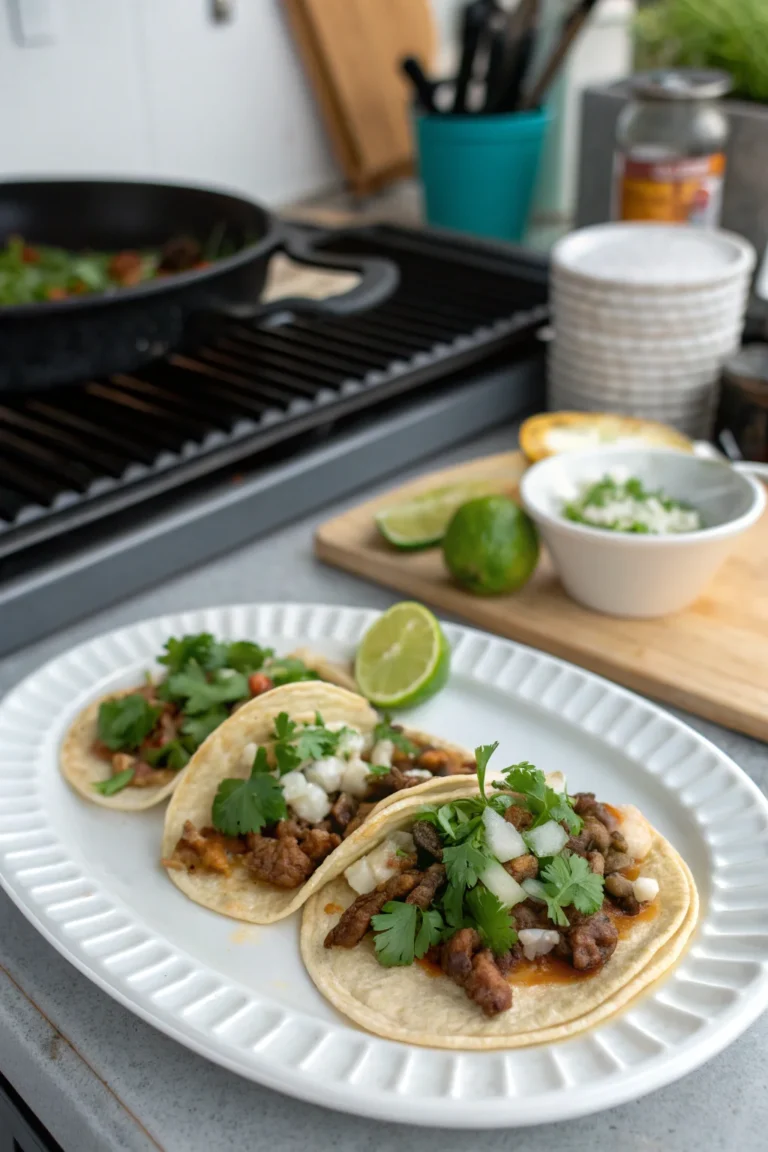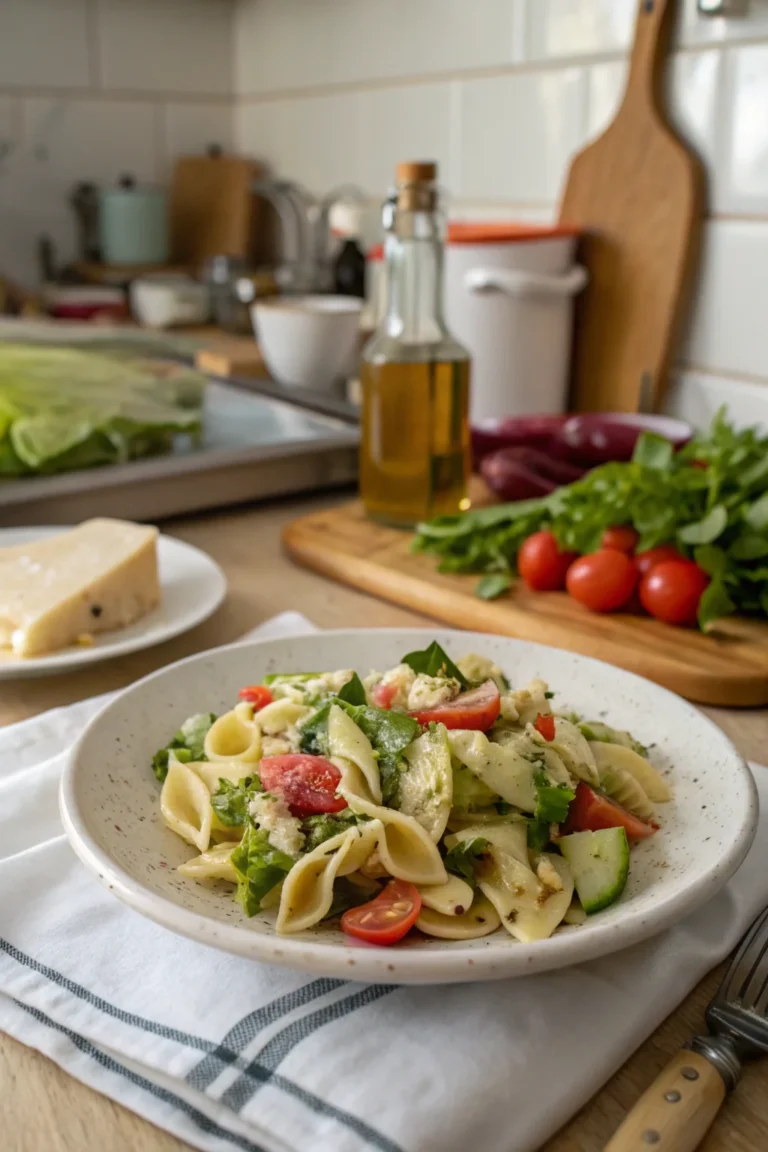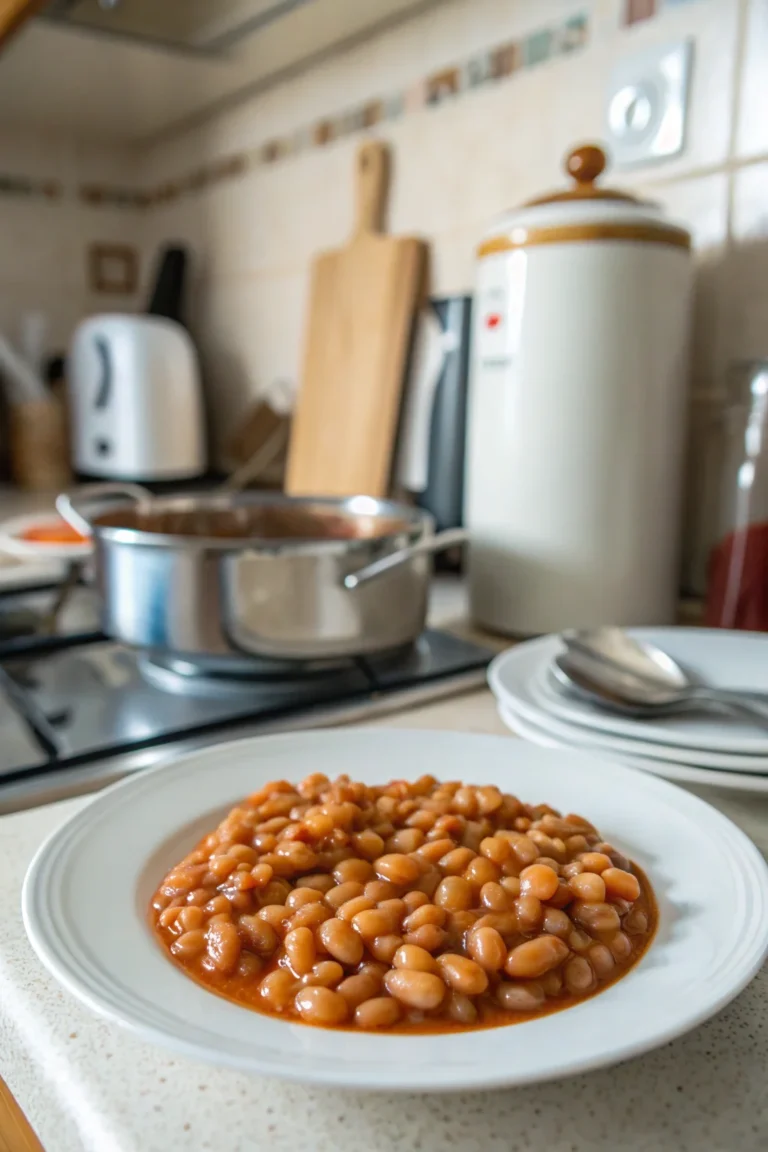
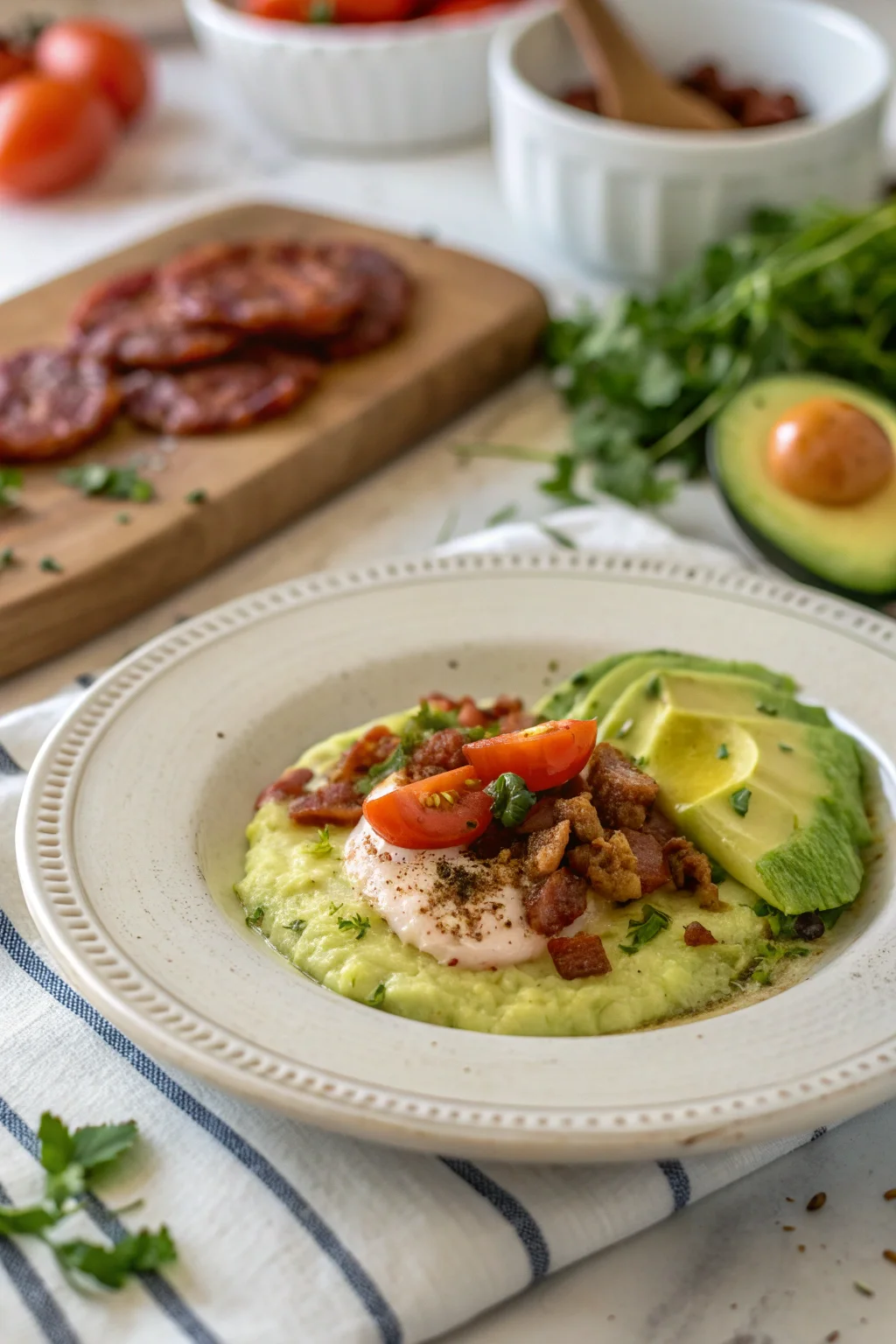
Starting a ketogenic diet can be a bit daunting, especially when trying to determine which foods are the best choices for maintaining ketosis. This guide will help you understand what low-carb options are available, focusing on zero and low-carb foods. Whether you’re new to keto or looking to refine your diet, this FAQ will provide clear answers to common questions about the lowest carb options for keto enthusiasts.
What Foods Have Zero Carbs?
While most foods contain some carbohydrates, certain options are essentially zero-carb. These include:
Meat and Poultry: Beef, chicken, turkey, and pork are naturally low in carbs. When choosing meats, opt for grass-fed beef or free-range poultry if possible. These options not only support ethical farming but also often contain higher levels of omega-3 fatty acids, contributing to a healthier fat profile. Remember, when cooking meats, avoid coatings or sauces that may add unwanted carbs. Simple preparations like grilling, roasting, or sautéing with olive oil are ideal.
Fish and Seafood: Salmon, tuna, and shrimp contain minimal carbs. These provide an excellent source of protein and are rich in omega-3 fatty acids, which have been linked to numerous health benefits, including improved heart health and reduced inflammation. For a flavorful and low-carb meal, try marinating salmon with herbs and lemon before baking, or enjoy shrimp in a garlic butter sauce.
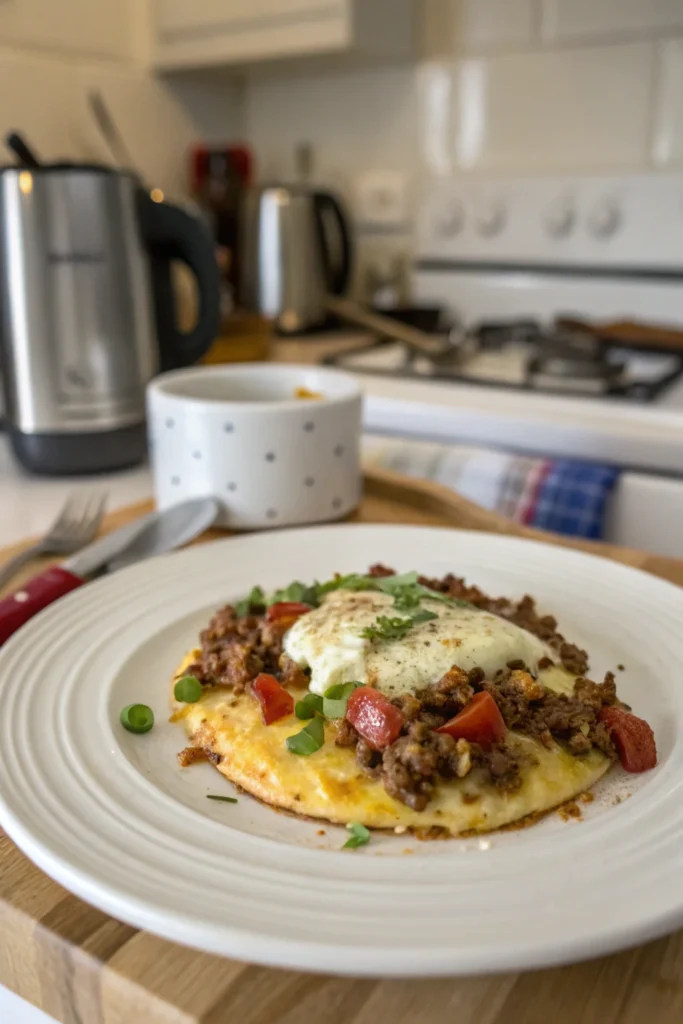
Eggs: A versatile zero-carb food perfect for any meal. Eggs are not only a powerhouse of protein but also contain essential nutrients like choline and vitamins D and B12. They can be prepared in numerous ways—boiled, scrambled, poached, or made into an omelet with a handful of leafy greens for added nutrients.
These foods are excellent choices for maintaining ketosis, as they can help keep your carb intake low. Always check for added ingredients in processed meats that might contain carbs. For more ideas,
Are There Any Vegetables with Zero Carbs?
Most vegetables contain some carbohydrates, but a few are extremely low in carbs:
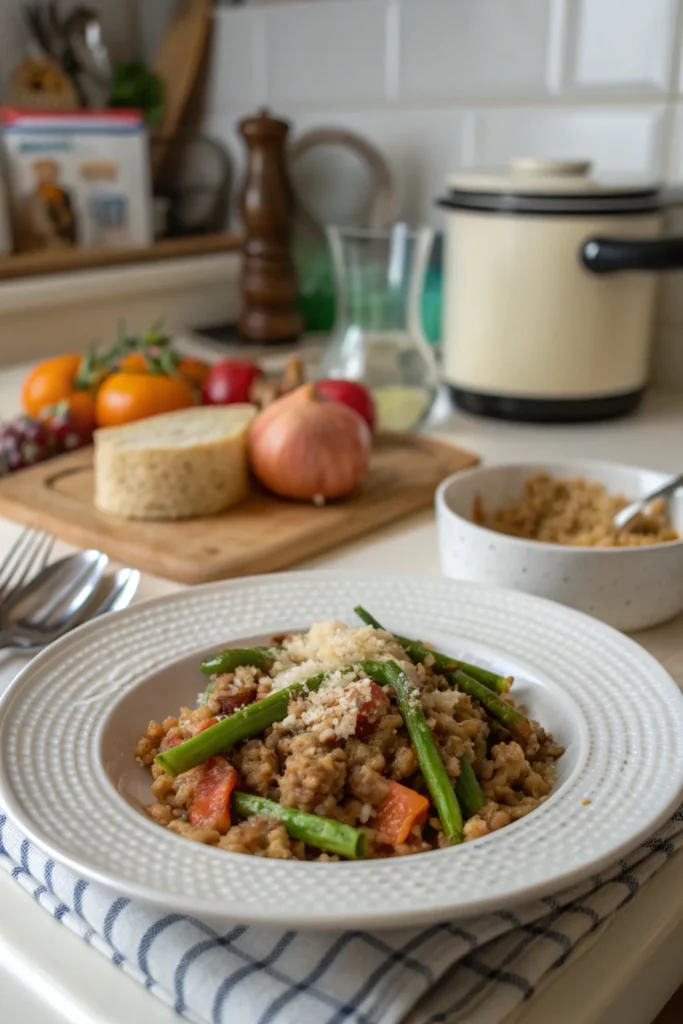
Leafy Greens: Spinach, lettuce, and arugula have minimal carbs. These vegetables can be used as a base for salads, added to smoothies, or sautéed as a side dish. They are rich in vitamins A, C, and K, along with minerals such as iron and calcium, making them a nutrient-dense addition to your meals.
Cucumber: Contains very few carbs and is refreshing. Cucumbers are perfect for snacking, adding to salads, or making into pickles. They are high in water content, which can help with hydration and provide a satisfying crunch.
Celery: Crunchy and nearly carb-free. Celery sticks can be paired with almond butter or cream cheese for a simple snack. They are a good source of antioxidants and have an anti-inflammatory effect.
These veggies are great for adding volume and nutrients to your diet without significantly increasing your carb count. For more keto-friendly veggies.
What Are the Best Low-Carb Fruits for Keto?
Fruits typically contain more carbs, but some options are lower than others:
Berries: Strawberries, raspberries, and blackberries are the best choices. These berries are not only low in carbs compared to other fruits but also packed with antioxidants and fiber, which are beneficial for gut health. They can be enjoyed fresh, added to a keto-friendly yogurt, or blended into a smoothie.
Avocado: Although technically a fruit, it’s low in carbs and high in healthy fats. Avocados are incredibly versatile. They can be sliced onto salads, mashed into guacamole, or simply eaten with a sprinkle of salt and pepper.
Olives: Another fruit option that’s low in carbs and can be a tasty snack. They are rich in healthy monounsaturated fats and can be enjoyed as a snack, added to salads, or incorporated into Mediterranean dishes.
These fruits can be enjoyed in moderation without kicking you out of ketosis. Remember to monitor portion sizes to keep your carb intake in check.
Can Dairy Be Low-Carb?
Yes, many dairy products are low in carbohydrates:
Cheese: Most cheeses are low in carbs, including cheddar, mozzarella, and cream cheese. Cheese can be a versatile ingredient, used in everything from omelets to casseroles. They provide a good amount of calcium and protein, making them a staple in many keto recipes.
Butter: Pure fat with virtually no carbs. It is ideal for sautéing vegetables, adding to sauces for richness, or simply spreading on keto bread. Choose grass-fed butter if available, as it contains higher levels of omega-3 fatty acids and vitamin K2.
Heavy Cream: Great for coffee and recipes, with minimal carbs. Heavy cream can be used to make sauces creamier, added to coffee for a rich texture, or whipped to serve with low-carb desserts.
Be cautious with milk, as it contains more carbs. Opt for unsweetened almond or coconut milk as alternatives, which provide a similar creamy texture without the carbs.
How Do Nuts and Seeds Fit into a Low-Carb Diet?
Nuts and seeds are generally low in carbs and high in healthy fats:
Almonds: A popular snack that’s low in carbs. Almonds are also high in vitamin E and magnesium. They can be enjoyed raw, roasted, or as almond butter. Remember to choose unsweetened and unsalted varieties for the best keto results.
Walnuts: Rich in omega-3s and low in carbs. Walnuts can be added to salads for a crunch, used in baking, or simply eaten as a snack. They are known for their heart-healthy benefits.
Chia Seeds: Low in carbs and high in fiber. Chia seeds can be used to make pudding, added to smoothies, or sprinkled on top of yogurt. They absorb liquid and expand, providing a filling texture to dishes.
These are excellent for snacking or adding to recipes. However, keep portions in check, as carbs can add up quickly. For example, while almonds are low in carbs, a large handful could still contribute a significant portion of your daily carb limit.
Is It Possible to Enjoy Snacks on a Low-Carb Diet?
Absolutely! Some keto-friendly snack ideas include:
Pork Rinds: Crunchy and zero-carb. They can be a great alternative to chips and can also be used as a coating for fried foods to add a crispy texture.
Cheese Crisps: A crunchy, cheesy snack with minimal carbs. These can be made at home by baking slices of cheese or purchased pre-made. They are perfect for dipping into guacamole or enjoying on their own.
Hard-Boiled Eggs: Easy to prepare and zero carbs. Hard-boiled eggs make a convenient snack that can be prepared in advance and stored in the fridge for quick access.
What Are the Best Beverages for a Keto Diet?
Staying hydrated is crucial on keto, and there are plenty of low-carb beverage options:
Water: Always carb-free and essential. Drinking enough water is vital, especially on a keto diet, as it helps prevent dehydration and supports metabolic processes.
Tea and Coffee: Enjoy black or with a splash of heavy cream. Herbal teas can also be a great option, as long as they are unsweetened. For coffee, consider adding a dash of cinnamon or a drop of vanilla extract for flavor without added carbs.
Sparkling Water: A fizzy option without carbs. Many brands offer flavored sparkling waters that are naturally essence-flavored without added sugars or sweeteners.
Avoid sugary drinks and opt for these keto-friendly choices instead. If you crave sweetness, consider using a keto-approved sweetener like stevia or erythritol.
Can You Eat Bread on a Keto Diet?
Traditional bread is high in carbs, but keto-friendly alternatives exist:
Almond Flour Bread: A low-carb substitute for regular bread. This bread is denser than traditional bread but provides a similar texture and can be used for sandwiches or toast.
Cloud Bread: Made with eggs and cream cheese, it’s a popular keto option. Cloud bread is light and airy, making it a suitable replacement for buns and sandwiches. It can be seasoned with herbs or spices for added flavor.
These alternatives provide the bread-like texture without the carbs. Experiment with different recipes to find your favorite. You can also find pre-made keto bread in some health food stores or online, which can be a convenient option.
Are Keto-Friendly Desserts Possible?
Yes, you can enjoy desserts on keto with the right ingredients:
Cheesecake: Made with almond flour crust and sugar-free sweeteners. Keto cheesecakes are rich and satisfying, often indistinguishable from their high-carb counterparts. They can be flavored with lemon, chocolate, or berries for variety.
Chocolate Mousse: Use cocoa powder and whipped cream for a low-carb treat. A quick and easy dessert that can be made more decadent with the addition of a sugar-free chocolate syrup or a sprinkle of nuts.
Using sugar substitutes like erythritol or stevia makes it easier to enjoy sweets without the carbs. Consider experimenting with different keto dessert recipes to satisfy your sweet tooth while staying on track.
How Does Alcohol Fit into a Low-Carb Diet?
Some alcoholic beverages can fit into a keto lifestyle:
Dry Wines: Typically lower in carbs, especially red wines. When choosing wine, opt for those labeled as “dry,” as they contain less residual sugar.
Spirits: Vodka, gin, and whiskey contain zero carbs. These can be consumed neat or mixed with soda water and a twist of lime or lemon for a refreshing drink.
Avoid sugary mixers and opt for soda water or enjoy straight for a lower-carb option. Be mindful of alcohol’s effects on the body while in ketosis, as it can affect your tolerance and lead to dehydration.
What Are Some Tips for Dining Out on Keto?
Eating out while staying keto can be simple with these tips:
Choose Grilled Meats: Opt for steak, chicken, or fish without breading. Request your meal to be cooked in butter or olive oil instead of sauces or marinades that may contain hidden sugars.
Skip the Bread: Ask for extra veggies or a side salad instead. Many restaurants are willing to accommodate substitutions for keto-friendly sides.
Sauces on the Side: Sauces can be high in carbs, so ask for them separately. This allows you to control the amount you consume or skip them entirely.
With these strategies, you can enjoy meals out without compromising your diet. Don’t hesitate to ask the waiter for modifications to suit your dietary needs.

How Can You Ensure You’re Staying in Ketosis?
To stay in ketosis, monitor your carb intake and consider:
Tracking Apps: Use apps to track your daily carb consumption. Apps like MyFitnessPal or Carb Manager can help you keep track of your macronutrients and ensure you stay within your carb limit.
Ketone Testing: Use strips or a meter to check ketone levels. Testing can provide feedback on how well your body is maintaining ketosis, especially when trying new foods or meal plans.
Consistency is key to maintaining ketosis. Learn more about keto tracking methods. Adjust your intake based on your progress and how your body responds.
Conclusion
Adopting a keto lifestyle involves understanding which foods are low or zero-carb. By focusing on meats, seafood, dairy, nuts, and certain vegetables, you can maintain ketosis effectively. Remember to check nutrition labels and experiment with recipes to find what works best for you. For further reading, consider resources from Healthline or Diet Doctor.
This comprehensive guide should equip you with the knowledge to make informed choices on your keto journey. Enjoy your delicious, low-carb lifestyle!