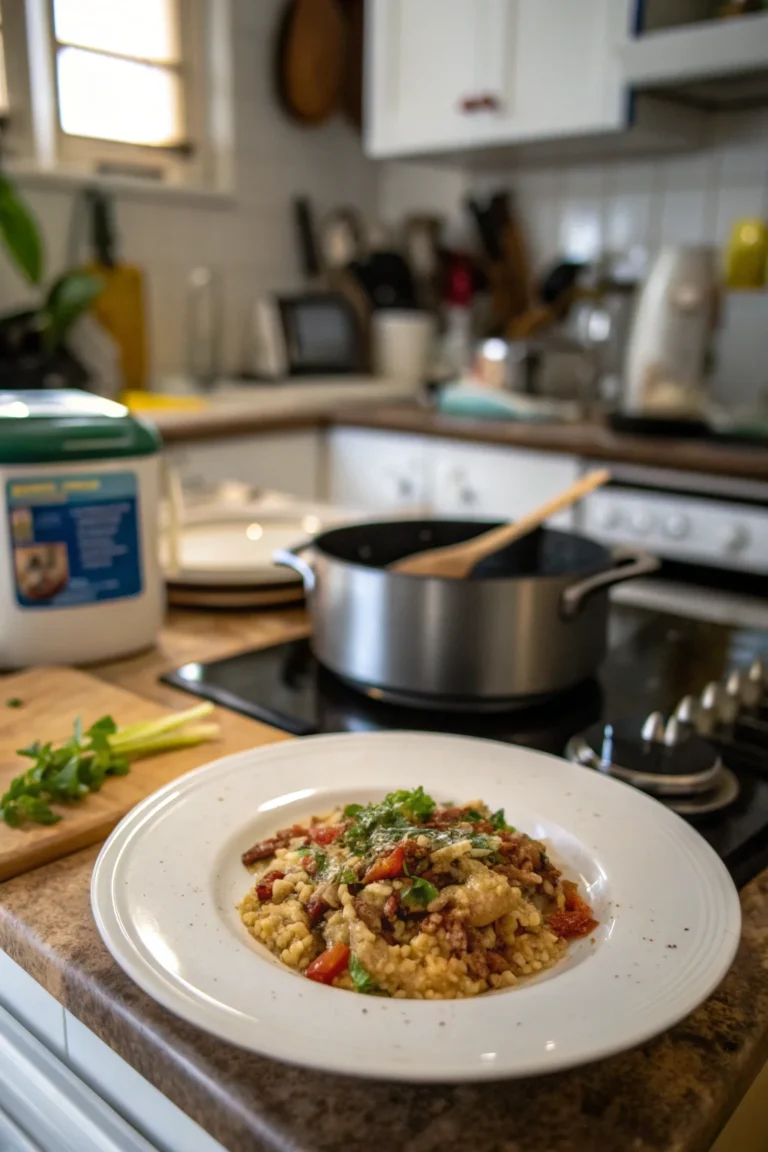
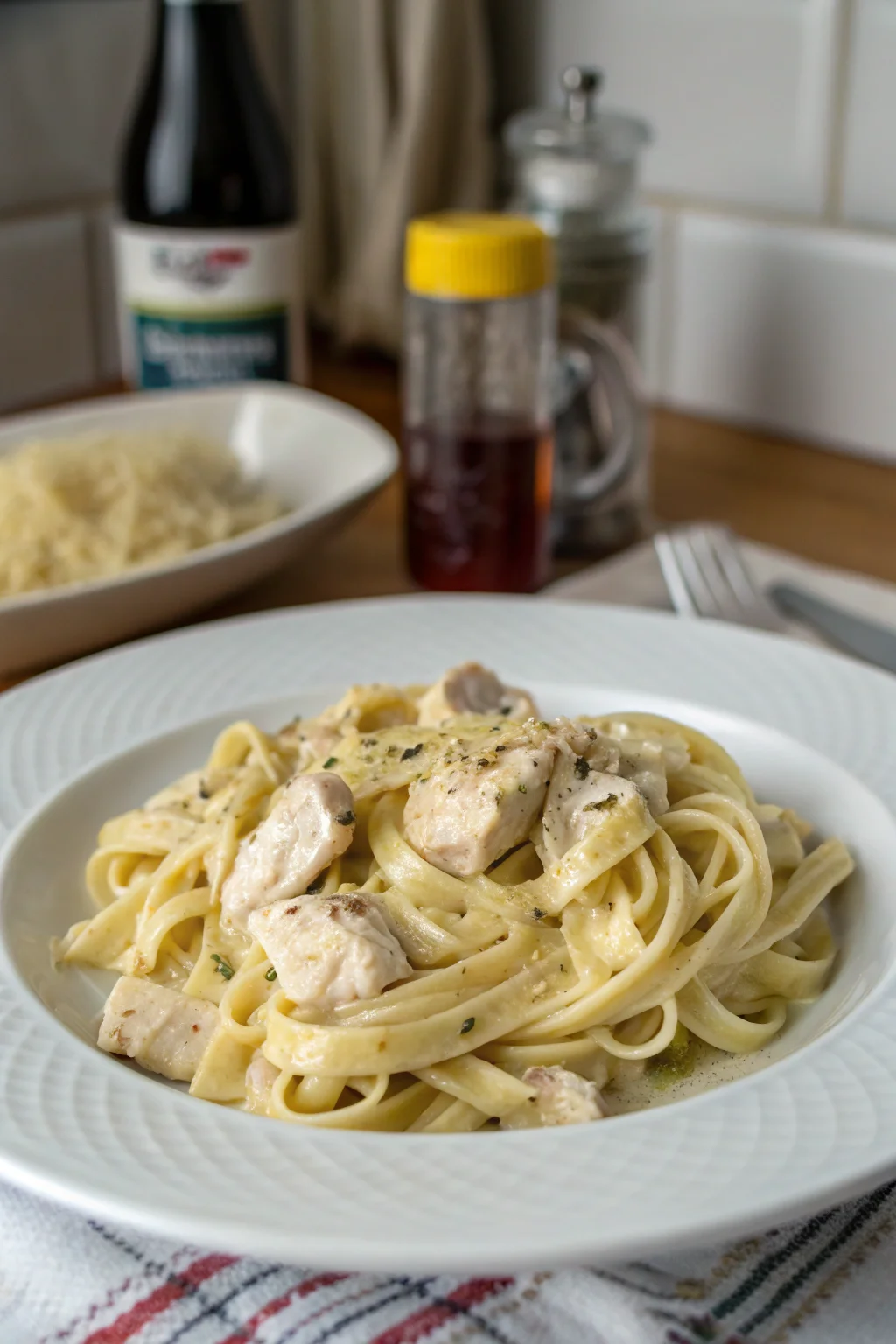
Chicken Alfredo is a beloved classic, but sometimes you want to elevate the dish beyond the basic recipe. Whether you’re cooking for family or hosting a dinner party, enhancing the flavors in your Chicken Alfredo can make it a memorable meal. Here, we answer some common questions on how to make your Chicken Alfredo taste better with simple, effective tips.
What Ingredients Can Enhance the Flavor of Chicken Alfredo?
Adding a few extra ingredients can significantly enhance your Chicken Alfredo:
Herbs and Spices: Fresh basil, parsley, or a pinch of nutmeg can add depth. Basil provides a sweet, aromatic taste, while parsley offers a fresh, slightly peppery flavor. Nutmeg, when used sparingly, can add a warm, nutty undertone that complements the creaminess of the Alfredo sauce. Consider trying a small amount of red pepper flakes for a touch of heat, or Italian seasoning for a more complex flavor profile.
Garlic: Sauté minced garlic for a more robust flavor. Garlic is a fundamental ingredient in many Italian dishes. By sautéing it in olive oil or butter before adding it to the sauce, you release its natural oils, creating a deep, savory aroma. For those who love garlic, consider roasting a whole head of garlic until it’s soft and then squeezing the sweet, caramelized cloves into your sauce.
Lemon Zest: A touch of lemon zest can brighten the dish. The zest contains essential oils that burst with flavor, adding a fresh note that cuts through the richness of the sauce. Be careful to only use the outermost yellow part of the lemon skin, avoiding the white pith which can be bitter.
Mushrooms: Sautéed mushrooms add an earthy flavor. Choose varieties like cremini, shiitake, or portobello for their robust flavors. Sauté them in butter or olive oil until they are golden and caramelized to bring out their natural umami, which enhances the savory profile of your dish.
Experimenting with these additions can transform your dish without overpowering it. Start with small amounts and adjust to taste, remembering that each ingredient should complement rather than overshadow the others.
How Can Cheese Improve Chicken Alfredo?
Cheese is a key ingredient in Alfredo sauce, and using the right types can enhance its creaminess and flavor:
Parmesan: Use freshly grated Parmesan for the best texture. Freshly grating your Parmesan ensures that you get the fullest flavor and the smoothest melting properties. The pre-grated variety often contains anti-caking agents that can make the sauce gritty.
Fontina or Asiago: These cheeses add a creamy texture and nutty flavor. Fontina is particularly known for its meltability, which contributes to a silky sauce. Asiago, with its sharper, more pronounced flavor, can add a beautiful bite to the dish.
Cheese Blend: A mix of cheeses can provide a richer taste. Combining cheeses like mozzarella for its meltability, with the robust flavors of Parmesan and Asiago, can create a more complex and luxurious sauce.
Avoid pre-grated cheese, as it often contains anti-caking agents that can affect the sauce’s consistency. When grating cheese, use a microplane or a fine grater to ensure it incorporates smoothly into the sauce.
Should I Marinate the Chicken Before Cooking?
Marinating the chicken can infuse it with flavor and keep it moist:
Simple Marinade: Use olive oil, garlic, lemon juice, salt, and pepper. This combination not only tenderizes the meat but also infuses it with subtle flavors that enhance the overall dish. For additional flavor, consider adding herbs like thyme or rosemary, or even a splash of white wine or vinegar for acidity.
Marination Time: Marinate for at least 30 minutes, but not more than 4 hours. Marinating too long can break down the proteins excessively, leading to a mushy texture. If you’re short on time, even a 15-minute marinade can impart noticeable flavor.
Marinating enhances the taste of the chicken, making it stand out in the dish. If you prefer a more pronounced flavor, try a yogurt-based marinade, which not only adds tanginess but also helps tenderize the chicken further due to its lactic acid content.
What Cooking Techniques Can Improve the Sauce?
The way you cook the sauce can greatly affect its taste:
Low Heat: Cook the sauce on low heat to prevent it from separating. High heat can cause the fats in the cream and cheese to break apart, resulting in a greasy sauce. Gently warming the ingredients allows them to meld together smoothly.
Whisk Constantly: Stir continuously to ensure a smooth texture. A constant whisking motion helps to evenly distribute heat and ingredients, preventing clumping and ensuring a uniform sauce.
Simmer: Allow the sauce to simmer gently to develop flavors. This slow cooking process helps the flavors meld together and enhances the overall taste. Avoid boiling, which can cause the sauce to thicken too much or curdle.
These techniques help in achieving a creamy and silky sauce. A trick to enhance the sauce further is to finish it with a small amount of butter, which adds gloss and richness.
Can Adding Vegetables Make a Difference?
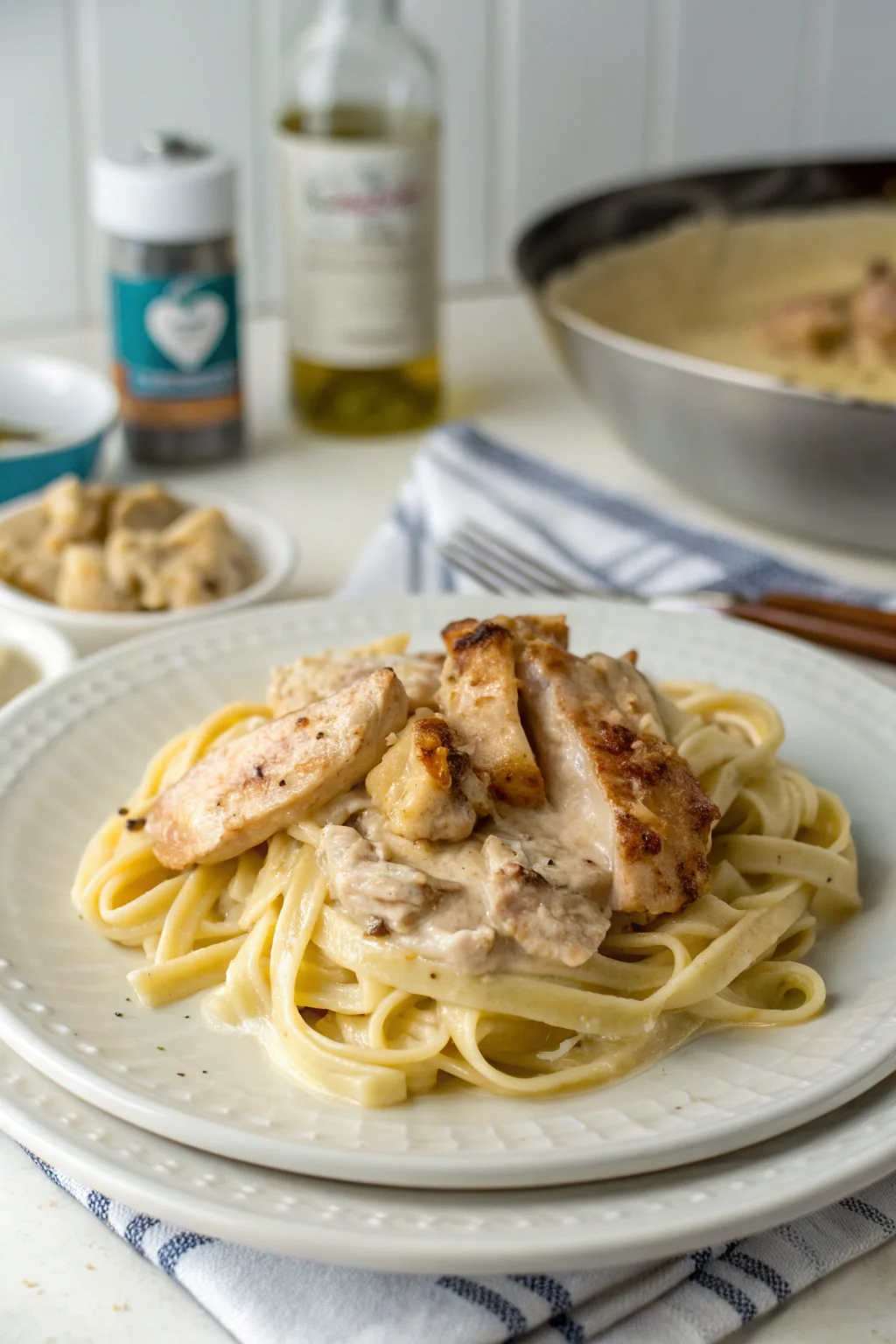
Incorporating vegetables not only adds nutrition but also enhances flavor:
Spinach: Fresh spinach adds color and a mild flavor. It wilts quickly and can be stirred into the sauce just before serving. For a more intense flavor, try sautéing the spinach with garlic before adding it to the sauce.
Broccoli: Provides texture and a slight crunch. Blanch the broccoli in salted water for a few minutes before adding it to your dish to preserve its bright green color and crispiness.
Sun-dried Tomatoes: Introduce acidity and sweetness. These are excellent for adding a punch of flavor. Rehydrate them in warm water or white wine before chopping and adding to the sauce for a softer texture.
Adding vegetables can create a more balanced and flavorful dish. Consider also using bell peppers or asparagus for additional flavor and texture variety.
How Does Cooking the Pasta Affect the Dish?
Properly cooked pasta is crucial for a successful Chicken Alfredo:
Al Dente: Cook pasta until just firm to bite for the best texture. Al dente pasta holds up better in the sauce and provides a pleasant chewiness that contrasts nicely with the creamy Alfredo.
Reserve Pasta Water: Use it to thin the sauce if needed. The starchy water helps the sauce adhere to the pasta, creating a cohesive dish. Start with a small amount and add gradually until you reach the desired consistency.
Al dente pasta holds the sauce better and maintains its shape. Make sure to salt your pasta water generously, as it’s the only chance to season the pasta itself.
What Oils or Fats Work Best for Cooking Chicken?
Choosing the right fat can enhance the chicken’s flavor:
Olive Oil: Adds a subtle fruitiness. It’s versatile, and when used to sauté the chicken, it imparts a mild flavor that complements the dish without overpowering it.
Butter: Provides richness and depth. It browns the chicken beautifully, adding a nutty aroma and a golden crust.
Using a combination of both can give your dish a well-rounded taste. Start by searing the chicken in olive oil for a higher smoke point, then add butter towards the end for flavor.
How Can I Make the Dish More Creamy?
To increase creaminess without altering the flavor too much:
Heavy Cream: Use it instead of milk for a richer sauce. Heavy cream offers a higher fat content, which results in a thicker, more luxurious sauce.
Cream Cheese: A small amount can thicken and add creaminess. It melts into the sauce, enriching its texture without dominating the flavor.
These additions ensure a luscious texture without overpowering other flavors. For those who enjoy a very rich sauce, consider adding a dollop of mascarpone cheese, which melts smoothly and enhances creaminess.
What Types of Pasta Pair Well with Chicken Alfredo?
While fettuccine is traditional, other pasta types can work:
Pappardelle: Its width holds the sauce well. This broad, flat pasta offers a similar texture to fettuccine but with a bit more heft, making it ideal for holding onto thick, creamy sauces.
Penne: Offers a different texture and holds sauce in its grooves. The tubular shape allows the sauce to fill the inside, ensuring each bite is flavorful.
Experiment with pasta shapes to find your preferred combination. Tagliatelle and linguine are also excellent options if you prefer a narrower pasta that still holds the sauce well.
Should I Add Wine to the Sauce?
Wine can add complexity to your sauce:
White Wine: A splash can enhance flavor without overpowering. Use a dry variety such as Sauvignon Blanc or Pinot Grigio. The acidity can help balance the richness of the cream.
Cooking Wine: Ensure it’s of good quality for the best results. Avoid wines labeled specifically as “cooking wine,” as they often contain added salt and preservatives.
Wine should be added early in the cooking process to allow the alcohol to evaporate, leaving behind a rich flavor. Allow it to reduce slightly before adding the cream to concentrate the flavors.
How Can I Balance the Flavors in the Dish?
Achieving the right balance ensures a harmonious dish:
Taste and Adjust: Regularly taste and tweak seasonings. This ensures you can adjust salt, pepper, or acidity to your liking throughout the cooking process.
Salt and Pepper: Essential for enhancing all flavors. Salt should be added gradually, as cheese and pasta water also contribute saltiness to the dish.
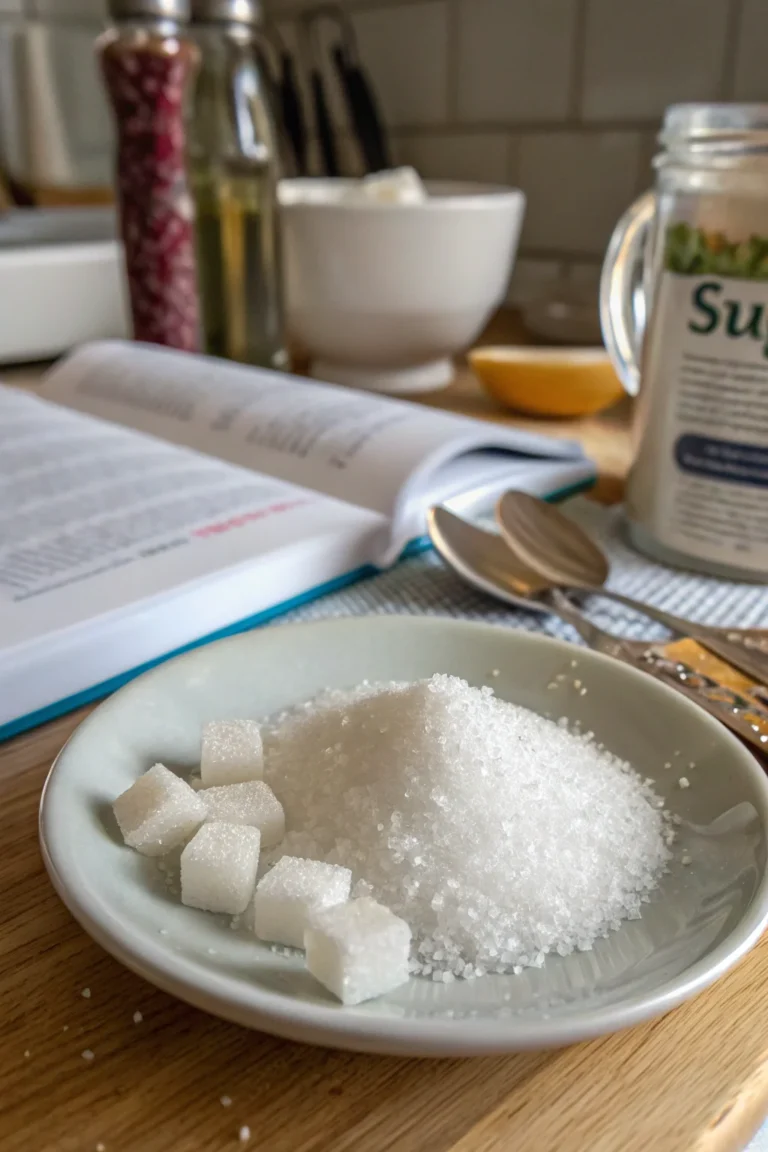
Balancing flavors ensures each ingredient shines through. Consider adding a splash of balsamic vinegar or a pinch of sugar if the sauce feels too rich or flat.
What Are Some Presentation Tips for Chicken Alfredo?
Presentation can enhance the dining experience:
Garnish: Use fresh herbs or grated cheese. A sprinkle of freshly grated Parmesan or a few basil leaves can add color and elegance.
Plate: Serve on warm plates to maintain temperature. Pre-warm plates in a low oven or hot water to keep the dish hot longer.
A well-presented dish is more appealing and can elevate the meal. Consider serving with a side of garlic bread or a light salad to complement the richness of the Alfredo.
Where Can I Find More Chicken Alfredo Recipes?
For more inspiration and variations, check out these resources:
Additionally, explore our own pasta recipes for more ideas. These resources offer a variety of takes on the classic dish, from simple weekday meals to gourmet versions perfect for entertaining.
Wrap-Up
Improving your Chicken Alfredo doesn’t require a complete makeover. By experimenting with new ingredients, tweaking cooking techniques, and balancing flavors, you can make a dish that stands out. Remember, the best dishes are those that reflect your personal taste and creativity. Enjoy your cooking journey!
For more tips on enhancing classic dishes, explore our cooking tips section. Whether you’re a seasoned chef or a home cook looking to expand your repertoire, there’s always something new to learn and try in the kitchen.