Turkeys are fascinating creatures, known for their unique behaviors and dietary needs. If you’re raising turkeys or simply curious about their feeding habits, you might wonder if they can eat scrambled eggs. This guide will explore whether scrambled eggs are safe and beneficial for turkeys, along with some best practices for feeding them.
Is It Safe for Turkeys to Eat Scrambled Eggs?
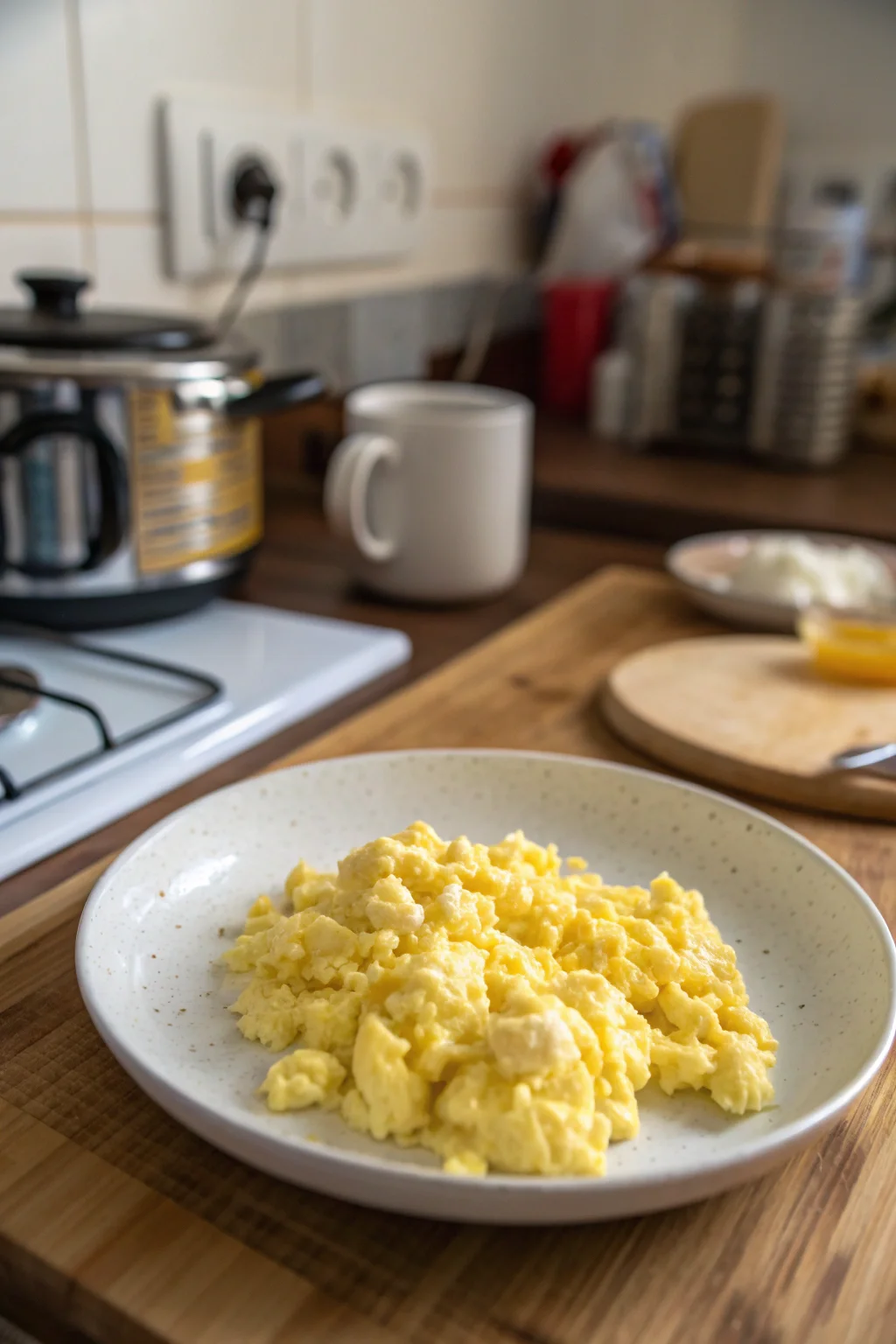
Yes, turkeys can safely eat scrambled eggs. Eggs are a good source of protein and other nutrients that can benefit turkeys, especially growing poults. When offering scrambled eggs, ensure they are cooked without salt, butter, or any seasonings. These additives can harm turkeys. It’s important to remember that eggs should be part of a varied diet.
Proteins in scrambled eggs provide essential amino acids that are crucial for the development of muscles and tissues in turkeys. Also, the cooking process neutralizes compounds that could otherwise interfere with digestion. Always serve eggs plain to avoid adverse health effects associated with human seasonings.
Additionally, providing eggs in a controlled manner helps prevent any potential issues related to overconsumption. Turkeys have specific dietary requirements that need to be met for optimal health, and scrambled eggs can be a beneficial component of their diet when offered correctly.
What Nutrients Do Scrambled Eggs Provide for Turkeys?
Scrambled eggs are rich in protein, which is vital for turkeys, particularly during their growth phases. Eggs also provide:
- Vitamins: Such as Vitamin A, D, and several B vitamins. Vitamin A is crucial for maintaining vision and immune health, while Vitamin D aids in the absorption of calcium and phosphorus, important for bone strength. B vitamins support energy metabolism and red blood cell formation.
- Minerals: Including phosphorus and selenium. Phosphorus is essential for bone health and cellular repair, while selenium plays a role in antioxidant defense and thyroid function.
- Healthy Fats: Essential for energy and development. The fats found in eggs help provide energy for daily activities and contribute to the absorption of fat-soluble vitamins.
These nutrients support healthy growth, feather development, and overall vitality. In particular, the protein content aids in feather regeneration, which is vital for turkeys as they molt and grow. During molting seasons, turkeys can experience increased nutritional demands, making the high-quality protein and other nutrients in eggs particularly beneficial.
How Should You Prepare Scrambled Eggs for Turkeys?
When preparing scrambled eggs for turkeys, follow these steps:
- Cook Without Additives: Avoid using salt, butter, oil, or spices. These can disrupt the digestive processes of turkeys and even lead to toxicity in high amounts.
- Tip: Use a non-stick pan or a small amount of water to prevent sticking without using oil. This method keeps the eggs healthy and easy to prepare.
- Cool Before Serving: Let the eggs cool down to prevent burns. Turkeys, like all birds, are susceptible to burns from hot food, which can cause stress and deter them from eating.
- Example: After cooking, spread the scrambled eggs on a plate to help them cool faster.
- Chop into Small Pieces: This makes it easier for turkeys to eat and digest. Small pieces prevent choking hazards and ensure that even younger birds can consume the eggs safely.
- Example: Use a fork or a knife to cut the eggs into bite-sized pieces suitable for your turkeys’ size.
These steps ensure the eggs are safe and easy for your turkeys to consume. It’s also advisable to serve the eggs in a clean, shallow dish to encourage easy access and minimize waste. Consider using a dedicated dish for treats to keep their feeding area organized and hygienic.
How Often Can Turkeys Eat Scrambled Eggs?
Scrambled eggs should be given as an occasional treat rather than a regular part of their diet. Offering eggs once or twice a week is sufficient. Over-reliance on eggs can lead to an imbalance in their diet. A steady diet of varied grains, fruits, and vegetables is necessary to meet their dietary needs fully.
The key is moderation. While eggs are nutritious, they should not overshadow the main dietary components such as high-quality commercial feed designed to provide comprehensive nutrition. This balance helps maintain optimal health and productivity in turkeys. An occasional treat like scrambled eggs can enhance their diet without disrupting their nutritional balance.
Can Baby Turkeys (Poults) Eat Scrambled Eggs?
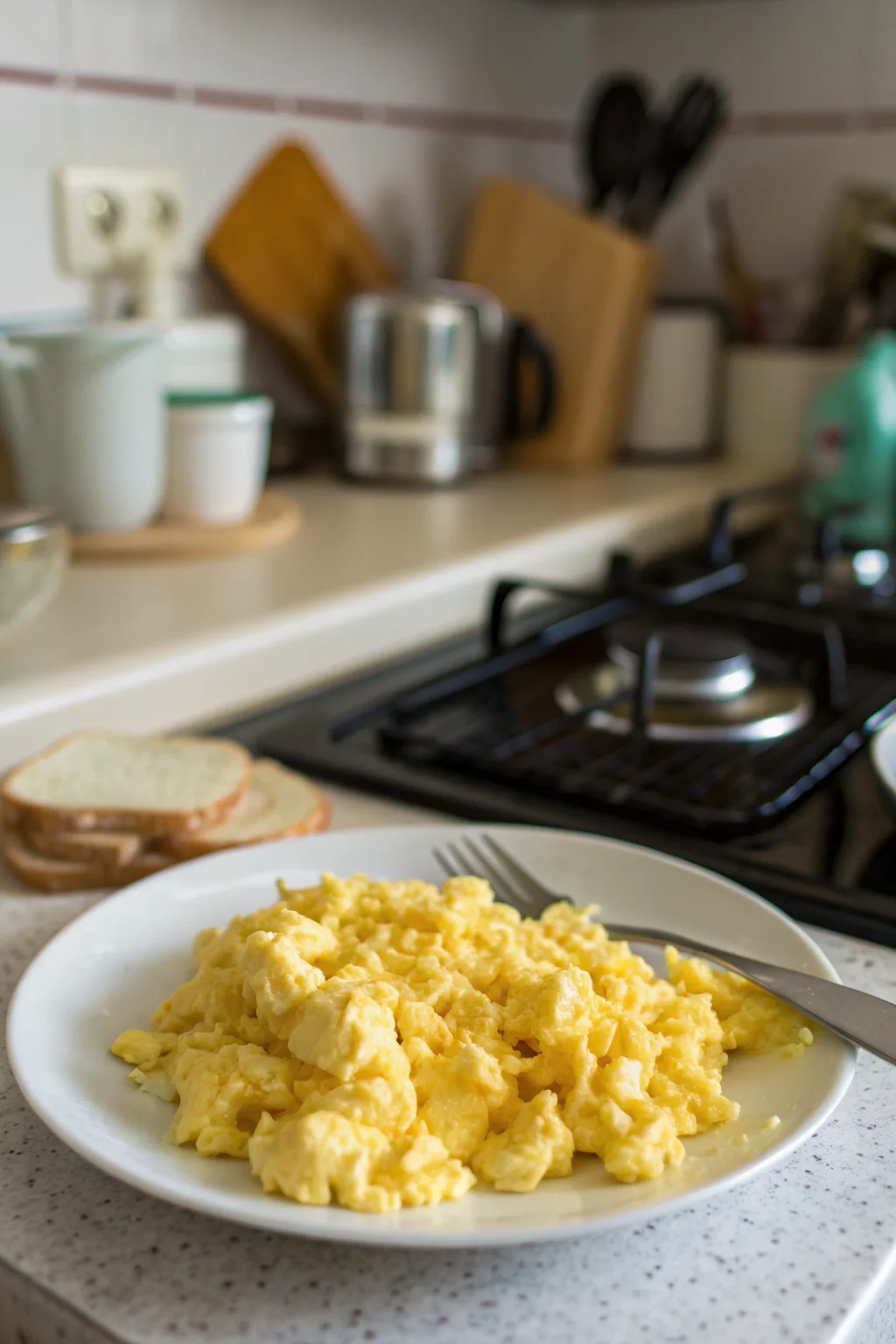
Yes, poults can eat scrambled eggs. They are particularly beneficial for young turkeys due to their protein content, which aids in rapid growth and development. Ensure the eggs are well-cooked and chopped into tiny pieces to prevent choking.
For poults, the additional protein can significantly enhance growth rates and support immune system development. Introducing them to scrambled eggs early on can also help diversify their palate, making it easier to introduce other healthy food options as they mature.
- Practical Tip: Start by offering small, frequent servings to gauge their interest and tolerance. Observing their response can help you tailor their diet as they grow.
Are There Any Risks Associated with Feeding Turkeys Scrambled Eggs?
Feeding scrambled eggs to turkeys is generally safe, but consider these precautions:
Avoid Overfeeding: Too many eggs can lead to dietary imbalances. An excess of protein can lead to kidney strain and other health issues.
Example: Balance egg servings with a variety of foods like grains and vegetables to ensure a complete diet.
Monitor for Allergies: Uncommon but possible, watch for any adverse reactions such as changes in behavior or physical symptoms like diarrhea or lethargy.
Advice: Introduce scrambled eggs gradually and in small amounts to monitor for any allergic reactions.
Hygiene: Ensure eggs are fresh and cooked properly to avoid bacterial contamination. Freshness is crucial as eggs can harbor bacteria like salmonella if improperly handled.
Tip: Store eggs in a cool place and use them before their expiration date to ensure freshness.
These risks are minimal but worth considering to ensure your turkeys’ health. Regularly observe your turkeys after introducing new foods to quickly catch any adverse reactions. Maintaining a balanced diet and paying attention to your turkeys’ behavior can help prevent potential issues.
Can Turkeys Eat Raw Eggs?
It’s not recommended to feed raw eggs to turkeys. Raw eggs pose a risk of salmonella, which can be harmful to turkeys. Cooking the eggs eliminates this risk and provides a safer, more nutritious option.
Moreover, consuming raw eggs can lead to biotin deficiency due to the presence of avidin in raw egg whites, which inhibits biotin absorption. Cooking eggs denatures avidin, preventing this issue and ensuring that your turkeys receive the full nutritional benefit.
- Helpful Hint: Always prioritize cooking eggs to maintain the health and safety of your turkeys, ensuring they receive the intended nutritional benefits without the associated risks.
What Other Foods Are Safe for Turkeys?
Aside from scrambled eggs, turkeys can safely eat:
Fruits: Apples, berries, and grapes. These provide fiber and vitamins, though they should be given in moderation due to their sugar content.
Serving Suggestion: Chop fruits into small pieces to make them easier for turkeys to eat and digest.
Vegetables: Spinach, cabbage, and carrots. Vegetables are excellent for providing vitamins, minerals, and fiber.
Tip: Offer a mix of raw and cooked vegetables to add variety and ensure nutrient availability.
Grains: Corn, oats, and barley. Grains are a fundamental energy source and should be a staple in their diet.
Advice: Mix grains with vegetables for a balanced meal that covers various nutritional needs.
Always introduce new foods gradually and in moderation. For more on turkey diets, check out our guide on Feeding Turkeys Safely and Effectively.
Are There Foods Turkeys Should Avoid?
Yes, turkeys should avoid:
Avocado: Contains persin, toxic to birds. Even small amounts can cause illness.
Warning: Keep avocados and any dishes containing them out of reach from your turkeys.
Chocolate: Dangerous due to theobromine content, which is toxic to many animals, including birds.
Caution: Ensure that any dessert or food items with chocolate are securely stored to prevent accidental consumption.
Onions and Garlic: Can harm red blood cells, leading to anemia and other health problems.
Precaution: Avoid using these ingredients in any homemade treats for your turkeys.
For a comprehensive list of harmful foods, see our article on Foods to Avoid for Poultry.
How Do Scrambled Eggs Compare to Commercial Turkey Feed?
Scrambled eggs can complement commercial turkey feed but should not replace it. Commercial feeds are formulated to provide complete nutrition for turkeys. Scrambled eggs are a nutritious treat, providing additional protein and vitamins.
Commercial feeds include a balanced mix of proteins, carbohydrates, vitamins, and minerals tailored to different growth stages. Scrambled eggs serve as an excellent supplement, particularly during periods of stress or molting when additional nutrients can aid recovery and growth.
- Insight: A diverse diet that includes both commercial feed and occasional treats like scrambled eggs can ensure your turkeys are receiving comprehensive nutrition.
Can Ducks and Chickens Also Eat Scrambled Eggs?
Yes, ducks and chickens can enjoy scrambled eggs just like turkeys. Eggs are a nutritious treat for many poultry types, offering essential nutrients that support health and productivity.
For chickens, the added protein can enhance egg production and quality, while ducks benefit from the energy-rich fats and essential vitamins. As with turkeys, eggs should be offered in moderation to these birds.
- Tip: Observe each type of bird to ensure they enjoy and can safely consume scrambled eggs without any adverse effects.
What Are the Benefits of Including Scrambled Eggs in a Turkey’s Diet?
Including scrambled eggs in a turkey’s diet can:
Enhance Growth: The protein aids in muscle and feather development, crucial for both young and mature turkeys.
Example: During molting, the additional protein helps turkeys regenerate feathers more efficiently.
Boost Energy: The fats provide a good energy source, especially beneficial during colder months or breeding seasons.
Benefit: Turkeys require extra energy in winter to maintain body heat, making nutrient-rich foods like scrambled eggs particularly advantageous.
Improve Egg Production: For laying hens, the extra nutrients can boost egg quality. A well-nourished laying hen will produce eggs with stronger shells and better yolk quality.
Impact: Enhanced egg quality can lead to better hatch rates and healthier poults.
These benefits make scrambled eggs a valuable addition to a turkey’s diet, particularly when balanced with other dietary components.
How Can You Tell If Your Turkey Enjoys Scrambled Eggs?
Observe your turkey’s behavior when you introduce scrambled eggs. Signs of enjoyment include:
Eager Eating: Approaching and consuming eggs quickly. This indicates that they find the eggs palatable.
Observation: If turkeys consistently consume scrambled eggs eagerly, it suggests they enjoy this treat.
Healthy Appearance: Bright eyes, smooth feathers, and active behavior are signs of overall well-being, potentially enhanced by a varied and nutritious diet.
Monitoring: Track changes in your turkeys’ health and appearance after introducing scrambled eggs to ensure they continue to thrive.
If your turkeys seem indifferent, they may simply need more time to adjust. Alternatively, they might prefer their eggs mixed with other foods they already enjoy, which can encourage them to try the eggs.
Conclusion
Incorporating scrambled eggs into your turkey’s diet can be a healthy, rewarding practice when done correctly. Remember to prepare them safely and offer them as part of a balanced diet. By following these guidelines, you can ensure your turkeys remain healthy and happy. For more insights into turkey care, consider visiting University of Kentucky’s Poultry Extension or Backyard Poultry Magazine.