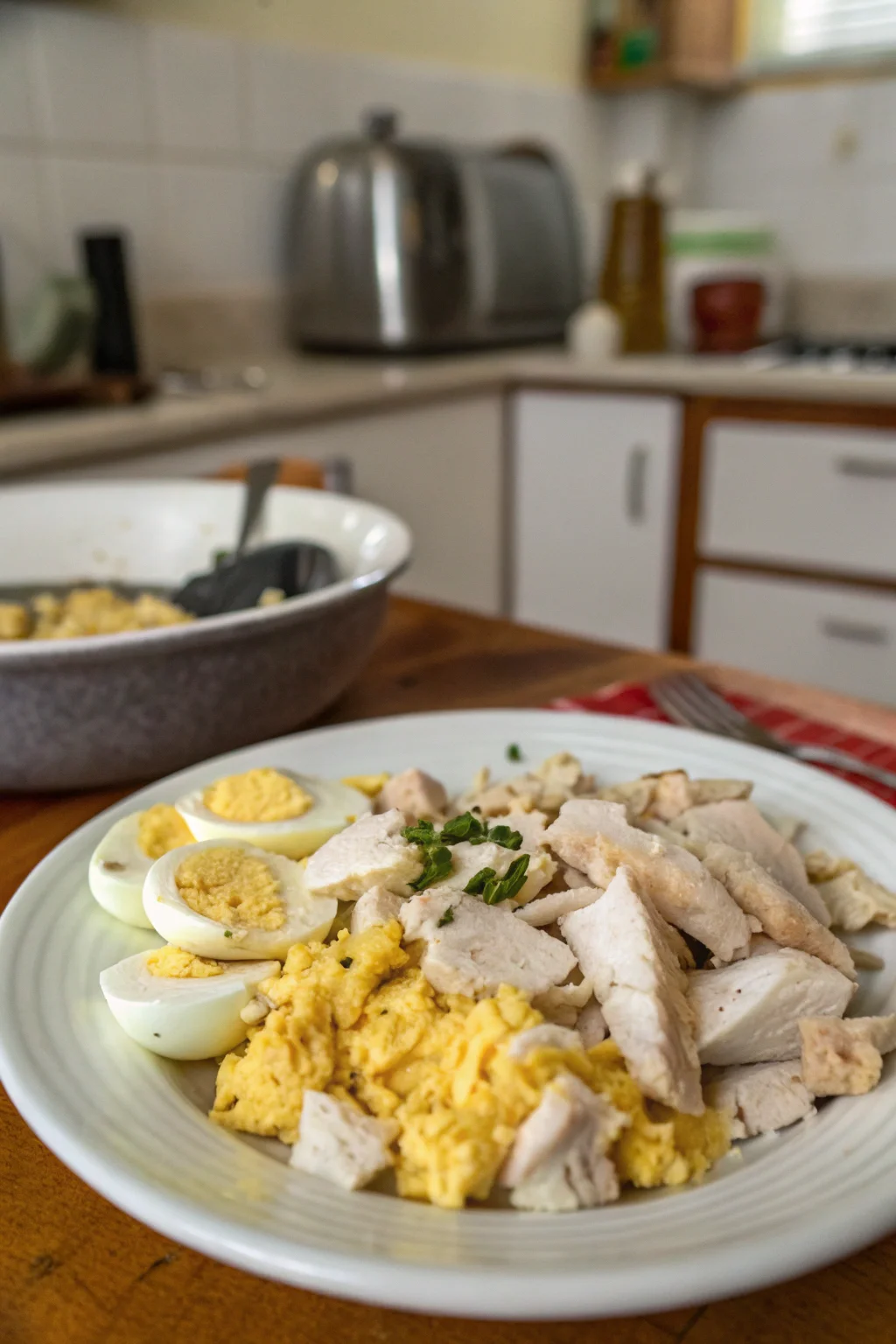
Combining eggs and turkey in your meals can be both delicious and nutritious. These ingredients can complement each other beautifully in a variety of dishes, offering rich flavors and substantial health benefits. Whether you’re looking to incorporate more protein into your diet or simply seeking new recipe ideas, eggs and turkey can be a fantastic pairing.
What Are the Nutritional Benefits of Eating Eggs and Turkey Together?
Eggs and turkey are both excellent sources of protein, helping you maintain muscle mass and keep you feeling full longer. Eggs provide essential amino acids, vitamins like B12, and minerals such as selenium and choline. Turkey is rich in lean protein, B vitamins, and selenium, making it a heart-healthy choice.
- High Protein: Both eggs and turkey are packed with protein, aiding muscle repair and growth. For instance, a single egg contains about 6 grams of high-quality protein, while a 3-ounce serving of turkey can provide around 25 grams. This protein content is crucial for maintaining lean muscle mass and facilitating recovery after physical activity.
- Low in Calories: This combination is low in calories, making it ideal for weight management. For example, a large egg contains about 70 calories, and the same 3-ounce serving of turkey has approximately 125 calories. By incorporating these into your meals, you can enjoy substantial portions without exceeding your daily caloric needs.
- Rich in Vitamins: Eggs and turkey provide numerous vitamins and minerals essential for overall health, such as Vitamin D from eggs, which is vital for bone health and immune function, and Niacin and B6 from turkey, which support energy production and brain health.
For more insights into balanced breakfast options, check out our Healthy Breakfast Ideas.
Can Eating Eggs and Turkey Together Aid in Weight Loss?
Yes, incorporating eggs and turkey into your meals can support weight loss. Both foods are high in protein, which can increase satiety and reduce overall calorie intake. Protein-rich meals have been shown to boost metabolism and aid fat loss.
- Satiety: Protein helps you feel full, reducing the likelihood of overeating. This is because protein has a higher thermic effect compared to fats and carbohydrates, meaning it takes more energy to digest and metabolize. Including eggs and turkey in your meals can help prevent the mid-morning or mid-afternoon hunger pangs that often lead to unhealthy snacking.
- Metabolism Boost: High-protein diets can increase metabolic rate and promote fat oxidation. Studies have shown that increasing protein intake can lead to increased muscle mass, which in turn raises the resting metabolic rate. This means you burn more calories even when not active, aiding in weight maintenance and loss.
For more weight loss-friendly recipes, explore our Low-Calorie Meal Ideas.
Is It Safe to Eat Eggs and Turkey Together?
Absolutely, it is safe to eat eggs and turkey together as long as both are cooked properly. Ensure that turkey is cooked to an internal temperature of 165°F (74°C) to avoid any risk of foodborne illness. Eggs should be cooked thoroughly, especially if you’re concerned about salmonella.
- Proper Cooking: Cook turkey to at least 165°F (74°C) and ensure eggs are fully cooked. Use a meat thermometer to check the temperature of turkey, especially when dealing with larger cuts or whole birds. For eggs, cooking until the yolks and whites are firm ensures they have reached a safe temperature.
- Food Safety: Follow food safety guidelines to prevent cross-contamination. This includes using separate cutting boards and utensils for raw turkey and eggs, and washing hands thoroughly after handling raw ingredients.
For more on food safety, visit the CDC’s Guidelines on Safe Food Preparation.
What Are Some Popular Recipes Combining Eggs and Turkey?
There are numerous tasty recipes that combine eggs and turkey. Here are a few ideas to get you started:
- Turkey and Egg Breakfast Casserole: Layer turkey, vegetables, and eggs for a hearty breakfast. Consider adding spinach, bell peppers, and onions for extra flavor and nutrients. This casserole can be prepared the night before and baked in the morning for a convenient breakfast option.
- Turkey Omelette: Add turkey slices to your morning omelette for extra protein. You can also include cheese, tomatoes, and herbs for additional taste and texture. This is a quick meal that can be prepared in under 10 minutes, perfect for busy mornings.
- Egg and Turkey Wraps: Roll eggs and turkey in a tortilla for a quick, nutritious lunch. Add some avocado, lettuce, and a drizzle of your favorite sauce to enhance the flavor. These wraps can be made ahead and kept in the fridge, making them a great option for packed lunches.
For detailed recipes, explore our Breakfast and Brunch Recipes.
Are There Any Cultural Dishes Featuring Eggs and Turkey?
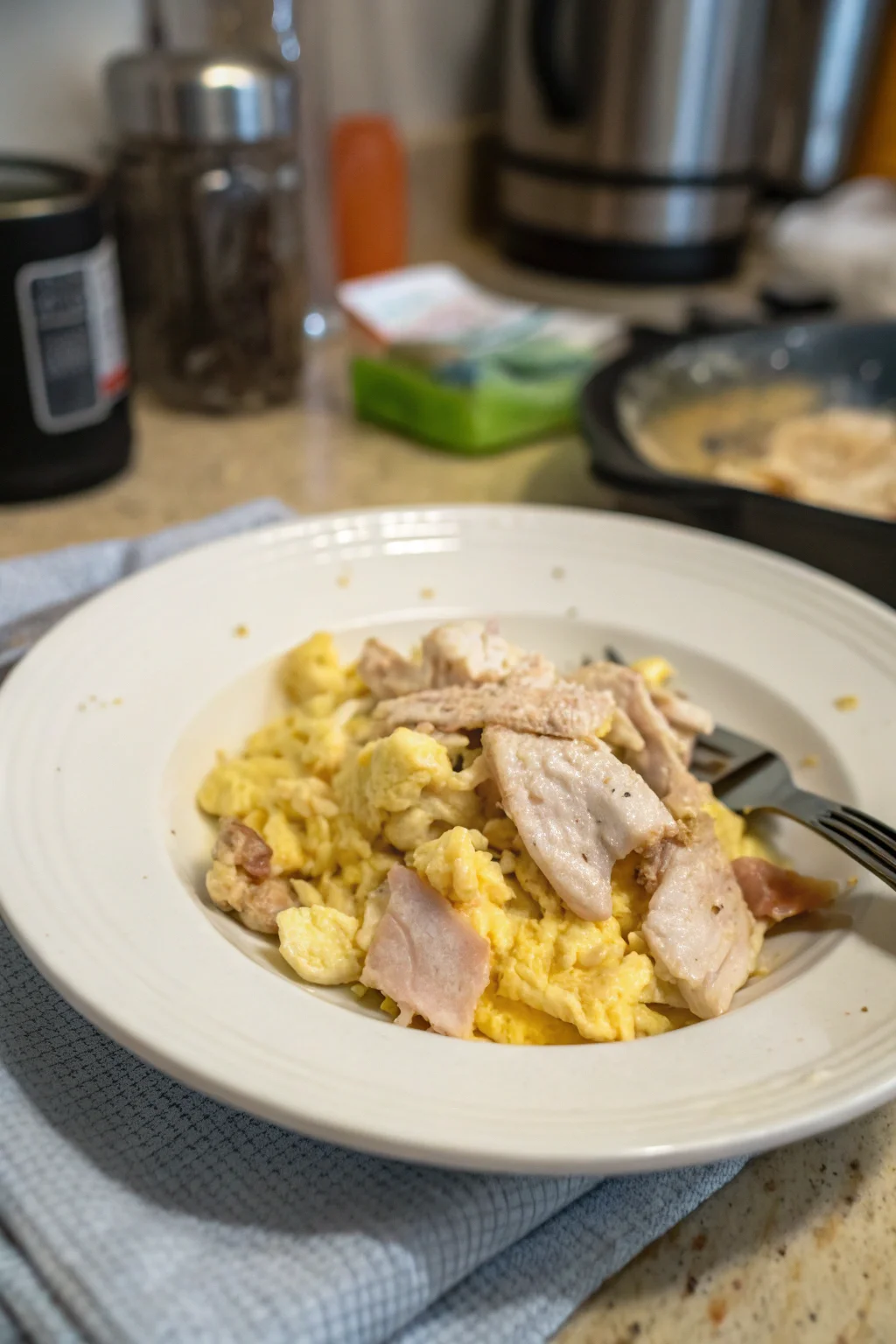
While not traditionally paired in many cultural cuisines, modern fusion dishes often feature eggs and turkey. In Western cuisine, turkey and eggs are popular in breakfast dishes like scrambles or casseroles. You might also find them in international-inspired wraps or stir-fries.
- Western Breakfasts: Turkey and egg scrambles or casseroles are staples in many American households, offering a quick and nutritious start to the day. These dishes can be customized with different vegetables and cheeses to suit personal tastes.
- Fusion Wraps: Incorporate turkey and eggs in international-style wraps, such as using pita bread or naan instead of tortillas, and adding spices like cumin or turmeric for a Middle Eastern or Indian twist.
Can You Substitute Other Meats in Turkey and Egg Recipes?
Yes, other meats can be substituted in turkey and egg recipes:
- Chicken: For a similar lean protein profile. Chicken breast can be used interchangeably with turkey for most recipes, offering a slightly different flavor but maintaining the lean protein benefits.
- Ham: Adds a different flavor and pairs well with eggs. Ham provides a saltier taste, which can enhance the flavor profile of dishes like omelettes or scrambles.
Substituting meats can alter the nutritional profile, so adjust seasonings and cook times accordingly. For example, ham may contain more sodium, so consider reducing added salt in your recipe.
How Do Eggs and Turkey Fit into a Balanced Diet?
Eggs and turkey are both nutrient-dense foods that can help form the foundation of a balanced diet. By including them in your meals, you ensure a good intake of protein, essential fats, and micronutrients.
- Protein-Rich: Supports muscle health and maintenance. Regular consumption of protein helps repair tissues and maintain muscle mass, which is crucial for overall health and well-being.
- Nutrient-Dense: Provides essential vitamins and minerals. For instance, the choline found in eggs is important for brain health and development, while turkey’s B vitamins help in energy metabolism.
- Versatile: Easily included in various meals and dietary plans. Whether you’re following a ketogenic, paleo, or balanced diet, eggs and turkey can be adapted to meet your nutritional goals.
For more tips on building a balanced diet, see our Guide to Balanced Nutrition.
Can You Eat Eggs and Turkey for Any Meal?
Yes, eggs and turkey can be enjoyed at any meal:
- Breakfast: Turkey omelette or casserole. These can be prepared in advance and quickly reheated, making them a practical choice for busy mornings.
- Lunch: Turkey and egg salad. Combine boiled eggs, slices of turkey, mixed greens, and a light vinaigrette for a refreshing and satisfying meal.
- Dinner: Turkey-stuffed egg frittata. This dish can be served hot or cold and is perfect for a light dinner or as part of a buffet spread.
Their versatility makes them suitable for any time of day, allowing you to experiment with different recipes and cuisines.
Are There Vegetarian Alternatives to Eggs and Turkey?
If you’re looking for vegetarian alternatives, consider:
- Tofu: As a protein-rich egg substitute. Tofu can be scrambled with spices and vegetables to mimic the texture and flavor of scrambled eggs.
- Tempeh or Seitan: As a turkey alternative. Both options provide a chewy texture and can be marinated or spiced to replicate the savory taste of turkey.
These options can provide similar textures and flavors in recipes, allowing vegetarians to enjoy similar dishes without compromising on taste or nutrition.
For more vegetarian options, visit our Vegetarian Meal Ideas.
How Does Combining Eggs and Turkey Impact Cholesterol Levels?
Eggs have been scrutinized for their cholesterol content, but recent studies suggest moderate consumption does not significantly impact heart health for most people. Turkey is low in saturated fat, making it a heart-healthy choice.
- Moderate Egg Consumption: Generally safe for heart health. The American Heart Association suggests that one egg per day can fit into a healthy diet for most people. It’s the overall dietary pattern and lifestyle that matter more.
- Lean Turkey: Offers protein without high cholesterol concerns. Choosing skinless turkey breast can further reduce fat intake, supporting cardiovascular health.
For more information, read Harvard’s Guide on Dietary Cholesterol.
Can Eggs and Turkey Be Part of a Keto Diet?
Yes, eggs and turkey fit well into a keto diet due to their high protein and low carb content. They can help you meet your macronutrient goals while providing essential nutrients.
- Low Carb: Helps maintain ketosis. Both eggs and turkey have negligible carbohydrate content, making them ideal for low-carb, high-fat diets.
- High Protein: Supports energy levels and muscle health. Protein is crucial for preserving muscle mass during weight loss, a significant benefit for those on a ketogenic diet.
For more on keto-friendly foods, see our Keto Diet Food List.
Are There Any Health Concerns with Eating Eggs and Turkey Together?
Generally, there are no specific health concerns when combining eggs and turkey, provided they are cooked properly and consumed in moderation. Always consider individual dietary restrictions and consult with a healthcare provider if you have specific health conditions.
- Proper Cooking: Ensure safe preparation by avoiding undercooked eggs or turkey, which can harbor harmful bacteria.
- Moderation: Balance with other food groups for a healthy diet. While eggs and turkey are nutritious, they should be part of a varied diet that includes fruits, vegetables, whole grains, and healthy fats.
How Can You Incorporate Eggs and Turkey into Meal Prep?
Meal prepping with eggs and turkey can save time and ensure nutritious meals throughout the week. Here’s how:
- Batch Cooking: Prepare a turkey and egg casserole to divide into portions. This can be stored in the fridge for up to four days or frozen for longer shelf life, making it a convenient option for quick meals.
- Mix and Match: Cook turkey and eggs separately to combine with different sides, such as roasted vegetables or quinoa, allowing for variety in your weekly meals.
For meal prep tips, visit our Meal Prep Guide.
Wrap-Up
Combining eggs and turkey can be both delicious and beneficial for your health. With their high protein content, essential nutrients, and versatility in recipes, they make a fantastic pairing for any meal. Whether you’re aiming for weight loss, a balanced diet, or simply want to explore new flavors, eggs and turkey are excellent choices. Remember to always cook them properly and enjoy experimenting with different dishes!