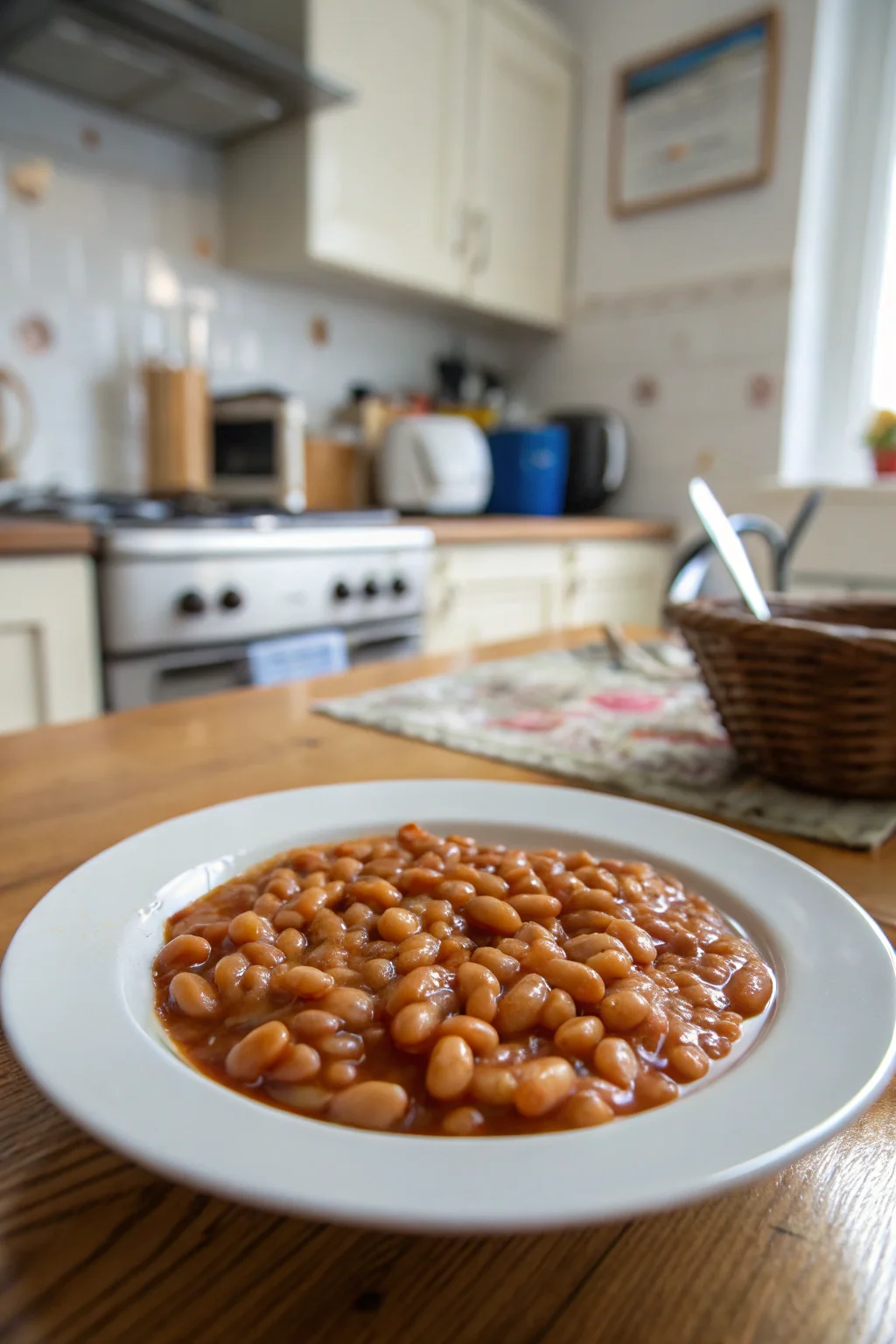
Cooking with a slow cooker is convenient and often enhances the flavor of your meals. It allows for the slow melding of flavors and a tenderizing effect on tougher cuts of meat and fibrous vegetables. However, not all ingredients are safe to prepare this way. Certain types of beans, in particular, can be hazardous if not cooked properly. This guide will help you understand which beans to avoid in your slow cooker and provide some safe cooking tips.
Why Should Some Beans Not Be Cooked in a Slow Cooker?
Certain beans, such as red kidney beans, contain a toxin called phytohaemagglutinin. This toxin can cause severe food poisoning if the beans are undercooked. The symptoms can be quite unpleasant, involving nausea, vomiting, and diarrhea, which can occur just a few hours after consumption. Slow cookers often don’t reach a high enough temperature to destroy this toxin effectively. The heat of a slow cooker, which typically ranges from 170°F (77°C) on low to 280°F (138°C) on high, is not sufficient to neutralize phytohaemagglutinin. Therefore, beans that contain phytohaemagglutinin should be boiled for at least 10 minutes at a rolling boil to ensure the toxin is deactivated before being added to a slow cooker. This precaution is essential for ensuring the safety of meals prepared with these beans.
What Happens If You Cook Red Kidney Beans in a Slow Cooker?
Cooking red kidney beans directly in a slow cooker can lead to food poisoning. The slow cooker’s low temperature may not destroy the phytohaemagglutinin toxin effectively. If you consume undercooked red kidney beans, you may experience symptoms like nausea, vomiting, and diarrhea, usually appearing within a few hours of consumption. These symptoms can be intense and may lead to dehydration if not addressed properly. To safely prepare red kidney beans, it is essential to boil them for at least 10 minutes and then rinse them thoroughly before adding them to the slow cooker. This step ensures that the toxin is fully neutralized and prevents any risk of foodborne illness.
Are There Other Beans That Should Not Be Cooked in a Slow Cooker?
Yes, besides red kidney beans, other beans with similar toxins include white kidney beans (also known as cannellini beans) and broad beans (also known as fava beans). These beans, like red kidney beans, contain higher levels of phytohaemagglutinin and require proper pre-treatment to ensure they are safe for consumption. The boiling process breaks down the toxins, making them safe to eat. Always ensure these beans are pre-cooked through boiling if you plan on using them in slow cooker recipes. For instance, if you’re planning to make a white bean chili or a broad bean stew, pre-cook the beans by boiling them first to ensure they are safe for your family and friends.
How Can You Safely Cook Beans in a Slow Cooker?
To safely cook beans in a slow cooker, follow these detailed steps to ensure your beans are both delicious and safe to eat:
Sort and Rinse: Begin by sorting through the beans to remove any small stones or debris that might have been packaged with them. Rinse the beans thoroughly under running water to remove any dust or dirt.
Soak Overnight: Soaking beans overnight helps to soften them and can also reduce cooking time. It also helps to leach out some of the indigestible sugars that cause gas. Place the beans in a large bowl, cover them with water, and let them sit overnight or for at least 8 hours. This step is particularly important for harder beans like chickpeas.
Boil for 10 Minutes: After soaking, drain the beans and place them in a pot. Cover with fresh water, bring to a vigorous boil, and let them boil for at least 10 minutes. This high temperature is crucial for breaking down toxins. The beans should be rapidly boiling during this time.
Rinse Again: After boiling, drain and rinse the beans again to remove any remaining toxins and impurities. This step also helps reduce the gas-inducing compounds further.
Add to Slow Cooker: Your beans are now ready to be added to the slow cooker with other ingredients. Make sure to add enough liquid to cover the beans and allow them to cook evenly.
By following these steps, you can ensure that your beans are safe to consume and will cook evenly in the slow cooker.
What Are the Best Beans for a Slow Cooker?
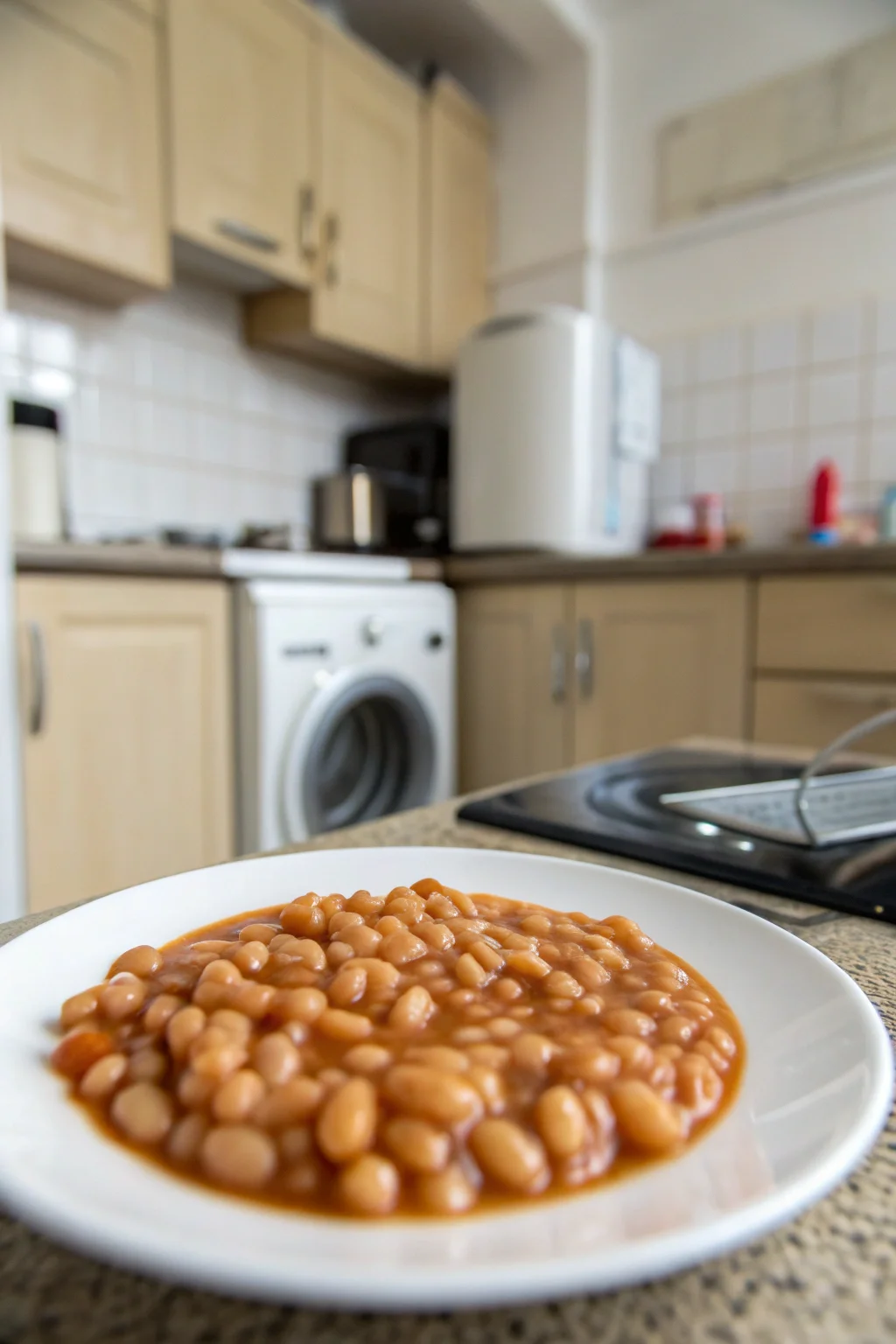
Some beans are perfectly safe and delicious when cooked in a slow cooker. These beans do not contain harmful levels of toxins and can be cooked directly in the slow cooker after soaking. They include:
Black Beans: Known for their rich, earthy flavor, black beans are versatile and hold their shape well during slow cooking, making them perfect for soups and stews.
Pinto Beans: These beans are popular in Mexican cuisine and become creamy and flavorful when slow-cooked. They’re perfect for making refried beans or chili.
Navy Beans: Often used in baked beans, navy beans become soft and tender, absorbing flavors well when cooked slowly.
These beans are not only safe but also ideal for creating hearty and nutritious meals in a slow cooker.
Can You Use Canned Beans in a Slow Cooker?
Yes, canned beans are a convenient and safe option for slow cooking. They are pre-cooked, which means any toxins have already been removed during the canning process. This makes them a great choice when you’re short on time or looking for an easy way to add beans to your recipe. Simply drain and rinse the beans to remove excess sodium and any canning liquid before adding them to your slow cooker recipes. This can help maintain the flavor profile of your dish and reduce the overall sodium content. Canned beans are particularly useful for last-minute additions to soups, stews, and casseroles.
What Are Some Safe Slow Cooker Recipes with Beans?
There are numerous safe and tasty slow cooker recipes that use beans. Here are a couple of examples to get you started:
Slow Cooker Black Bean Soup: This hearty and flavorful soup is perfect for any season. Combine black beans with tomatoes, bell peppers, onions, and spices, and let them simmer all day for a delicious meal.
Pinto Bean Chili: A classic comfort food that benefits from slow cooking. Combine pinto beans with ground beef, tomatoes, chili powder, and your choice of spices for a filling and flavorful dish.
Both recipes allow the beans to absorb the flavors of the other ingredients, resulting in rich and satisfying meals. For more recipes, you might want to check out hearty slow cooker recipes.
How Do You Know When Beans Are Fully Cooked?
Fully cooked beans should be tender but not mushy. To test them, simply take a bean and bite into it. It should be soft and easy to chew, without any hard or chalky texture. Beans should be cooked evenly, so ensure they are well-stirred in the slow cooker. If they are still hard or chalky, they need more cooking time. Be patient and let them continue to cook until they reach the desired consistency. If beans are undercooked, they can be difficult to digest and may not taste as good, so it’s worth taking the time to ensure they are perfectly done.
Can You Freeze Cooked Beans from a Slow Cooker?
Yes, you can freeze cooked beans for later use, which is a great way to save time and effort for future meals. Allow the beans to cool completely, then store them in airtight containers or freezer bags. Be sure to label them with the date to keep track of their freshness. Cooked beans can be stored in the freezer for up to six months. When you’re ready to use them, simply thaw them overnight in the refrigerator before reheating. This method is particularly useful for meal prepping and ensuring you always have ready-to-use beans on hand for fast, nutritious meals.
What Is the Nutritional Benefit of Cooking Beans?
Beans are an excellent source of protein, fiber, and essential nutrients like iron, potassium, and folate. They are also low in fat and contain no cholesterol, making them a heart-healthy choice. Incorporating beans into your diet can help improve digestion, support muscle health, and provide sustained energy. Cooking beans properly ensures you maximize their nutritional benefits. The process of slow cooking allows beans to absorb flavors and become more digestible, enhancing both their taste and nutritional profile. Including a variety of beans in your meals can contribute to a balanced and nutritious diet.
Can Slow Cooking Enhance Bean Flavors?
Slow cooking can significantly enhance the flavors of beans by allowing them to absorb the flavors of the ingredients they are cooked with. This method is especially effective for stews and soups where beans can take on the deep, rich flavors of the broth and spices. Slow cooking also helps to break down the fibers in beans, resulting in a creamy texture that is both satisfying and delicious. This technique is ideal for creating complex, layered flavors without the need for additional fats or seasonings. It’s a perfect way to create comforting, home-cooked meals that are full of flavor.
What Are Some Common Mistakes When Cooking Beans in a Slow Cooker?
Common mistakes when cooking beans in a slow cooker include:
Not Pre-soaking: Skipping this step can result in unevenly cooked beans. Soaking helps to soften the beans and ensures they cook evenly.
Skipping the Boil: For beans with phytohaemagglutinin, this step is crucial to avoid toxins. Always boil these beans for at least 10 minutes before adding them to the slow cooker.
Overcrowding: Adding too many beans can prevent even cooking. Ensure there is enough liquid and space for the beans to expand and cook properly.
Avoiding these mistakes will help you achieve perfectly cooked beans every time.
Conclusion
Cooking beans in a slow cooker can be both safe and delicious if you follow the right steps. Always ensure you pre-cook beans that contain toxins and enjoy the convenience and flavor enhancement that slow cooking provides. Slow cooking offers a practical and efficient way to prepare meals that are nutritious and flavorful. For more tips on cooking legumes, you can explore our guide to safe legume cooking and browse bean recipes for inspiration.
More on cakespedia.blog • Search “What Beans Should Not Be Cooked in a Slow Cooker | Safe Cooking Tips”