Understanding the nuances between Béchamel and white sauce can elevate your cooking from basic to gourmet. While often used interchangeably, each sauce has its unique characteristics and uses. This guide will demystify their differences, helping you choose the right sauce for your culinary creations.
What is Béchamel Sauce?
Béchamel sauce is a classic French sauce made with a roux of butter and flour, cooked with milk. It’s one of the five “mother sauces” in French cuisine, forming the foundation for many other sauces. The richness of Béchamel comes from its creamy texture and subtle flavor, making it versatile and foundational in European cooking. This sauce is not only a staple in French cuisine but also plays a significant role in Italian and Greek dishes, serving as the base for many favorites like lasagna and moussaka.
The preparation of Béchamel is a delicate process that requires attention to detail. The roux, made by cooking butter and flour together, is the cornerstone of its structure. The gentle cooking of the roux ensures that the sauce has a smooth consistency, free of any raw flour taste. The milk is then gradually introduced, and the sauce is whisked continuously to prevent lumps from forming. A pinch of nutmeg is the classic seasoning that enhances the sauce, providing a warm, aromatic undertone that complements many dishes. This method and attention to detail ensure a smooth, creamy consistency that is both luxurious and comforting.
What is White Sauce?
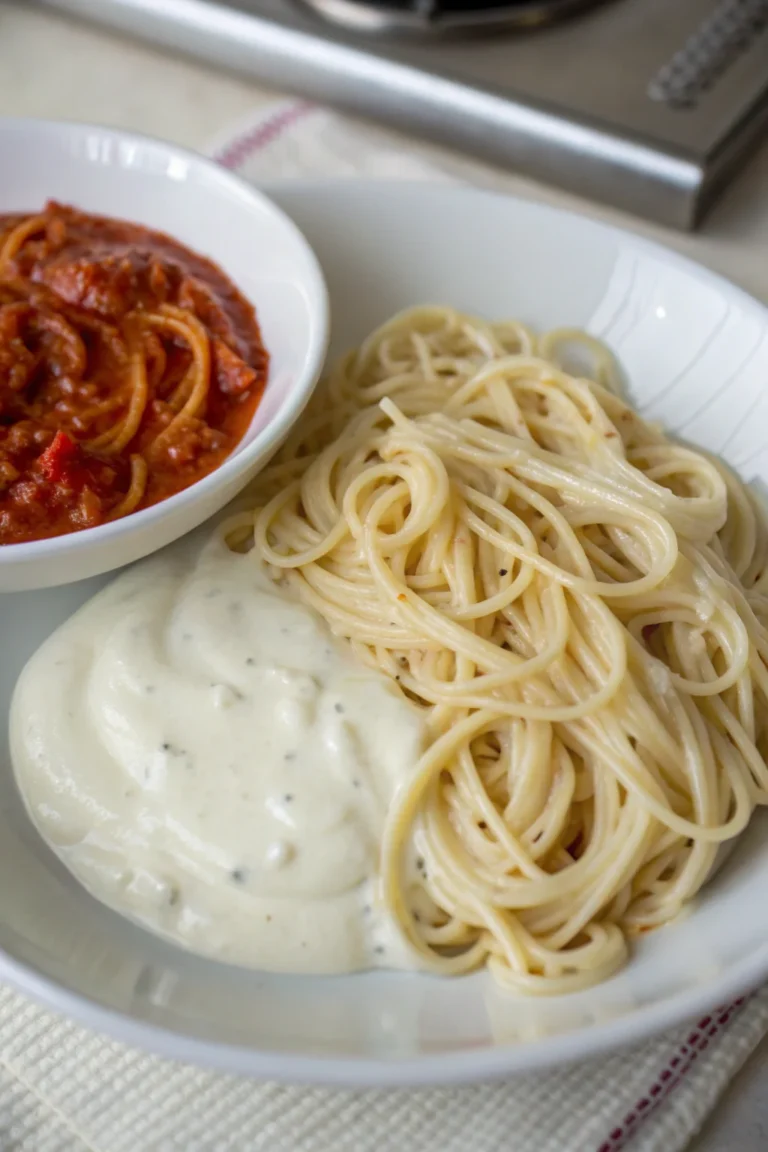
White sauce is a more general term that can refer to any sauce with a white, creamy texture. While Béchamel is one type of white sauce, the term “white sauce” can encompass a broad range of variations, each with its own set of ingredients and flavors. Other versions of white sauce might include additional ingredients such as cheese, cream, garlic, or herbs, which can significantly alter the sauce’s flavor profile and thickness. This adaptability allows white sauces to cross culinary boundaries, appearing in diverse cuisines and dishes worldwide.
The flexibility of white sauce makes it an excellent canvas for creativity in the kitchen. It can be tailored to suit the specific needs of various dishes, from casseroles to pasta dishes, enhancing their flavors and textures. For instance, a white sauce enriched with garlic and herbs can serve as a flavorful base for a creamy Italian pasta dish, while a cheese-laden version might be perfect for a comforting macaroni and cheese. The key to mastering white sauce is understanding the balance of flavors and how different ingredients can be combined to complement the main dish.
How is Béchamel Sauce Made?
Béchamel is created by first making a roux of equal parts butter and flour. This mixture is cooked gently until it reaches a pale, golden color, indicating that the flour is cooked and ready to incorporate the milk. Once the roux is ready, milk is gradually whisked in. This gradual incorporation is crucial as it prevents the formation of lumps, ensuring a smooth and creamy sauce. The milk should be added slowly, and constant whisking is necessary to maintain the emulsion and prevent the sauce from separating.
The final step in making Béchamel is seasoning. A pinch of nutmeg is traditionally added to enhance its flavor, giving it a subtle warmth that complements its creamy texture. Salt and white pepper can also be added to taste. The resulting sauce should be thick enough to coat the back of a spoon, indicating that it has reached the desired consistency. This method not only ensures a smooth, creamy consistency but also highlights the delicate balance of flavors that make Béchamel a classic.
How is White Sauce Made?
White sauce can be made similarly to Béchamel, starting with a roux. However, the ingredients in white sauce might vary widely depending on the recipe or the dish it is intended to accompany. Some versions of white sauce include cheese, garlic, cream, or even wine, which can alter the flavor profile and thickness significantly. These variations allow the sauce to adapt to specific dishes, making it more versatile and creative than Béchamel.
For instance, adding cheese to the roux before incorporating the milk can create a rich, savory cheese sauce perfect for dishes like macaroni and cheese. Incorporating garlic or herbs early in the process can infuse the sauce with additional layers of flavor, ideal for enhancing vegetable casseroles or pasta dishes. The key to making a successful white sauce is understanding the flavor profile you wish to achieve and selecting ingredients that complement the dish you are preparing.
Can Béchamel and White Sauce be Used Interchangeably?
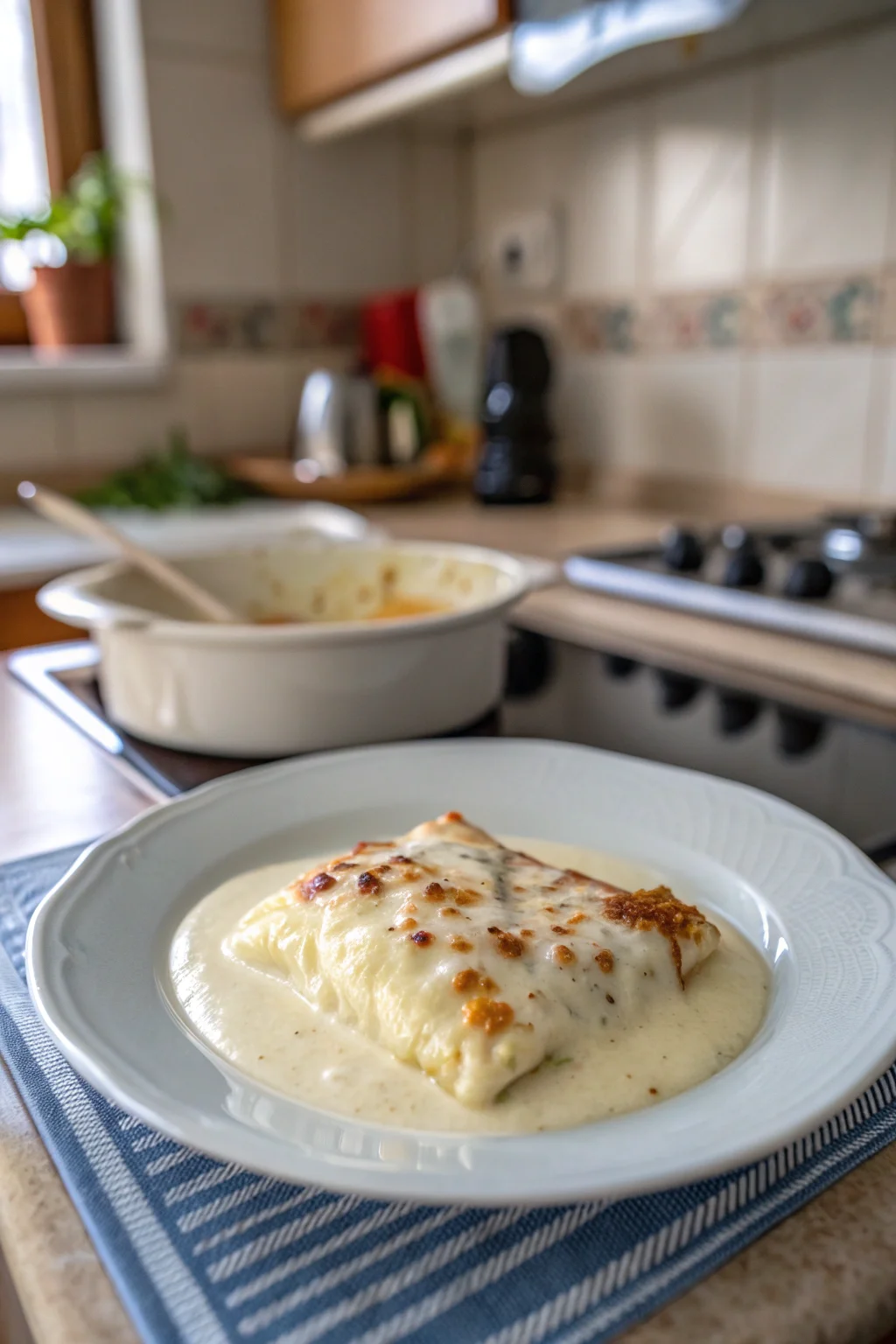
While Béchamel can serve as a white sauce, not all white sauces are Béchamel. If a recipe specifically calls for Béchamel, it’s best to stick to its traditional preparation to achieve the intended flavor and texture. Béchamel provides a specific consistency and subtlety that might be lost if substituted with a more complex white sauce.
However, for dishes that require a creamy white sauce, you can experiment with different ingredients to complement your dish. For example, a white sauce with added cheese or herbs might bring a new dimension to a pasta bake that a plain Béchamel could not. The choice between Béchamel and white sauce should be guided by the desired flavor profile and the role the sauce plays in the dish.
What Are Common Uses for Béchamel Sauce?
Béchamel is frequently used in classic dishes like:
- Lasagna: It acts as a creamy layer that binds the pasta, meat, and cheese together, creating a harmonious blend of flavors.
- Moussaka: Béchamel adds richness and depth to this traditional Greek dish, complementing the layers of eggplant and meat.
- Croque Monsieur: This French sandwich is elevated by a layer of Béchamel, which adds creaminess and depth to the melted cheese and ham.
Béchamel’s creamy texture and mild flavor make it ideal for layering and binding ingredients together in baked dishes. Its subtlety allows the other components of the dish to shine while providing a rich backdrop that enhances their flavors.
What Are Common Uses for White Sauce?
White sauce can be used in a variety of dishes such as:
- Macaroni and Cheese: The addition of cheese to white sauce creates a creamy, comforting dish that is a favorite in many households.
- Casseroles: White sauce acts as a creamy binder for vegetables, grains, and meats, adding richness and depth to the dish.
- Creamy Pasta Dishes: Whether infused with garlic, herbs, or cheese, white sauce can transform a simple pasta dish into a gourmet experience.
Its flexibility allows for creative adaptations with added herbs, spices, or cheeses. The key to using white sauce successfully is to understand how its flavor profile can complement the main ingredients of the dish, enhancing their flavors without overpowering them.
Is Béchamel Sauce Gluten-Free?
Traditional Béchamel is not gluten-free due to the flour used in the roux. However, you can substitute rice flour, cornstarch, or gluten-free all-purpose flour to make a gluten-free version. This simple swap maintains the sauce’s texture while accommodating dietary restrictions. When using cornstarch, it’s important to dissolve it in a cold liquid before adding it to the sauce to prevent clumping.
The use of alternative thickeners requires slight adjustments to the cooking process. For example, cornstarch thickens differently from flour, so it’s added after the milk is incorporated and the sauce is heated through. This ensures the sauce achieves the right consistency without becoming too thick or gummy.
Is White Sauce Gluten-Free?
White sauce can be gluten-free if made with gluten-free flour alternatives such as cornstarch or rice flour. Always check the ingredients if you’re using a pre-made sauce to ensure it meets gluten-free standards. When preparing a gluten-free white sauce, the choice of thickener can also influence the sauce’s final texture and flavor.
For instance, rice flour can provide a smoother texture closer to traditional flour, while cornstarch might result in a slightly glossy finish. Understanding these differences can help you choose the right thickener for your dish and achieve the desired consistency and flavor.
What Are the Key Flavor Differences?
Béchamel has a subtle, creamy flavor with a hint of nutmeg, making it a more refined choice for certain dishes. Its delicate balance allows it to complement a wide range of ingredients without overpowering them. This subtlety makes Béchamel a preferred choice for dishes where the sauce should enhance, rather than dominate, the flavors.
White sauce, depending on its additional ingredients, can vary widely in taste, ranging from cheesy to garlic-infused. The inclusion of various herbs and spices can transform a basic white sauce into a flavorful component of the dish. This versatility allows white sauce to adapt to different cuisines and flavor profiles, making it a popular choice for creative cooks.
Can You Add Cheese to Béchamel?
Yes, adding cheese to Béchamel transforms it into a Mornay sauce. This adaptation is perfect for dishes like macaroni and cheese or gratins, where a cheesy, creamy sauce is desired. The choice of cheese can significantly influence the sauce’s flavor and texture. Gruyère or Emmental are traditional choices for a classic Mornay, offering a rich, nutty taste that complements the creamy base.
To make a Mornay sauce, simply stir grated cheese into the finished Béchamel, allowing it to melt and blend smoothly. The result is a rich, savory sauce that can elevate a variety of dishes, adding depth and complexity to their flavors.
Can You Add Cheese to White Sauce?
Absolutely! Cheese is often added to white sauce to create a rich, savory flavor. Popular choices include cheddar, Parmesan, or Gruyère, each bringing a unique taste and texture to the sauce. The key to a successful cheese sauce is selecting a cheese that melts well and complements the other flavors in the dish.
When adding cheese to white sauce, it’s best to do so off the heat, allowing the residual warmth to melt the cheese gently. This prevents the cheese from overheating and becoming grainy, ensuring a smooth, creamy sauce. Experimenting with different cheese combinations can lead to exciting new flavor profiles, perfect for creating a signature dish.
What Are Some Tips for Perfect Béchamel Sauce?
- Whisk Continuously: To avoid lumps, constantly whisk while adding milk. This ensures a smooth, velvety texture that is the hallmark of a well-made Béchamel.
- Cook on Low Heat: Prevent the sauce from burning by maintaining a low temperature. This gentle cooking allows the flavors to develop slowly, enhancing the sauce’s depth and richness.
- Season Wisely: A pinch of nutmeg and salt is typically enough, but taste as you go. Adjust the seasoning to suit your dish, keeping in mind that Béchamel’s subtlety is part of its charm.
What Are Some Tips for Perfect White Sauce?
- Choose the Right Cheese: Select a cheese that melts well for a smooth texture. The right cheese can elevate a simple white sauce into a rich, savory component of your dish.
- Flavor Flexibility: Experiment with herbs and spices to suit your dish. Adding garlic, thyme, or rosemary can infuse the sauce with additional layers of flavor, enhancing the overall taste.
- Texture Control: Adjust thickness with more or less milk or cream as needed. The consistency of your sauce should complement your dish, whether it’s a thick, creamy sauce for a casserole or a lighter version for pasta.
Conclusion
In summary, while Béchamel and white sauce share similarities, they offer distinct characteristics suited to different culinary needs. Explore more classic sauces to enhance your cooking repertoire. Remember to tailor each sauce to your dish, and enjoy the art of sauce-making in your kitchen.
For more on sauce basics, check out our article on mother sauces and their uses in cooking.
More on cakespedia.blog • Search “What’s the Difference Between Béchamel and White Sauce? | Key Distinctions Explained”