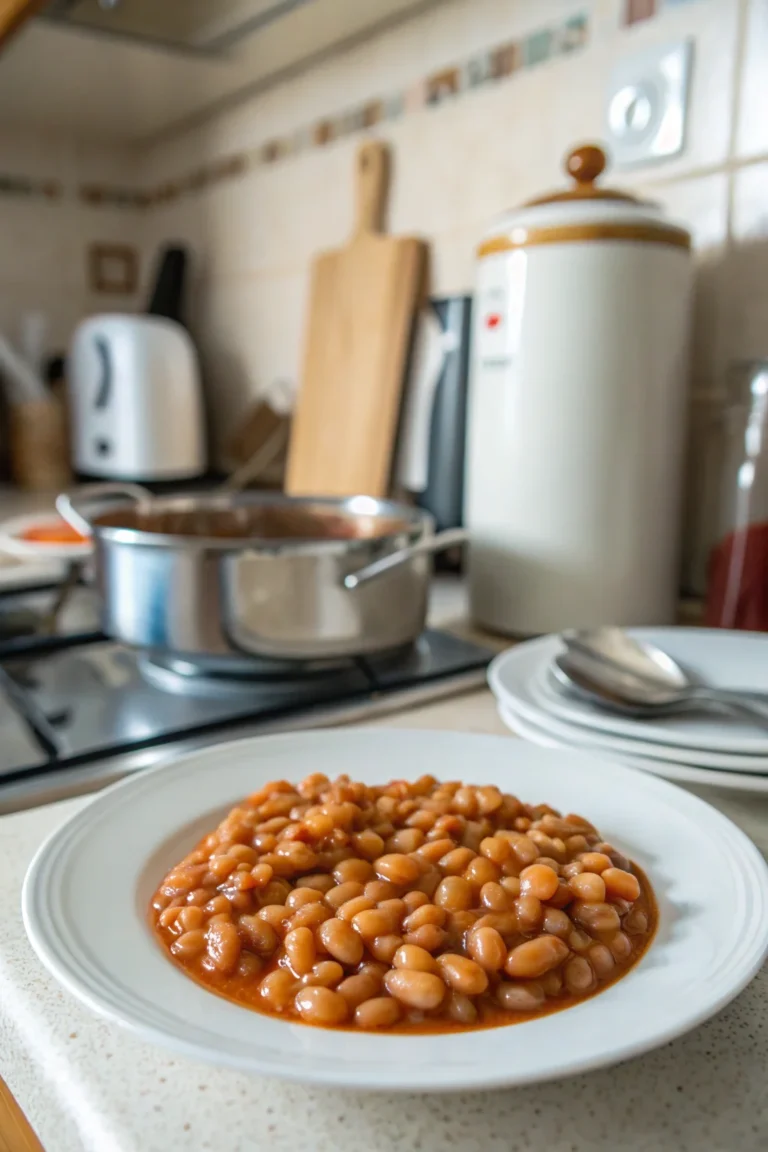

Pot pie gravy is a deliciously rich and savory sauce that forms the heart of any pot pie. Whether you’re making a classic chicken pot pie or a veggie alternative, the gravy ties all the components together, ensuring each bite is flavorful and satisfying. In this article, we’ll explore the essential ingredients that make up pot pie gravy and delve into various tasty variations you can try at home.
What Are the Basic Ingredients in Pot Pie Gravy?
The basic ingredients for pot pie gravy typically include:
- Butter and Flour: These two form the roux, which thickens the gravy. The ratio can be adjusted slightly if you prefer a thicker or thinner gravy, but starting with equal parts is generally recommended for consistency.
- Broth or Stock: Chicken, beef, or vegetable broth adds depth of flavor. Homemade broth is particularly flavorful, as it can be tailored to your taste preferences and dietary needs. Consider simmering bones with aromatic vegetables and herbs for a rich, robust base.
- Milk or Cream: This adds richness and a creamy texture. Whole milk provides a balance of creaminess without being too heavy, but for an indulgent touch, heavy cream can be used. If you’re looking for a lighter option, consider using half-and-half.
- Salt and Pepper: Essential for seasoning the gravy. Freshly ground black pepper can add a subtle heat, while kosher salt is excellent for even seasoning.
These ingredients create a smooth, rich sauce that complements the filling inside the pie. You can adjust the thickness by altering the amount of roux or liquid used. For a more savory note, consider adding a splash of soy sauce or Worcestershire sauce.
How Do You Make a Roux for Pot Pie Gravy?
A roux is made by cooking equal parts of butter and flour. Here’s how you can make it:
- Melt Butter: In a saucepan, melt the butter over medium heat. Ensure that the butter doesn’t brown, as this can alter the flavor profile of your gravy.
- Add Flour: Stir in the flour until it forms a paste. Use a whisk to ensure it’s smooth and lump-free.
- Cook the Roux: Cook for 1-2 minutes, stirring constantly, until the mixture is bubbly and slightly golden. This helps cook out the raw flour taste and develops a nutty aroma.
The roux serves as the base for the gravy, helping to thicken it without clumping. If you prefer a darker gravy, you can cook the roux a bit longer until it becomes a deeper golden color, but be cautious not to burn it.
Can You Make Pot Pie Gravy Without Dairy?
Yes, you can make pot pie gravy without dairy by substituting:
- Butter: Use olive oil or dairy-free margarine. Olive oil offers a fruity note, while coconut oil provides a subtle sweetness that can complement certain fillings.
- Milk/Cream: Opt for almond milk, soy milk, or coconut milk for a creamy texture. Each alternative brings its own flavor profile; for instance, coconut milk adds a tropical touch, while almond milk is more neutral.
These alternatives ensure that the gravy remains rich while accommodating dietary restrictions. It’s essential to ensure that your chosen substitutes are unsweetened to avoid altering the savory nature of the gravy.
What Variations Can You Try for Pot Pie Gravy?
Pot pie gravy can be customized with various ingredients:
- Herbs: Add thyme, rosemary, or parsley for added aroma. Fresh herbs are ideal for a bright flavor, while dried herbs should be used more sparingly as they’re more concentrated.
- Spices: Incorporate garlic powder, onion powder, or paprika for extra flavor. Smoked paprika can add a subtle smokiness, which pairs well with chicken or beef.
- Wines: A splash of white wine can add depth to the gravy. Choose a dry white wine for a balanced acidity that won’t overpower the other flavors.
Experimenting with these variations can elevate the flavor profile of your pot pie. For a heartier taste, consider adding mushrooms or sautéed onions to the mix.
How Can You Thicken Pot Pie Gravy?

To thicken pot pie gravy, consider these methods:
- More Roux: Cook more butter and flour to add to the gravy. This method is best for a consistent texture, as the roux integrates seamlessly into the existing mixture.
- Cornstarch Slurry: Mix cornstarch with cold water and stir it into the gravy. This option is quick and effective but should be added gradually to prevent over-thickening.
- Simmer: Allow the gravy to simmer until it reduces and thickens naturally. This method enhances the flavors as they concentrate, but it requires patience.
These techniques can help achieve the desired consistency for your pot pie filling. Adjust the amount used based on your preference for a thicker or thinner gravy.
What Role Does Broth Play in Pot Pie Gravy?
Broth is crucial in pot pie gravy as it:
- Provides Flavor: Enhances the overall taste profile. A well-made broth can make a significant difference, contributing both depth and subtle nuances.
- Acts as a Liquid Base: Helps amalgamate the ingredients into a cohesive sauce. The choice of broth can significantly alter the overall flavor—chicken broth offers a lighter taste, while beef broth is richer.
- Offers Versatility: You can choose chicken, beef, or vegetable broth based on your pie’s filling. For a unique twist, try mushroom broth for an earthy flavor that complements vegetable fillings.
For a homemade touch, consider making your own broth using this guide on homemade chicken broth. Homemade broth can be customized with additional herbs and spices to suit your palate.
Are There Gluten-Free Options for Pot Pie Gravy?
Yes, you can make gluten-free pot pie gravy by:
- Using Gluten-Free Flour: Substitute regular flour with a gluten-free blend. Look for blends that contain xanthan gum for better elasticity and structure.
- Thickening Agents: Use cornstarch or arrowroot powder instead of flour. These are excellent for achieving a smooth texture without altering the flavor.
These substitutions ensure the gravy is suitable for those with gluten sensitivities. It’s crucial to check all ingredient labels to ensure they are certified gluten-free.
How Does the Gravy Affect the Pot Pie’s Overall Taste?
The gravy in a pot pie:
- Enhances Flavor: It brings all other ingredients together, acting as the flavor carrier that melds the filling into a unified dish.
- Adds Moisture: Ensures the pie filling is succulent and not dry. A good gravy prevents the pie from becoming overly dry, ensuring a balance with the crust.
- Balances the Pie: Provides a creamy contrast to the crust and filling. The gravy’s texture should complement the flaky crust, creating a harmonious mouthfeel.
The gravy is essential in creating a harmonious dish where each component complements the other. Whether you prefer a classic or an adventurous flavor combination, the gravy is pivotal in setting the tone for the entire dish.
Can You Use Store-Bought Gravy for Pot Pies?
While homemade gravy is ideal, store-bought options can be used:
- Convenience: Saves time and effort, especially when you’re short on time or need to prepare multiple dishes.
- Consistency: Offers a reliable thickness and flavor, making it a practical choice for those less confident in their gravy-making skills.
- Variety: Available in multiple flavors to match your pie’s filling. Look for high-quality brands with minimal preservatives for a more homemade taste.
If opting for store-bought, enhance it with additional spices or herbs for a personalized touch. A quick sauté of garlic or shallots can elevate the flavor, making it taste more like homemade.
How Long Can You Store Pot Pie Gravy?
Pot pie gravy can be stored effectively:
- Refrigerator: Keep in an airtight container for up to 3-4 days. Ensure the gravy is cooled before sealing to prevent condensation, which can dilute the flavor.
- Freezer: Freeze for up to 3 months in a suitable container. Consider freezing in portion-sized containers for easier thawing and reheating.
When reheating, add a bit of broth or milk to restore its creamy consistency. Gently reheat over low heat to prevent splitting or curdling.
What Common Mistakes Should You Avoid When Making Pot Pie Gravy?
Avoid these pitfalls for perfect gravy:
- Over-Thickening: Add liquid gradually to avoid a paste-like consistency. If the gravy becomes too thick, a splash of broth or milk can help loosen it.
- Lumps: Stir continuously for a smooth texture. Using a whisk can help break up clumps more effectively than a spoon.
- Under-Seasoning: Taste and adjust seasoning as needed. Remember that flavors can intensify as the gravy reduces, so season gradually.
These tips will help you create a delicious and smooth gravy every time. Patience and attention to detail are key in achieving the perfect texture and flavor.
Can You Make Pot Pie Gravy in Advance?
Yes, preparing gravy in advance can be beneficial:
- Time-Saving: Reduces preparation time on the day. This is particularly useful for hosting or when preparing multiple dishes.
- Flavor Development: Allows flavors to meld together, resulting in a deeper, more nuanced taste.
- Convenience: Makes assembly quicker when ready to bake. Having the gravy ready means you can focus on perfecting the pie crust and filling.
Store it in the fridge and reheat gently before using. A splash of fresh broth during reheating can refresh the flavors and bring back its creamy consistency.
Wrap-Up
Pot pie gravy is a versatile and essential component of a delicious pot pie. By understanding the key ingredients and variations, you can customize the gravy to suit your tastes and dietary needs. Whether you stick to traditional recipes or try new flavors, mastering this element will significantly enhance your pot pie experience. For more inspiration, explore our collection of pot pie recipes and learn more about creating perfect dishes every time. With the right techniques and a bit of creativity, your pot pie can become a comforting classic or a gourmet masterpiece.