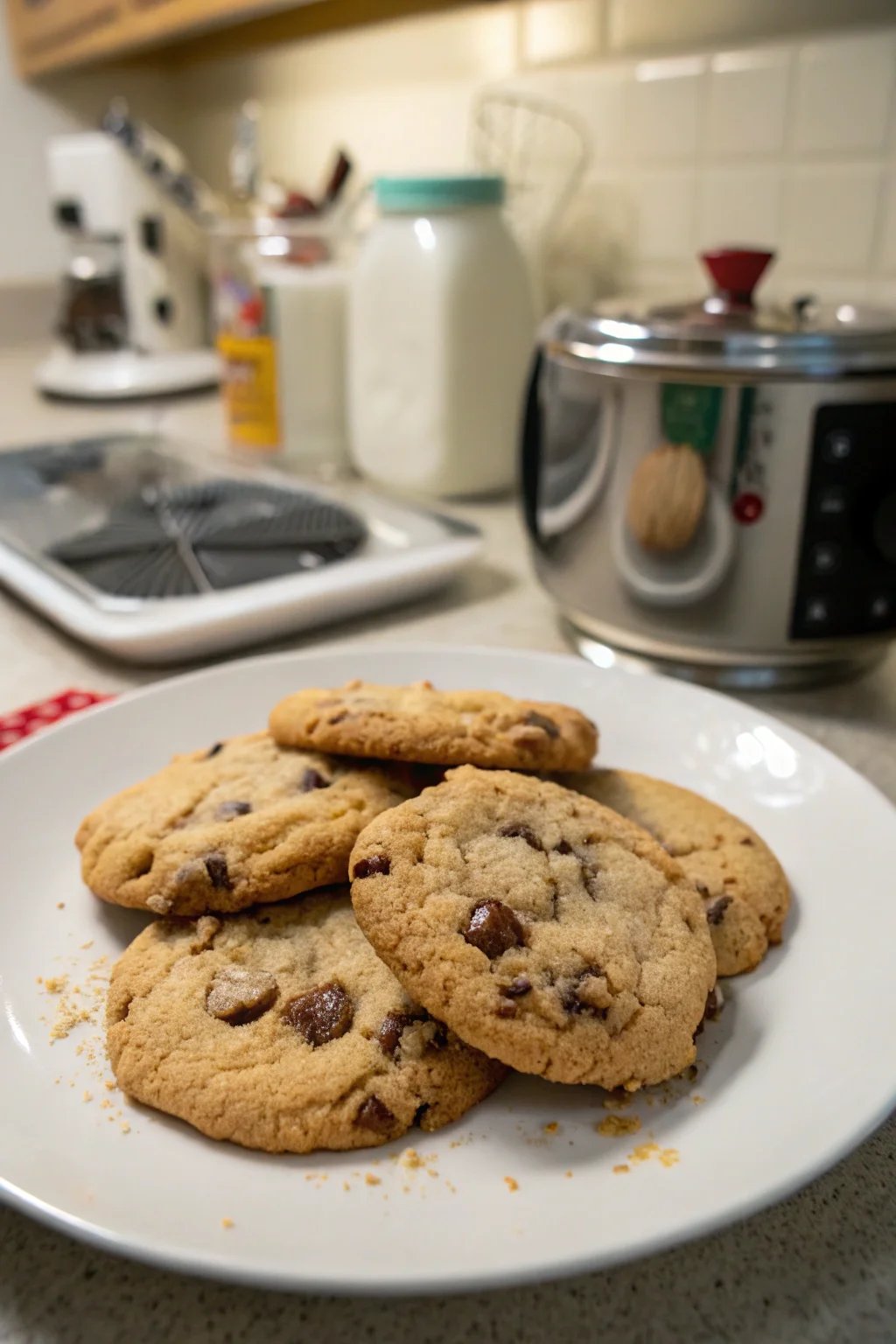
If you’ve ever reached for a Betty Crocker cookie mix, you might have wondered just how many cookies it will yield. This guide will answer that question and more, providing clarity on how to maximize your cookie-making experience. Whether you’re baking for a party or just a cozy night in, understanding the mix’s output can help you plan better. Let’s dive into the details of your Betty Crocker cookie mix!
How many cookies does a standard Betty Crocker mix make?
A standard Betty Crocker cookie mix typically makes about 24 to 36 cookies, depending on the variety and how large you make each cookie. Most mixes suggest using a tablespoon to scoop the dough, but you can adjust the size to suit your needs. Remember, larger cookies mean fewer total cookies, and smaller ones mean more. For specific details, always check the package instructions.
Understanding how the number of cookies is calculated can help in planning your baking projects. The package instructions usually provide a guideline based on a standard size, but there is flexibility. For example, if you prefer bite-sized treats for a kid’s party, using a teaspoon instead of a tablespoon will yield more cookies, perfect for little hands. Conversely, for a dessert platter at a formal gathering, larger cookies might be more desirable.
What factors affect the number of cookies you can make?
Several factors can influence how many cookies you can make from a single mix:
- Dough Size: Using a tablespoon versus a teaspoon can significantly change the count. The size of the scoop not only affects the number of cookies but also their baking time and texture. Smaller cookies will have a crispier edge with a slightly chewy center, while larger cookies tend to be softer throughout.
- Mix Variety: Some mixes, like sugar cookies, might yield more than chunkier ones, like chocolate chip. The type of cookie mix you choose can influence the yield due to differences in ingredients and dough consistency. For instance, oatmeal raisin mixes may spread less in the oven compared to sugar cookie mixes, affecting the final count.
- Additions: Adding extra ingredients (e.g., nuts, chocolate chips) can change the dough’s consistency and yield. These additions can enhance flavors and textures but may also increase the volume of the dough, leading to more or fewer cookies depending on how they are incorporated.
Can I make more cookies by adjusting the dough size?
Yes, adjusting the dough size is an easy way to increase the number of cookies. Instead of using a tablespoon to scoop the dough, consider using a teaspoon. This change will result in smaller cookies, but you’ll get more of them. Be sure to adjust baking times if you’re changing cookie sizes to ensure they are baked perfectly.
Experimenting with dough size allows you to control not only the number of cookies but also their texture and appearance. Smaller cookies can be more uniform and appealing for certain occasions, such as holiday gift boxes or bake sales. Additionally, smaller cookies often bake more evenly and are less likely to burn, making them a safe choice for inexperienced bakers.
How can I make my cookies more uniform in size?
For more uniform cookies, consider using a cookie scoop or measuring spoon. This ensures each cookie is the same size and bakes evenly. Consistency in size not only helps in baking but also in presentation, making your cookies look professionally done. Additionally, rolling the dough into balls can help achieve a uniform shape.
Uniformity in size is crucial when baking for presentations or competitions where appearance matters. Using a cookie scoop ensures that each cookie is the same weight and thickness, which also means they will bake at the same rate. This prevents some cookies from overbaking while others remain undercooked. For home bakers, investing in a set of cookie scoops of various sizes can be invaluable for different recipes and occasions.
Does adding extra ingredients affect the cookie count?
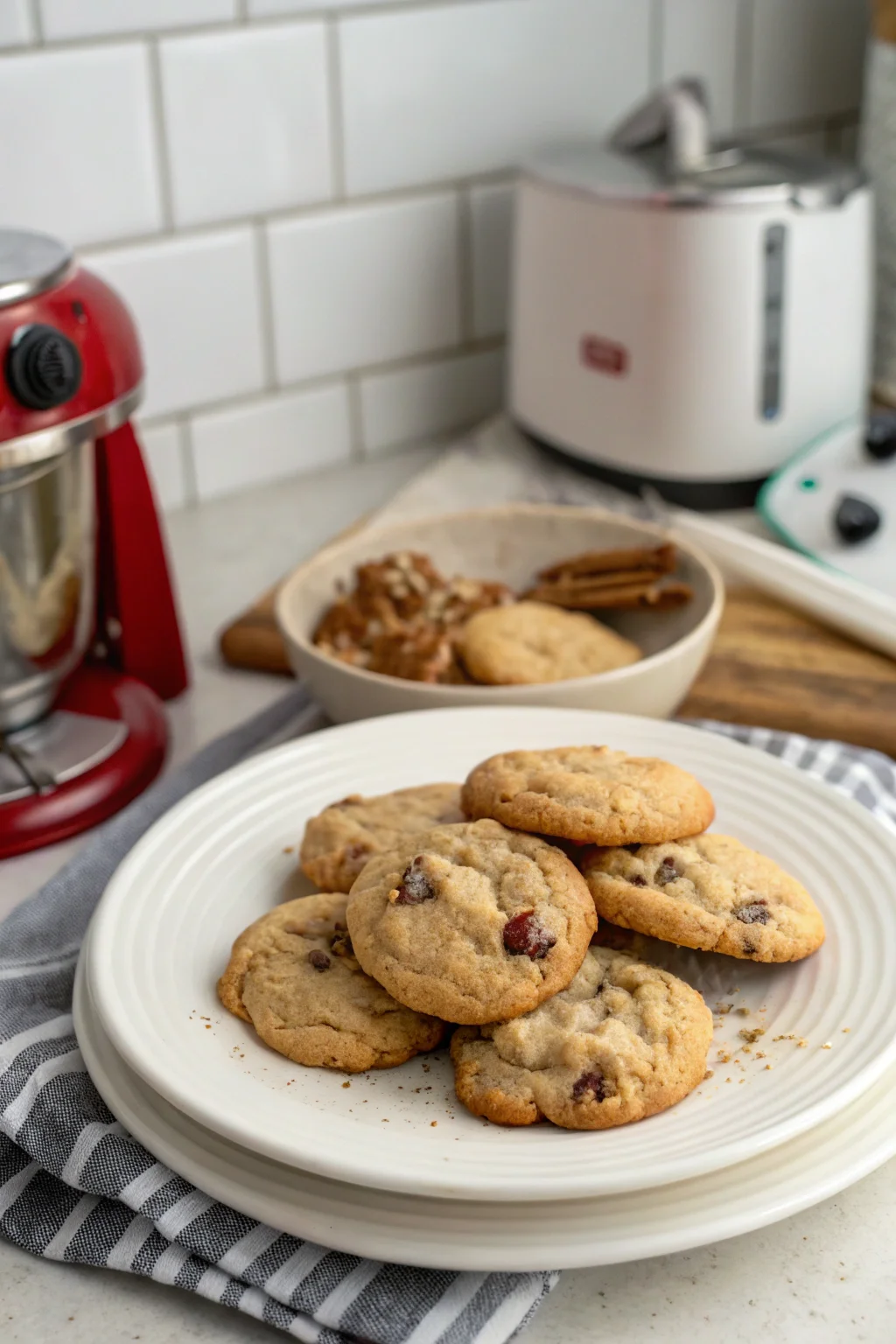
Adding extra ingredients can indeed affect the final cookie count. While the dough’s volume increases, the consistency might change. For instance, adding oats or nuts may make the dough thicker, possibly yielding fewer cookies. However, adding small amounts of flavorings like vanilla or almond extract generally won’t change the count.
When considering mix-ins, balance is key. Too many additional ingredients can overwhelm the dough, making it difficult to form cookies that hold together. Try to maintain a ratio where mix-ins make up no more than 20% of the total dough volume to ensure structural integrity. This approach allows you to enjoy the added flavors without sacrificing the number of cookies or their quality.
Can I adjust the recipe to make more cookies?
Yes, you can adjust the recipe to make more cookies. One way is to add more flour, sugar, and other basic ingredients to stretch the mix, but this might alter the taste and texture. Alternatively, you can purchase multiple mixes and combine them, ensuring you follow the preparation instructions for each.
When adjusting recipes, keep in mind that altering the balance of ingredients can affect the structure and flavor of your cookies. If you choose to extend the mix, consider adding a small amount of baking soda or powder to ensure the cookies rise properly. Additionally, be mindful of the fat to flour ratio; too much flour can result in dry cookies, so adjust wet ingredients like butter or eggs accordingly.
Are there any tips for making larger batches from a single mix?
If you’re looking to make more cookies with a single mix, consider these tips:
- Use Smaller Scoops: As mentioned, using smaller scoops means more cookies. This is particularly useful when you need to stretch a single mix for unexpected guests or last-minute events.
- Stretch the Dough: Add a bit more flour and sugar to stretch the dough. Be careful to maintain the dough’s consistency to avoid compromising the cookie’s texture.
- Chill the Dough: This can make it easier to handle and portion out more cookies. Chilling also helps the cookies maintain their shape during baking, particularly when using additions like chocolate chips or nuts.
Chilling the dough has additional benefits beyond portioning. It allows the flour to fully hydrate and the flavors to meld, potentially resulting in richer, more complex cookies. This technique is especially helpful when working with sugar or gingerbread cookie mixes that benefit from deeper flavor profiles.
What are some creative ways to enhance a Betty Crocker mix?
Enhancing a Betty Crocker mix can be as simple as adding a few extra ingredients:
- Spices: Cinnamon or nutmeg can add warmth. These spices work particularly well with oatmeal and sugar cookie mixes, introducing a cozy, homemade flavor.
- Extracts: A dash of almond or mint extract can change the flavor profile. These extracts can transform a basic cookie into a holiday treat or a refreshing summer snack.
- Mix-ins: Consider chocolate chips, dried fruits, or nuts. Be creative with mix-ins; for example, adding white chocolate chips and dried cranberries can create a festive cookie perfect for holiday gatherings.
Experimenting with enhancements allows you to tailor cookies to specific tastes or themes. For example, add a tablespoon of espresso powder to chocolate chip cookie dough for a mocha twist, or incorporate lemon zest into sugar cookie dough for a refreshing citrus flavor. The possibilities are endless when you start with a versatile base like a Betty Crocker mix.
How does baking time affect the number of cookies?
Baking time itself doesn’t affect the number of cookies but does impact their texture. Larger or thicker cookies require more time, while smaller ones bake faster. Adjust your timing accordingly to ensure each batch is perfectly baked, regardless of size.
Monitoring baking times is crucial for achieving desired textures. For soft and chewy cookies, remove them from the oven just as the edges begin to brown. For crisper cookies, allow them to bake until they are golden brown all over. Remember that cookies continue to cook slightly after being removed from the oven due to residual heat, so factor this in when setting your timer.
Why might my cookie count differ from the package estimate?
Your cookie count might differ due to several reasons:
- Scooping Method: Using different tools can lead to varying sizes. A heaping tablespoon versus a leveled one can make a significant difference in dough distribution.
- Ingredient Variations: Extra mix-ins can alter the dough’s volume. Some mix-ins, like marshmallows, can expand during baking, affecting the final count.
- Oven Differences: Baking in different ovens might slightly change the dough’s expansion. Variations in oven temperature and airflow can affect how cookies spread and rise, impacting the yield.
If discrepancies in cookie count are a recurring issue, consider weighing your dough to ensure consistent sizing. This method provides precision and can help achieve the exact number of cookies expected from the mix.
Can I freeze the dough to bake cookies later?
Yes, freezing the dough is a great way to prepare cookies for later. Simply roll the dough into balls and place them on a baking sheet. Freeze until solid, then transfer to a freezer bag. When ready to bake, add a few extra minutes to the baking time without thawing the dough.
Freezing dough offers convenience and flexibility, allowing you to enjoy freshly baked cookies anytime. Label your freezer bags with the type of cookie and date of preparation to keep track of inventory. This method also allows you to bake a few cookies at a time, reducing waste and ensuring each serving is fresh.
Are there any specific storage tips for baked cookies?
To keep baked cookies fresh:
- Use Airtight Containers: This prevents them from becoming stale. Glass or BPA-free plastic containers work well and help maintain the cookies’ original texture.
- Add a Slice of Bread: It keeps cookies soft by absorbing excess moisture. This tip is particularly effective for maintaining the chewiness of chocolate chip or peanut butter cookies.
- Freeze for Longevity: Place them in a freezer-safe bag for longer storage. Frozen cookies retain their quality for up to three months, making them a convenient option for planned events.
Storing cookies correctly ensures they remain a delightful treat long after baking. For decorative or frosted cookies, consider placing wax paper between layers to prevent sticking. This approach also works well for cookies with different flavors, keeping them from mingling in a shared container.
Where can I find more ideas for using Betty Crocker mixes?
For more ideas, you can visit the Betty Crocker website for recipes and tips. Additionally, exploring cooking forums or food blogs can provide creative ways to use cookie mixes. You might also find inspiration on our baking tips page for enhancing your cookie-making experience.
Online resources are abundant with creative suggestions and adaptations for Betty Crocker mixes. Join baking communities on social media platforms to exchange ideas and receive feedback from fellow bakers. These interactions can inspire new flavor combinations and presentation styles, keeping your baking adventures exciting and varied.
Conclusion
Understanding how many cookies a Betty Crocker mix makes can help you better plan your baking adventures. By considering factors like dough size, mix variety, and additional ingredients, you can control the output and quality of your cookies. Whether you’re a novice baker or a seasoned pro, using these tips can ensure that every batch is a success. For more baking insights, check out our cookie baking guide. Happy baking!