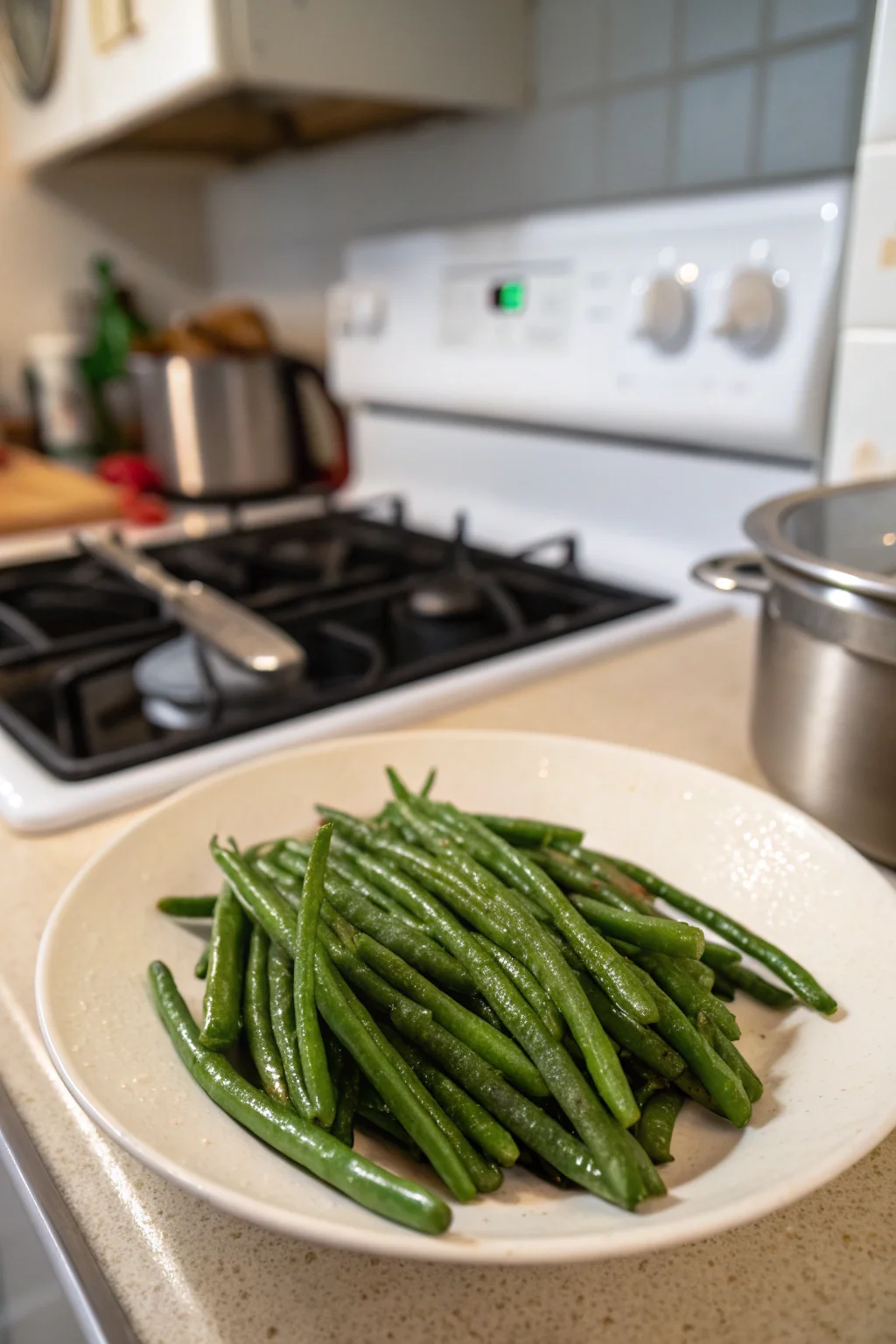
Haricot verts, also known as French green beans, are a versatile and delicious vegetable that can be a delightful addition to many dishes. If you’re new to preparing haricot verts or simply looking to refine your skills, this guide will answer all your questions about trimming and cooking these tender beans. Read on to discover simple tips and techniques to make the most of haricot verts in your kitchen.
What Are Haricot Verts?
Haricot verts are a type of green bean that are usually longer, thinner, and more tender than the common green bean. They are often preferred for their delicate flavor and crisp texture. Unlike the typical green bean, which can sometimes have a more robust, fibrous quality, haricot verts offer a refined experience that can stand out both as a side dish or as a component of an elegant entrée. Their subtle sweetness and fine texture make them a favorite in French cuisine and beyond. Whether you’re planning a simple side dish or an elegant entrée, haricot verts can elevate your culinary creation, adding sophistication and a touch of gourmet flair.
Do You Need to Trim Haricot Verts?
Yes, trimming haricot verts is typically necessary before cooking them. The ends of haricot verts, particularly the stem end, can be tough and fibrous. To trim them, simply:
- Snap off or cut the stem end with a knife.
- The tail end can be left intact for presentation purposes, but you can trim it if preferred.
Trimming ensures a more pleasant eating experience and allows the beans to cook evenly. Trimming might seem like a minor detail, but it significantly impacts the final texture and presentation of your dish. By removing the stem ends, you eliminate any potential toughness, ensuring that each bite is tender and enjoyable. Additionally, by leaving the tail ends on, you maintain a natural and elegant appearance, which is especially appealing in dishes where presentation matters. However, if you’re preparing a dish where uniformity is key, such as a casserole or a tightly packed salad, trimming both ends can provide a cleaner, more consistent look.
How Do You Trim Haricot Verts Quickly?
To efficiently trim haricot verts, gather a small handful, line up the ends, and cut them all at once with a sharp knife. This batch method is quicker than trimming each bean individually. Here’s a step-by-step guide:
- Rinse the beans under cold water to remove any dirt or pesticides. This step is essential to ensure that your haricot verts are clean and safe to eat.
- Line up the stem ends on a cutting board. Arranging them in a neat row helps ensure you cut them evenly, which is important for uniform cooking.
- Use a sharp knife to slice off the ends. A dull knife can crush the beans, so ensure your knife is sharp for a clean cut.
- Repeat with the tail ends if desired. This step is optional and depends on your presentation preference.
This method saves time and ensures uniformity in your dish. You can also use kitchen shears if you find them easier to handle than a knife, especially if you’re working with a larger batch of beans. The key is to maintain consistency so that all beans cook at the same rate, which will help prevent some beans from becoming overcooked while others remain undercooked.
What Are the Best Cooking Methods for Haricot Verts?
Haricot verts can be cooked using several methods, each bringing out different flavors and textures:
- Blanching: Boil them briefly and then plunge into ice water to maintain brightness and crunch. This method is particularly useful when preparing haricot verts for salads or as a pre-cooked ingredient in dishes that require further cooking.
- Sautéing: Quickly cook in a hot pan with a bit of oil or butter for a caramelized exterior. This method enhances the natural sweetness of the beans and adds a delightful nutty flavor.
- Steaming: Retain nutrients and achieve a tender texture by steaming. This gentle cooking method is perfect for those who prefer a pure and simple taste, as it allows the natural flavor of the beans to shine through.
- Roasting: Toss with olive oil, salt, and pepper, then roast for a slightly crispy texture. Roasting brings out a deeper, more complex flavor and is ideal for those who enjoy a bit of crispness in their vegetables.
These methods can be adapted based on your recipe and preference. Experimenting with different techniques can help you discover new dimensions of flavor and texture in haricot verts. For instance, adding a splash of balsamic vinegar or soy sauce during the sautéing process can introduce an entirely different taste profile, making your dish more dynamic and interesting.
How Long Should You Cook Haricot Verts?
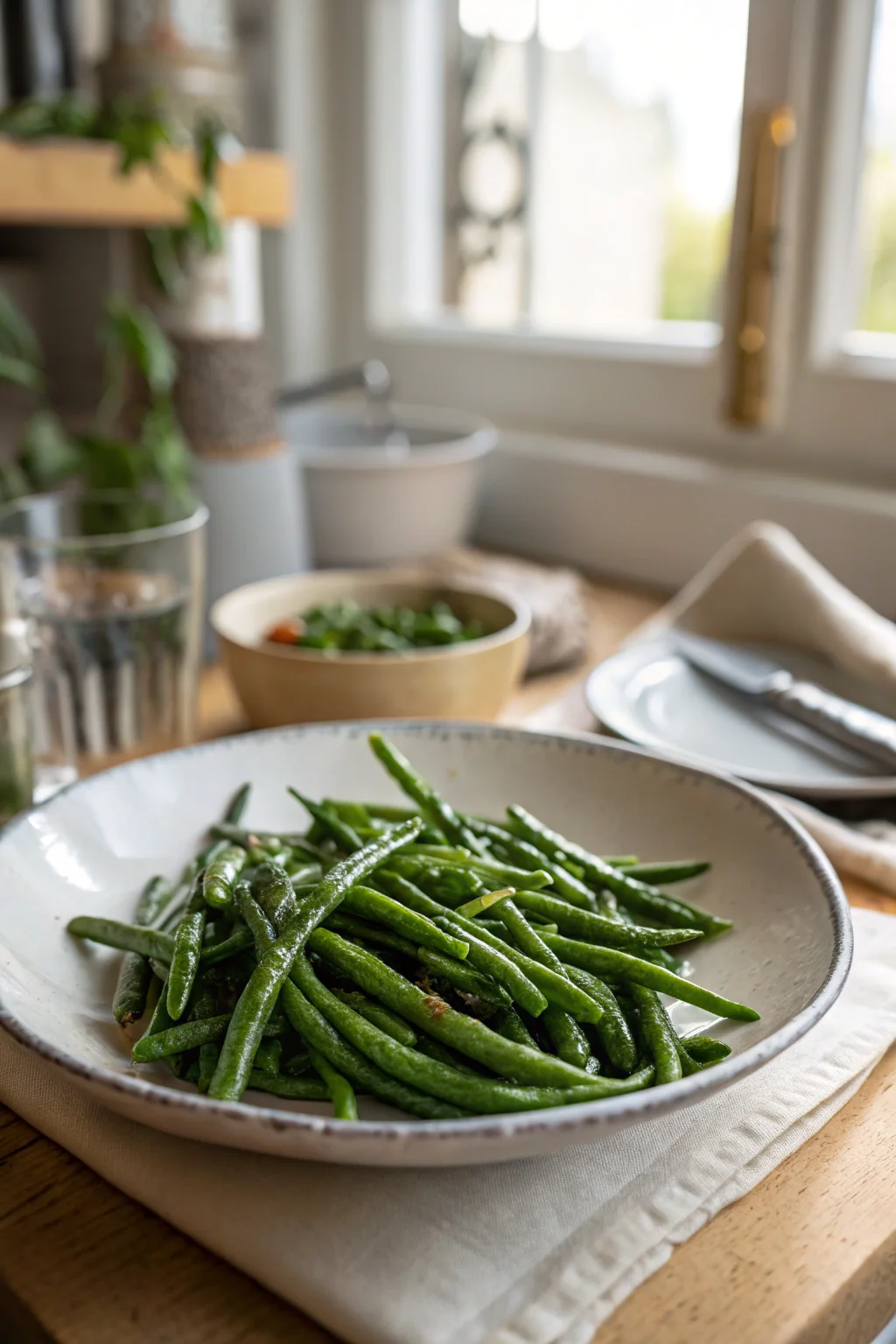
Cooking time for haricot verts depends on the method:
- Blanching: 2-3 minutes until bright green. It’s crucial not to over-blanch as this can lead to loss of color and crunch.
- Sautéing: 5-7 minutes for a tender-crisp texture. Stir frequently to ensure even cooking and prevent burning.
- Steaming: 4-5 minutes for a tender result. Test with a fork to ensure they have reached the desired tenderness.
- Roasting: 15-20 minutes at 400°F (200°C) for crispy edges. Toss occasionally to ensure even roasting.
Test the beans with a fork to ensure they are cooked to your liking. The cooking times listed are guidelines and can be adjusted based on personal preference. Some might prefer them slightly undercooked to retain more of the crunch and vibrant color, while others might enjoy a softer texture. Adjusting the cooking time allows you to tailor the beans to complement the other components of your dish perfectly.
Can You Eat Haricot Verts Raw?
Yes, haricot verts can be eaten raw. They make a crunchy and refreshing addition to salads and crudité platters. Just be sure to wash and trim them properly before serving raw. Raw haricot verts can add a delightful crunch and vibrant color to salads, providing a textural contrast that can elevate the overall eating experience. When serving raw, consider pairing them with a flavorful dip, such as hummus or a tangy vinaigrette, to enhance their natural flavor. Their crispness makes them an excellent choice for snacking or as part of a healthy appetizer spread.
What Flavors Pair Well with Haricot Verts?
Haricot verts have a mild flavor that pairs well with a variety of seasonings and ingredients:
- Citrus: Lemon or lime juice enhances their freshness. A simple squeeze of fresh citrus can brighten the dish and add a zesty, refreshing note that complements the beans’ natural sweetness.
- Garlic and Herbs: Garlic, thyme, and parsley add depth. These aromatics can be sautéed with the beans to infuse them with delicious, savory flavors.
- Nuts: Toasted almonds or hazelnuts offer a crunchy contrast. Adding nuts can introduce a rich, nutty flavor that pairs beautifully with the tender beans.
- Cheese: Parmesan or feta brings a savory richness. Sprinkling a bit of cheese over the cooked beans can add a touch of creaminess and enhance the overall flavor profile.
Experiment with these combinations to find your favorite flavor profile. For example, try tossing roasted haricot verts with toasted almonds and a drizzle of balsamic glaze for a sophisticated side dish that’s both flavorful and visually appealing.
Are Haricot Verts the Same as Green Beans?
While similar, haricot verts are a specific variety of green beans. They are usually more slender and tender than typical green beans, which can make them preferable in dishes where a delicate presentation is desired. For example, in a dish like a classic French Salad Niçoise, the fine texture and appearance of haricot verts can elevate the presentation and offer a more refined eating experience. For a deeper dive into the differences, check out our article on green beans.
How Do You Store Haricot Verts?
Store unwashed haricot verts in a plastic bag in the refrigerator. They can stay fresh for up to a week. Washing them before storage can lead to premature spoilage due to moisture. For longer storage, blanch and freeze them for up to 8 months. When storing in the refrigerator, consider placing a paper towel in the bag to absorb any excess moisture, which can help extend their freshness. Freezing them after blanching is an excellent way to preserve their color, flavor, and nutrient content, allowing you to enjoy them long after their peak season.
Can You Freeze Haricot Verts?
Yes, haricot verts freeze well. Blanch them first for about 2-3 minutes, then transfer to an ice-water bath. Pat dry, then place in a single layer on a baking sheet to freeze before transferring to a freezer bag. This process helps retain their texture and color. When you’re ready to use them, there’s no need to thaw beforehand; simply add them directly to your cooking process. This makes them a convenient option for quick weeknight meals, allowing you to enjoy the taste of fresh haricot verts year-round.
What Nutritional Benefits Do Haricot Verts Offer?
Haricot verts are low in calories and high in fiber, making them a healthy addition to your diet. They are a good source of vitamins A, C, and K, as well as folic acid and potassium. Eating haricot verts regularly can contribute to a balanced diet and support overall health. Their high fiber content aids in digestion and can help maintain a healthy weight. The vitamins and minerals found in haricot verts also support immune function, bone health, and cardiovascular health, making them a nutritious choice for anyone looking to improve their diet.
How Do You Prevent Haricot Verts from Becoming Soggy?
To avoid soggy haricot verts:
- Do not overcook: Follow recommended cooking times. Overcooking can lead to a mushy texture and dull color.
- Use ice water baths: After blanching, immediately plunge them into ice water to stop the cooking process. This technique, known as “shocking,” helps preserve the bright green color and crisp texture.
- Dry them thoroughly before cooking or freezing to avoid excess moisture. Moisture can lead to steaming rather than roasting or sautéing, which can result in a soggy texture.
These tips can help you achieve perfectly cooked haricot verts that maintain their delightful crunch. Additionally, when roasting, ensure the beans are spread out in a single layer on the baking sheet to allow for even cooking and browning.
What Are Some Popular Recipes Using Haricot Verts?
Haricot verts are versatile and can be included in a wide range of recipes. Some popular dishes include:
- Haricot Verts Almondine: Sautéed with almonds and butter. This classic dish highlights the nutty flavor of almonds and the buttery richness of the beans.
- Salad Niçoise: A classic French salad featuring haricot verts. The beans add a crisp texture and vibrant color to this composed salad.
- Garlic and Lemon Sautéed Haricot Verts: Simple yet flavorful. This dish is quick to prepare and pairs well with a variety of main courses.
For more recipe ideas, visit our recipe collection. Experimenting with different herbs, spices, and cooking methods can help you discover new and exciting ways to enjoy haricot verts.
Conclusion
Haricot verts are a delightful ingredient that can enhance any meal with their subtle flavor and crisp texture. By learning how to properly trim and cook them, you can easily incorporate them into your culinary repertoire. Whether you’re a novice or a seasoned cook, experimenting with different cooking methods and flavor pairings will allow you to enjoy haricot verts to their fullest. Enjoy exploring new recipes and savor the unique taste of these French green beans! With their versatile nature and numerous health benefits, haricot verts are sure to become a staple in your kitchen.
More on cakespedia.blog • Search “Do You Trim Haricot Verts? | A Complete Guide to Preparing and Cooking Haricot Verts”