
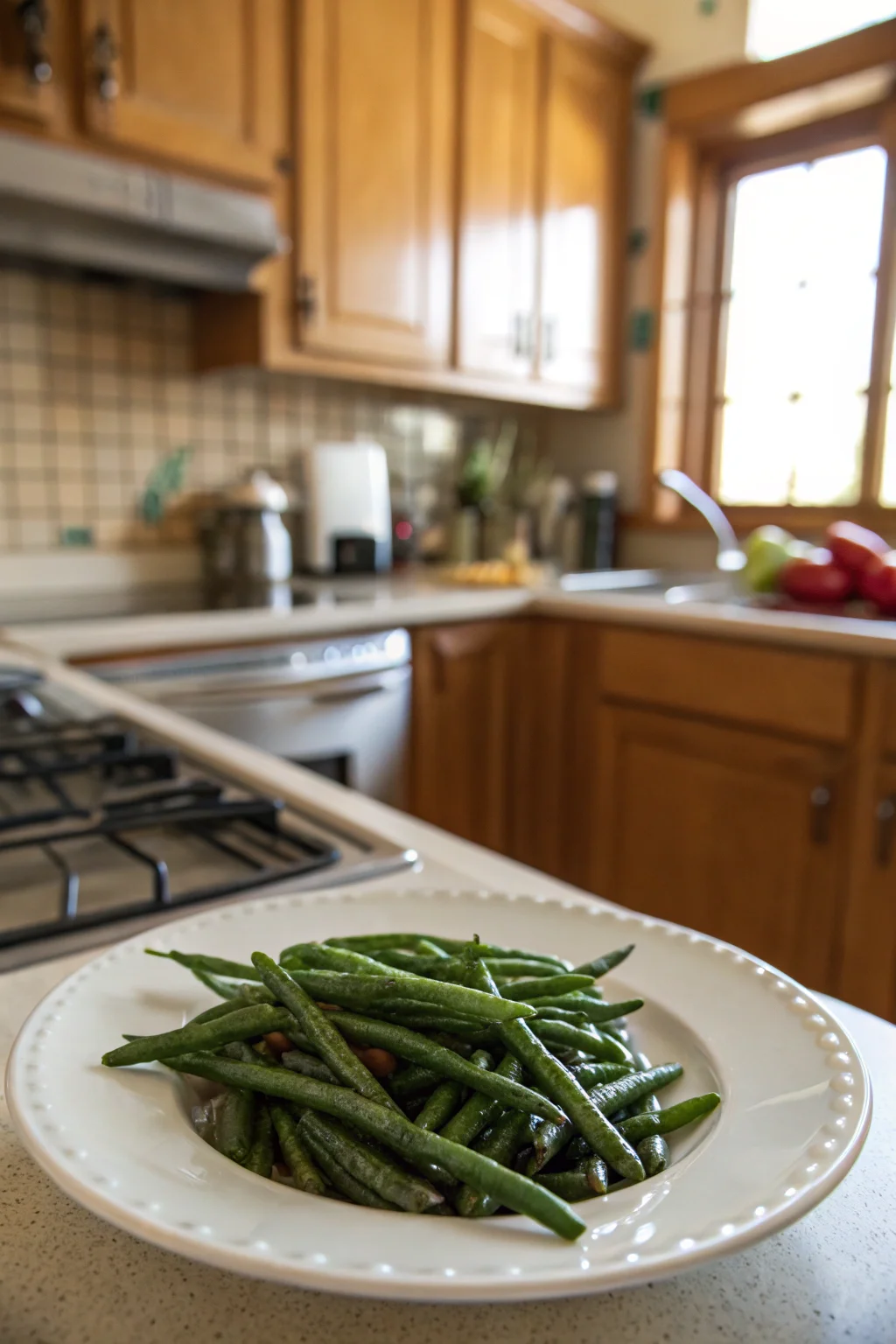
Learning how to pronounce “haricot verts” can be a bit tricky, but mastering it will help you sound knowledgeable and confident when talking about these delicious green beans. Whether you’re a foodie eager to expand your culinary vocabulary or simply love French cuisine, this guide will help you get it right. We’ll break down the pronunciation step by step and answer common questions to ensure you pronounce “haricot verts” perfectly every time.
What Is the Correct Pronunciation of “Haricot Verts”?
The correct pronunciation of “haricot verts” in French is “ah-ree-koh vehr.” Here’s a breakdown:
- “Haricot”: Pronounced “ah-ree-koh”
- “ah” as in “father”
- “ree” rhymes with “bee”
- “koh” as in “co”
- “Verts”: Pronounced “vehr”
- “vehr” rhymes with “air”
This pronunciation reflects the French origins of the term, emphasizing soft sounds and a smooth flow. Each syllable should be articulated clearly, with a gentle transition from one to the next, maintaining the elegance typical of the French language. The emphasis is evenly spread, avoiding harsh stresses that can alter the sound.
Why Is the Pronunciation of “Haricot Verts” Important?
Proper pronunciation elevates your culinary experience and shows respect for the culture and language of French cuisine. When you pronounce “haricot verts” correctly, you’re not just saying words; you’re conveying an appreciation for the tradition and artistry behind French cooking. It improves communication with chefs, waitstaff, and fellow food enthusiasts, enhancing your dining experience. Mispronouncing can lead to misunderstandings or appear disrespectful, especially in settings where French is a primary language. For instance, if you’re at a French restaurant and mispronounce a dish, it could lead to confusion about your order or even a different dish being served.
Furthermore, accurate pronunciation enriches your personal experience by connecting you more deeply with the food and its origins. It allows you to engage more confidently in conversations about cooking and dining, whether you’re at a gourmet restaurant or a casual dinner party. This small detail can enhance your credibility and make your culinary adventures more satisfying.
How Can I Practice the Pronunciation of “Haricot Verts”?
Practicing pronunciation involves a few simple steps:
- Listen to Native Speakers: Use online resources like Forvo to hear native pronunciations. Listening to native speakers is invaluable as it provides a model of the natural rhythm and intonation used in French.
- Repeat Aloud: Mimic the pronunciation by breaking it into syllables. Focus on the flow between syllables, ensuring your transitions are smooth and not abrupt.
- Record Yourself: Use a smartphone or computer to record and compare your pronunciation to ensure accuracy. Listen to your recording critically, noting any deviations from the native pronunciation.
- Practice with a Friend: Get feedback from someone who speaks French or is familiar with the language. Practicing with someone else can provide immediate feedback and help catch errors you might miss on your own.
Additionally, consider setting a small goal, like pronouncing “haricot verts” correctly three times in a row, to build confidence. You can also incorporate the word into sentences or phrases to practice using it in context, which can help reinforce your learning and make the pronunciation feel more natural.
Are There Common Mispronunciations of “Haricot Verts”?
Yes, common mispronunciations can include:
- “Harry-coat verts”: This anglicized version ignores the French vowel sounds, substituting them with more familiar English sounds. It can lead to confusion or misinterpretation by listeners familiar with the correct pronunciation.
- “Hairy-co vert”: A frequent error that alters both vowel and consonant sounds, leading to a pronunciation that sounds markedly different from the French original.
- To avoid these, focus on the soft “ah” and “koh” sounds in “haricot” and the “vehr” in “verts.”
A helpful tip is to slow down your speech when practicing. Speed can often lead to errors, especially when you’re still getting comfortable with the pronunciation. By taking your time, you allow yourself to focus on each syllable and sound, reducing the likelihood of slipping into incorrect habits.
What Are “Haricot Verts” and How Are They Used in Cooking?
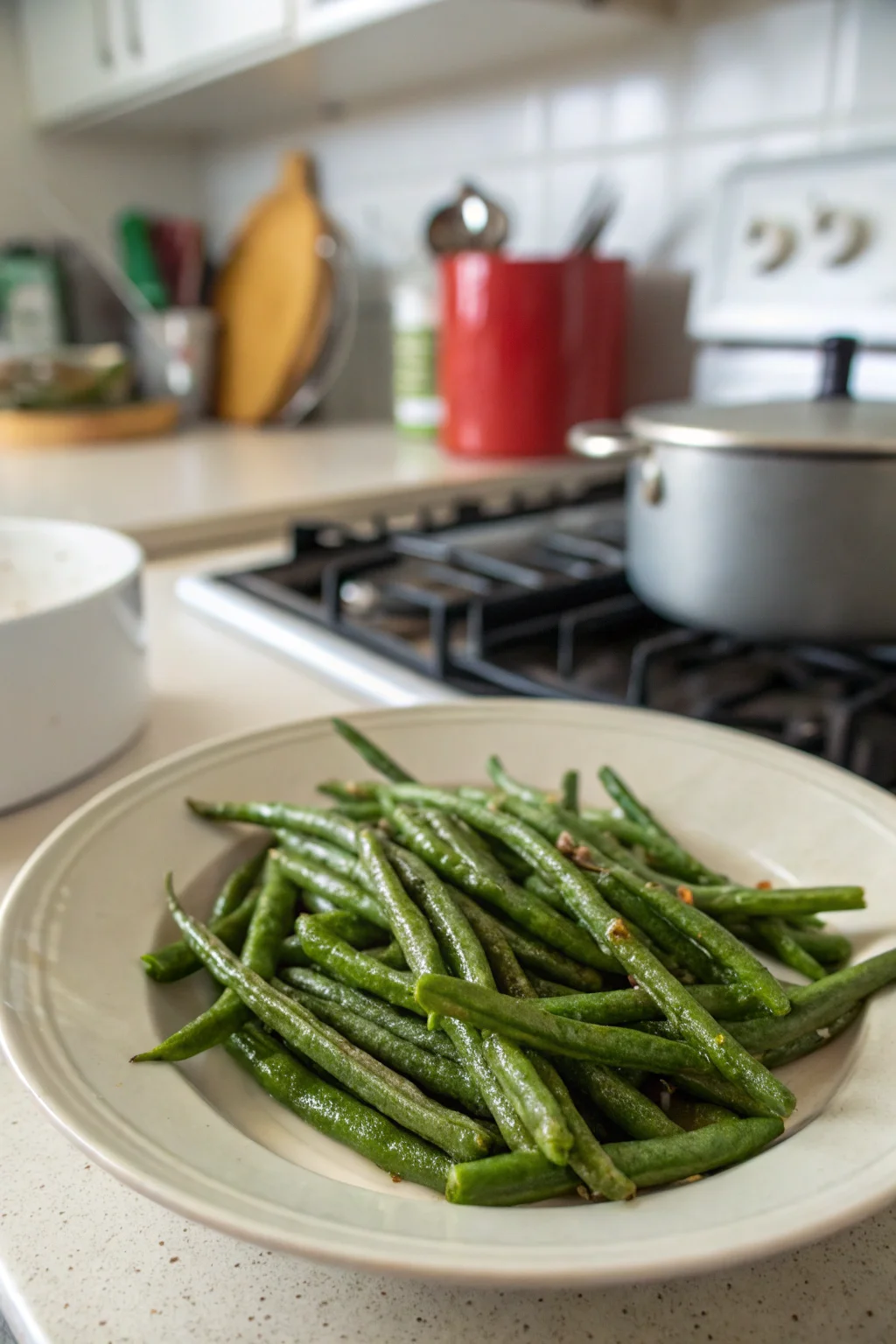
“Haricot verts” are a type of French green bean known for their slender shape and tender texture. They are often used in French cuisine and can be prepared in various ways:
- Steamed or Sautéed: Retains their flavor and texture, making them a healthy and simple side dish. When steaming, consider adding a pinch of salt or a squeeze of lemon juice to enhance their natural flavor.
- In Salads: Adds a crisp component. They pair well with fresh tomatoes, olives, and a light vinaigrette, creating a refreshing and colorful salad.
- As a Side Dish: Complements main courses like roasted meats or fish. For a classic French touch, sauté them with a bit of garlic and butter, or toss them with toasted almond slivers for a nutty crunch.
For more ideas, check out our article on French Side Dishes. These versatile beans can also be blanched and then quickly cooled in ice water to preserve their bright color and crisp texture, making them ideal for cold dishes.
How Do “Haricot Verts” Differ from Regular Green Beans?
“Haricot verts” are typically:
- Thinner and Longer: More delicate than regular green beans. Their slender shape allows for a more elegant presentation on the plate, often making them the preferred choice for gourmet dishes.
- More Tender: Often have a finer taste and texture, making them ideal for dishes that require a more refined flavor profile.
- More Expensive: Due to their specific growing conditions and culinary status. Their cultivation often requires more meticulous care, contributing to their premium price.
Understanding these differences can help you choose the right type for your dish. While regular green beans are perfect for hearty, rustic dishes, “haricot verts” may be better suited to recipes where their subtle flavor and tender texture can shine.
Can I Substitute Regular Green Beans for “Haricot Verts”?
Yes, you can substitute regular green beans, but keep in mind:
- Cooking Time: Regular green beans may require longer cooking. Monitor them closely to avoid overcooking, which can lead to a mushy texture.
- Texture and Flavor: They may not be as tender or delicate as “haricot verts.” If using them in a salad, consider blanching to preserve their crispness.
- Availability: Regular green beans are often easier to find and more affordable, making them a convenient substitute in many recipes.
When substituting, consider the dish’s overall flavor profile and texture to ensure your substitution maintains the intended balance. For example, in a delicate dish like a Niçoise salad, you may prefer to stick with “haricot verts” for their superior texture and appearance.
Where Can I Find “Haricot Verts”?
“Haricot verts” can be found at:
- Specialty Grocery Stores: Like Whole Foods or Trader Joe’s, which often stock them due to their popularity in upscale and health-conscious circles.
- Farmers Markets: Often offer fresh, locally sourced options. Shopping at farmers markets can also provide an opportunity to ask vendors about their growing practices and storage recommendations.
- Online Retailers: Websites like Amazon Fresh may carry them, providing a convenient option for those who prefer online shopping or cannot find them locally.
When purchasing “haricot verts,” look for beans that are firm, vibrant in color, and free from blemishes or spots. Freshness is key to ensuring the best texture and flavor in your dishes.
How Do I Store “Haricot Verts” Properly?
To store “haricot verts” effectively:
- Refrigerate: Keep them in a plastic bag in the crisper drawer to maintain their moisture and crispness.
- Use Within a Week: They are freshest within 3-7 days of purchase. Plan your meals accordingly to make the most of their delicate flavor.
- Avoid Washing Before Storage: Moisture can promote spoilage. Instead, wash them just before use to prevent them from becoming slimy or developing mold.
For extended storage, consider blanching and freezing them. This method preserves their color and texture, allowing you to enjoy them even when they’re out of season.
Are There Any Health Benefits to Eating “Haricot Verts”?
Yes, “haricot verts” offer several health benefits:
- Low in Calories: Great for weight management, allowing you to enjoy them freely without worrying about excessive calorie intake.
- High in Vitamins: Rich in vitamins A, C, and K, which support immune function, skin health, and bone strength.
- Source of Fiber: Supports digestive health by promoting regular bowel movements and a healthy gut microbiome.
Incorporate them into a balanced diet to take advantage of these benefits. They’re also a good source of folate, which is important for cellular function and tissue growth, making them particularly beneficial for pregnant women.
How Is “Haricot Verts” Used in French Cuisine?
In French cuisine, “haricot verts” is used in:
- Niçoise Salad: A classic French salad that combines green beans with tuna, hard-boiled eggs, olives, and tomatoes. The beans add a crisp texture that balances the richness of the tuna and eggs.
- Green Bean Almondine: Sautéed with almonds and butter, this dish highlights the nutty flavor of the almonds while allowing the delicate beans to shine.
- Soups and Stews: Adds texture and flavor, often used in hearty dishes like ratatouille or Provençal vegetable stews.
For more on French cooking, see our guide to Classic French Recipes. Whether featured as a main ingredient or a supporting player, “haricot verts” bring elegance and flavor to a wide range of dishes.
What Are Some Popular Dishes Featuring “Haricot Verts”?
Popular dishes include:
- Haricot Verts with Shallots: Sautéed with shallots and olive oil, offering a simple yet flavorful side dish. The sweetness of the shallots complements the fresh taste of the beans.
- Roasted Haricot Verts: With garlic and lemon zest, this dish is perfect for showcasing the beans’ natural flavor with a hint of citrus and spice.
- Haricot Verts with Bacon: A savory side dish that combines the crispness of the beans with the smoky richness of bacon, creating a delightful contrast.
Explore different recipes to find your favorite way to enjoy “haricot verts.” Their versatility makes them suitable for everything from casual family dinners to sophisticated dinner parties.
Conclusion
Mastering the pronunciation of “haricot verts” enriches your culinary vocabulary and enhances your dining experiences. By understanding their unique qualities and uses in cooking, you’ll be able to fully enjoy these delightful green beans. Whether you’re cooking a French meal at home or dining out, you’ll impress others with your knowledge and pronunciation. For more on French culinary terms, check out our French Cuisine Glossary. With practice and appreciation for these fine beans, you’ll find that “haricot verts” can become a staple in your culinary repertoire, offering a touch of French elegance and a delightful dining experience.