Smash burgers have taken the culinary world by storm, cherished for their crispy edges and juicy centers. But what exactly makes a burger a “smash” burger? In this guide, we’ll dive into the key characteristics and techniques that define this delicious style of burger. Whether you’re a home cook looking to perfect your smash burger technique or simply curious about what sets them apart, we’ve got you covered.
What Is a Smash Burger?
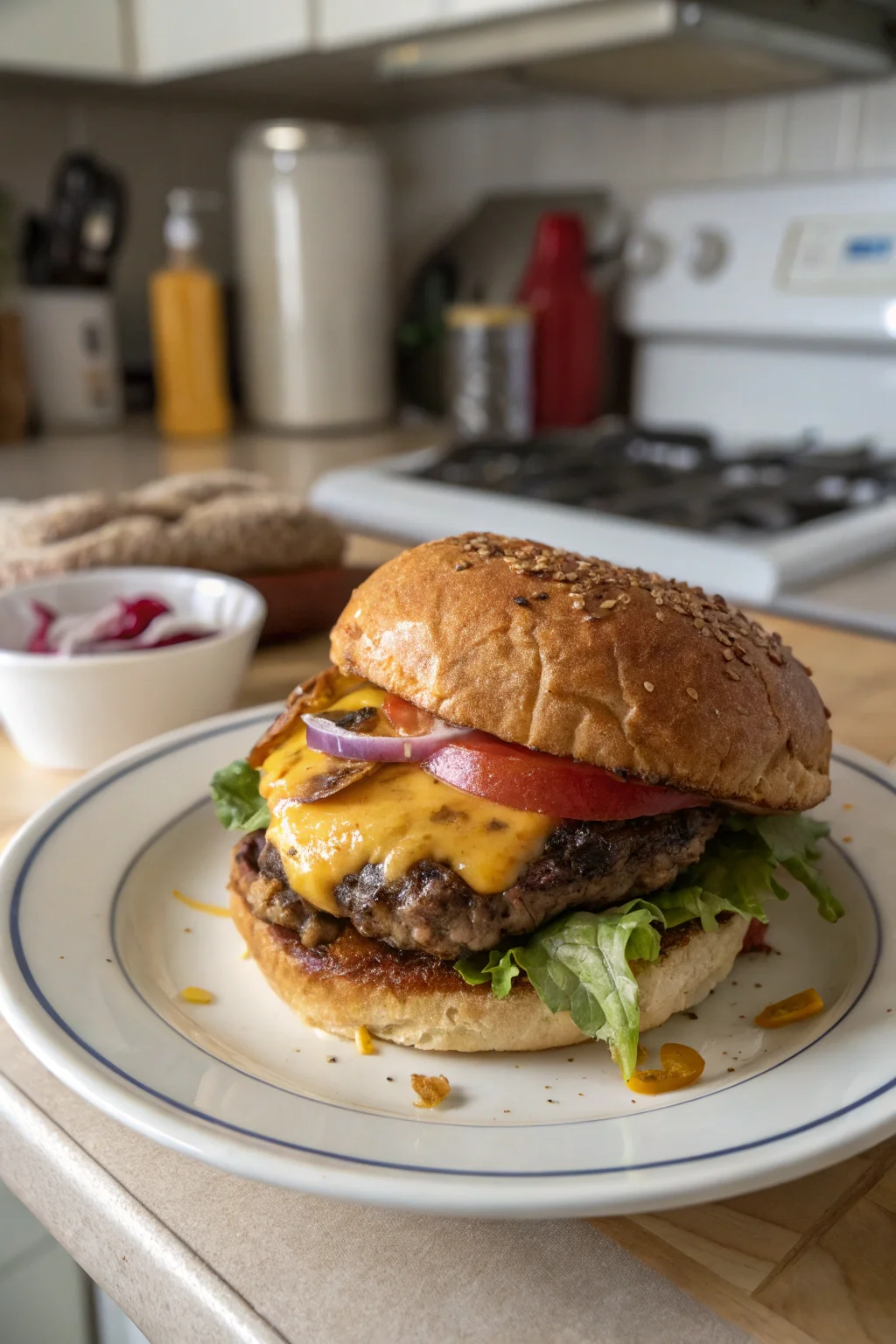
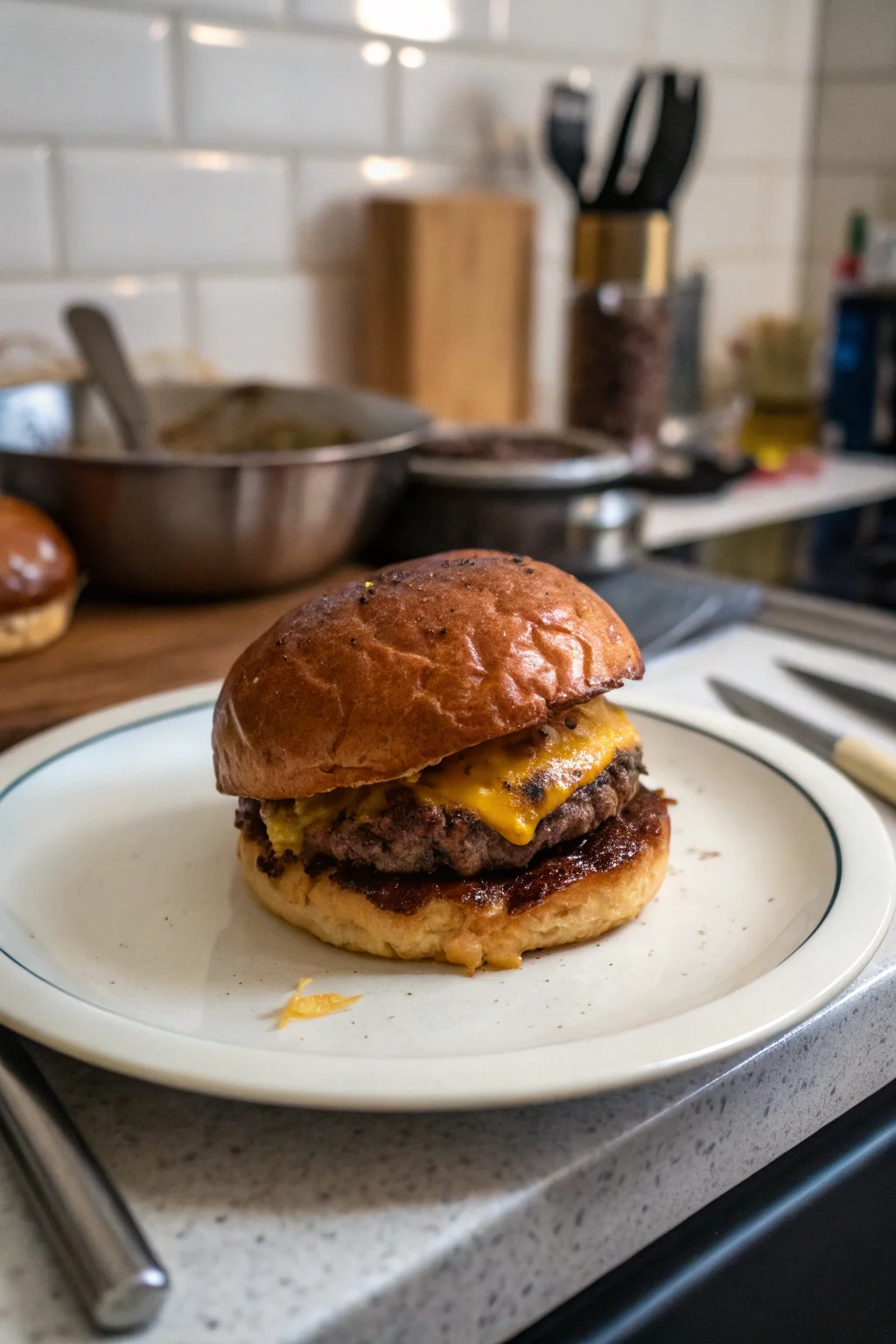
A smash burger is a type of burger characterized by its cooking technique. Unlike traditional burgers, where the beef patty is shaped and then cooked, a smash burger is made by placing a ball of ground beef onto a hot griddle or skillet and pressing it down with a spatula to create a wide, thin patty. This method causes the meat to spread out, maximizing the surface area that comes into contact with the heat. The result is a patty with crispy, caramelized edges and a juicy center. This technique enhances both the flavor and texture of the burger, making it distinct from traditional, thicker patties.
The essence of a smash burger lies in its simplicity and the science behind cooking meat. By increasing the meat’s surface area, you allow more of it to undergo the Maillard reaction — a chemical reaction between amino acids and reducing sugars that gives browned foods their distinctive flavor. This is why smash burgers are often touted for their intense beefy flavor and appealing texture, making them a favorite among burger enthusiasts.
Why Are Smash Burgers So Popular?
Smash burgers are popular due to their unique texture and flavor profile. The smashing process creates a delicious Maillard reaction, which is a chemical reaction that occurs when proteins and sugars in the meat are exposed to high heat, resulting in a crispy crust. This crust not only adds a satisfying crunch but also packs a punch of flavor that is often missing in more traditional burger styles.
In addition to their taste, smash burgers are also popular because they cook quickly. Their thinness allows them to be cooked in a matter of minutes, making them a fast and satisfying meal option. This makes them particularly appealing for busy weeknights or when hosting a barbecue where you need to serve a crowd quickly. The speed with which you can cook a smash burger doesn’t compromise its quality, ensuring that each bite is just as delicious as the last.
Moreover, the versatility of smash burgers adds to their popularity. They can be customized with a variety of toppings and sauces, allowing for endless combinations. Whether you prefer a classic cheeseburger with lettuce, tomato, and pickles, or a more adventurous creation with avocado and spicy mayo, the smash burger can accommodate any palate. This flexibility makes it a favorite among both home cooks and chefs looking to put their own spin on a classic.
How Do You Smash a Burger Correctly?
To smash a burger correctly, follow these steps:
Preheat your skillet or griddle: Use medium-high heat to ensure it’s hot. A properly preheated skillet is crucial for achieving the desired crust. You want the surface to be hot enough so that the meat sizzles the moment it touches the pan. A cast-iron skillet or griddle is ideal due to its ability to retain heat evenly.
Use a ball of ground beef: Typically, 2-3 oz. per patty works well. This size is perfect for creating a patty that is thin enough to cook quickly yet substantial enough to remain juicy. Roll the ground beef lightly into a ball, avoiding compressing it too much to maintain tenderness.
Place the meat on the skillet: After the skillet is hot, place the ball of beef in the center. Ensure there is enough space around it to spread when you smash.
Smash immediately: Using a sturdy spatula or burger press, press down firmly to flatten the meat. Do this within the first few seconds of the beef hitting the skillet to ensure the best crust formation. The pressure should be firm and even, spreading the meat to about a quarter-inch thickness.
Season generously: Once smashed, immediately sprinkle salt and pepper on the exposed side. Seasoning at this stage allows the flavors to penetrate the meat as it cooks.
Cook for 2-3 minutes: Let the first side cook without moving it to develop a crust. Resist the urge to move or press down on the patty further, as this will cause the juices to escape.
Flip and finish: Flip the patty, add cheese if desired, and cook for another minute. The second side requires less time since the patty is thin. If you’re adding cheese, do it right after flipping to allow it to melt perfectly over the patty.
What Type of Beef Is Best for Smash Burgers?
For the best smash burgers, choose beef with a higher fat content, such as 80/20 ground beef. This means that the meat is 80% lean and 20% fat. The higher fat content is crucial for two reasons: it helps create a juicy patty and contributes to the crispy edges during cooking. The fat renders during cooking, basting the meat and adding flavor.
Freshly ground beef is often preferred for its superior texture and flavor. If you have the means, consider grinding your own meat. This allows you to control the fat content and the cut of beef used. Chuck is a popular choice for its balance of flavor and fat, but you can experiment with other cuts like brisket or short rib for a more complex flavor profile.
When selecting beef, look for meat that is bright red in color and has visible flecks of white fat. This indicates freshness and the right fat content. Avoid pre-packaged patties, as they are often too tightly packed and won’t deliver the same texture as freshly ground or hand-formed beef.
What Equipment Do You Need to Make Smash Burgers?
To make smash burgers, you’ll need:
- A heavy-duty skillet or griddle: Cast iron is preferred for its ability to hold and distribute heat evenly, which is essential for a good sear.
- A sturdy spatula or burger press: A metal spatula with a thin edge is ideal, as it allows you to get under the patty easily for flipping. A burger press can also be useful for ensuring an even smash.
- Ground beef with a high-fat content: As discussed, 80/20 ground beef is ideal.
- Salt and pepper for seasoning: These are the basic seasonings, but you can also experiment with other spices for added flavor.
Optional equipment includes a meat grinder for fresh beef, which allows you to customize the cut and fat content, and a cheese slicer for adding uniform slices of cheese to your burgers. A digital thermometer can also be handy for ensuring your meat is cooked to the desired doneness.
For more information on kitchen tools that can elevate your cooking, check out our guide on essential kitchen tools.
How Long Should You Cook Smash Burgers?
Smash burgers cook quickly due to their thinness. Typically, they need about 2-3 minutes per side. The key is to let the first side cook undisturbed to create a crisp crust, which is the hallmark of a good smash burger. Moving the patty around or pressing it again after the initial smash can prevent the crust from forming properly.
Once you’ve flipped the burger, the second side needs only about a minute to finish cooking. If you’re adding cheese, place it on the patty immediately after flipping to allow it to melt thoroughly. Keep an eye on the burgers to avoid overcooking, as this can dry them out.
Using a meat thermometer can help you gauge doneness if you’re unsure. Aim for an internal temperature of 160°F for well-done, which is generally recommended for ground beef to ensure safety.
Can You Make Smash Burgers on a Grill?
Yes, you can make smash burgers on a grill, although it’s a bit more challenging to get the same crust as on a skillet. The open flames of a grill can cause the juices to drip away, potentially leading to a drier patty. To mimic the stovetop effect and retain the juices, use a cast iron griddle or skillet on the grill.
Preheat the grill with the griddle for at least 10-15 minutes to ensure it’s hot enough. Once hot, follow the same smashing technique as you would on the stovetop. The griddle will provide the flat, hot surface needed to create the crispy crust that defines a smash burger.
One advantage of using a grill is the ability to impart a smoky flavor to the burger, which can add another layer of complexity to the taste. Just ensure that the griddle or skillet is positioned to get direct heat for the best results.
What’s the Best Cheese for Smash Burgers?
American cheese is a popular choice for smash burgers due to its excellent meltability and creamy texture. It melts quickly and evenly, coating the patty in a layer of gooey deliciousness that complements the crispy texture of the burger.
Other good options include cheddar, Swiss, or pepper jack. Cheddar offers a sharp, tangy flavor that pairs well with beef, while Swiss provides a mild, nutty taste. Pepper jack adds a kick of spice for those who enjoy a bit of heat.
When selecting cheese, choose slices rather than blocks for even melting. Avoid cheeses that are too hard or crumbly, as they won’t melt as well. The goal is for the cheese to envelop the patty, enhancing each bite with its flavor and texture.
Are Smash Burgers Healthier?
Smash burgers aren’t necessarily healthier than traditional burgers, as they often use fattier cuts of beef for flavor. However, you can make them healthier by using leaner beef, such as 90/10 ground beef, which has less fat. Keep in mind that using leaner beef may affect the juiciness and flavor, so balance is key.
Choosing whole grain buns and adding a variety of vegetables can also boost the nutritional value. Toppings like lettuce, tomato, cucumber, and avocado provide vitamins and minerals, while also adding texture and freshness.
Remember to enjoy smash burgers in moderation as part of a balanced diet. Consider serving them with a side of salad or sweet potato fries to round out the meal with more nutritious options.
How Do You Serve Smash Burgers?
Serve smash burgers on soft buns, often toasted for added texture. Toasting the buns gives them a crispy edge that helps hold up against the juicy patty and toppings, preventing the dreaded soggy bun.
Popular toppings include:
- Lettuce, tomato, and onion: These classic toppings add freshness and crunch.
- Pickles: Their tanginess cuts through the richness of the beef and cheese.
- Special sauce or mayonnaise: A creamy sauce provides a contrasting texture and flavor. Try mixing mayo with ketchup and a dash of hot sauce for a simple yet delicious spread.
- Cheese slices: As mentioned, American cheese or your preferred variety can enhance the burger’s flavor.
Customize your toppings based on personal preference and dietary needs. For more burger topping ideas and inspiration, visit our guide.
Can Smash Burgers Be Made in Advance?
While you can prepare the components in advance — such as shaping the beef balls and slicing toppings — smash burgers are best cooked fresh. Cooking them to order ensures the crispiest edges and juiciest centers, which are key to a great smash burger experience.
If necessary, you can keep cooked patties warm in a low oven (around 200°F) for a short time. However, be cautious not to leave them for too long, as they may continue to cook and become dry.
For gatherings, consider having everything prepped and ready to go, so you can quickly cook and serve the burgers fresh. This will ensure that your guests enjoy them at their best.
What’s the History of Smash Burgers?
The smash burger technique dates back to the 1920s when roadside diners began experimenting with different cooking methods to create quick, delicious meals. During this time, the demand for fast food was rising, and cooks sought ways to serve flavorful meals quickly.
The technique of smashing burgers emerged as a way to maximize flavor in a short cooking time. By increasing the surface area of the meat, more of it could be browned efficiently, enhancing the flavor through the Maillard reaction. This method has since gained popularity worldwide, celebrated for its simplicity and flavor.
Smash burgers have seen a resurgence in recent years, with many restaurants and food trucks adopting the technique to create gourmet versions of this humble classic. Their enduring appeal lies in the perfect balance of simplicity, speed, and flavor. For more on the history of burgers and how they evolved into a global phenomenon, visit Smithsonian Magazine.
What Are Common Mistakes When Making Smash Burgers?
Common mistakes include:
- Not using enough heat: The skillet must be hot to create the crust. If the temperature is too low, the meat will steam instead of sear, resulting in a soggy patty.
- Overcrowding the pan: This can cause the temperature to drop, preventing the burgers from developing a proper crust. Cook in batches if necessary to ensure each patty has enough space.
- Pressing after the initial smash: Only smash once to prevent losing juices. Pressing again will force out the flavorful juices, leading to a dry burger.
- Using too lean beef: This can result in a dry patty. While it’s possible to use leaner beef, you may need to adjust cooking methods or add moisture through sauces and toppings.
Avoid these mistakes to achieve the perfect smash burger every time. By mastering the technique and understanding the science behind it, you can create a burger that’s crispy, juicy, and full of flavor.
Wrap-Up
Embracing the art of the smash burger can transform your burger-making game, offering a crispy, flavorful alternative to traditional patties. With the right technique and ingredients, you can enjoy this culinary delight at home. Experiment with toppings and sides to find your perfect combination. The versatility and simplicity of smash burgers make them a beloved choice for many, from casual family dinners to gourmet offerings. Happy smashing!
More on cakespedia.blog • Search “What Makes Something a Smash Burger? The Ultimate Guide to the Perfect Crispy Burger”