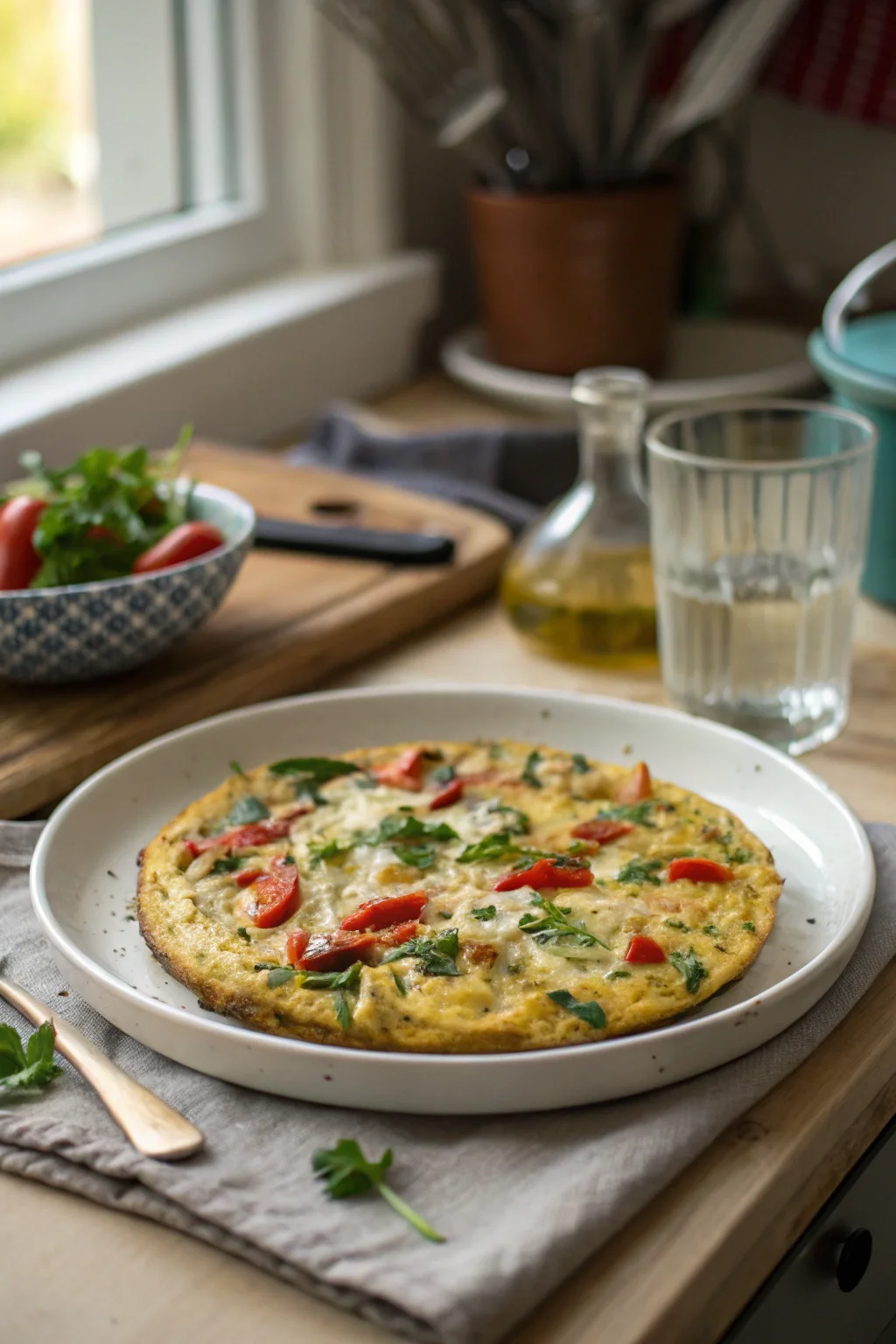
Chicken Fritta is a popular dish loved by many for its crispy texture and savory flavor. Whether you enjoy it as part of a meal at your favorite restaurant or make it at home, understanding its nutritional content is essential for mindful eating. This guide will answer common questions about Chicken Fritta, focusing on its calorie content and other nutritional aspects. Let’s dive into the details!
What Is a Chicken Fritta?
Chicken Fritta typically refers to breaded and fried chicken cutlets. It is often served with pasta, vegetables, or salads. The frying process gives it a crispy exterior, making it a delicious choice for many. However, the nutritional content can vary based on preparation methods and ingredients. The breading provides a crunchy texture while the tender chicken inside remains juicy and flavorful. The dish can be seasoned in various ways, allowing for a wide range of taste profiles from spicy to herb-infused, depending on personal preference.
In its most basic form, Chicken Fritta is straightforward, but it can be elevated with sophisticated marinades and a variety of spices to suit different culinary traditions. For instance, an Italian version might be seasoned with oregano and basil, whereas a more Southern-inspired version could incorporate cayenne pepper and paprika for a bit of heat. The flexibility in seasoning means that the dish can be adapted to suit a wide range of palates, making it a versatile favorite for home cooks and chefs alike.
How Many Calories Are in a Typical Serving of Chicken Fritta?
The calorie content of Chicken Fritta can vary significantly depending on the portion size and preparation. On average, a typical serving might contain between 400 to 600 calories. The variation is due to factors like the thickness of the chicken, the amount of breading, and the type of oil used for frying. For instance, using heavier oils like canola or vegetable oil may increase calorie content compared to lighter oils like olive oil. Additionally, the calorie count can rise if the chicken is double-breaded, a common technique for achieving extra crispiness.
For those counting calories, it’s crucial to consider not only the main components but also any additions such as sauces or sides. A creamy sauce or a side of buttery pasta can substantially increase the caloric content of the meal. Furthermore, portion control plays an important role. A restaurant-sized portion might be significantly larger than one prepared at home, leading to a higher calorie intake. If you’re mindful of calories, consider sharing a portion or saving half for later.
What Are the Main Ingredients in Chicken Fritta?
The core ingredients in Chicken Fritta include:
- Chicken breast or cutlets: A lean source of protein, often selected for its tenderness and ability to hold flavors from marinades and seasonings well.
- Flour or breadcrumbs: Used for breading; provides the crispy outer layer.
- Eggs for coating: Helps the breading adhere to the chicken.
- Seasonings such as salt, pepper, and garlic powder: Enhance flavor; can be adjusted to suit personal taste.
- Oil for frying: Affects taste and texture; healthier oils can reduce unhealthy fat content.
Each ingredient contributes to the overall calorie content. Healthier versions might use whole wheat breadcrumbs or bake the chicken instead of frying. Adjusting these ingredients can also impact the nutritional profile significantly; for instance, adding herbs and spices like paprika or thyme can enhance flavor without adding calories.
Experimenting with different breading mixtures can provide a unique twist on this classic dish. For example, mixing breadcrumbs with grated Parmesan cheese or finely chopped herbs like parsley can add depth of flavor and a touch of sophistication. Additionally, considering alternative coatings such as crushed nuts or seeds can provide a pleasant crunch while offering additional nutrients.
How Does the Cooking Method Affect Calorie Content?
The cooking method significantly impacts the calorie content. Fried Chicken Fritta typically contains more calories due to the oil absorption during frying. Baking or air-frying the chicken can reduce calorie intake, as these methods use less or no oil. When baking, you can line your baking sheet with parchment paper or use a non-stick spray to further minimize the need for extra oil. Air frying offers the added benefit of circulating hot air around the chicken, creating a crispy exterior similar to frying but with a fraction of the oil. These methods can cut fat content by up to 70%, making them excellent choices for those looking to enjoy Chicken Fritta without the added calories.
For those with a deep love for frying, it’s worth exploring oils that have a higher smoke point and are considered healthier, such as avocado oil. These oils can withstand higher temperatures without breaking down, which not only affects the flavor but also the nutritional quality of the food. Another tip is to ensure the oil is heated to the right temperature before adding the chicken, as this minimizes the amount of oil absorbed during cooking, resulting in a lighter dish.
Are There Healthier Alternatives to Traditional Chicken Fritta?
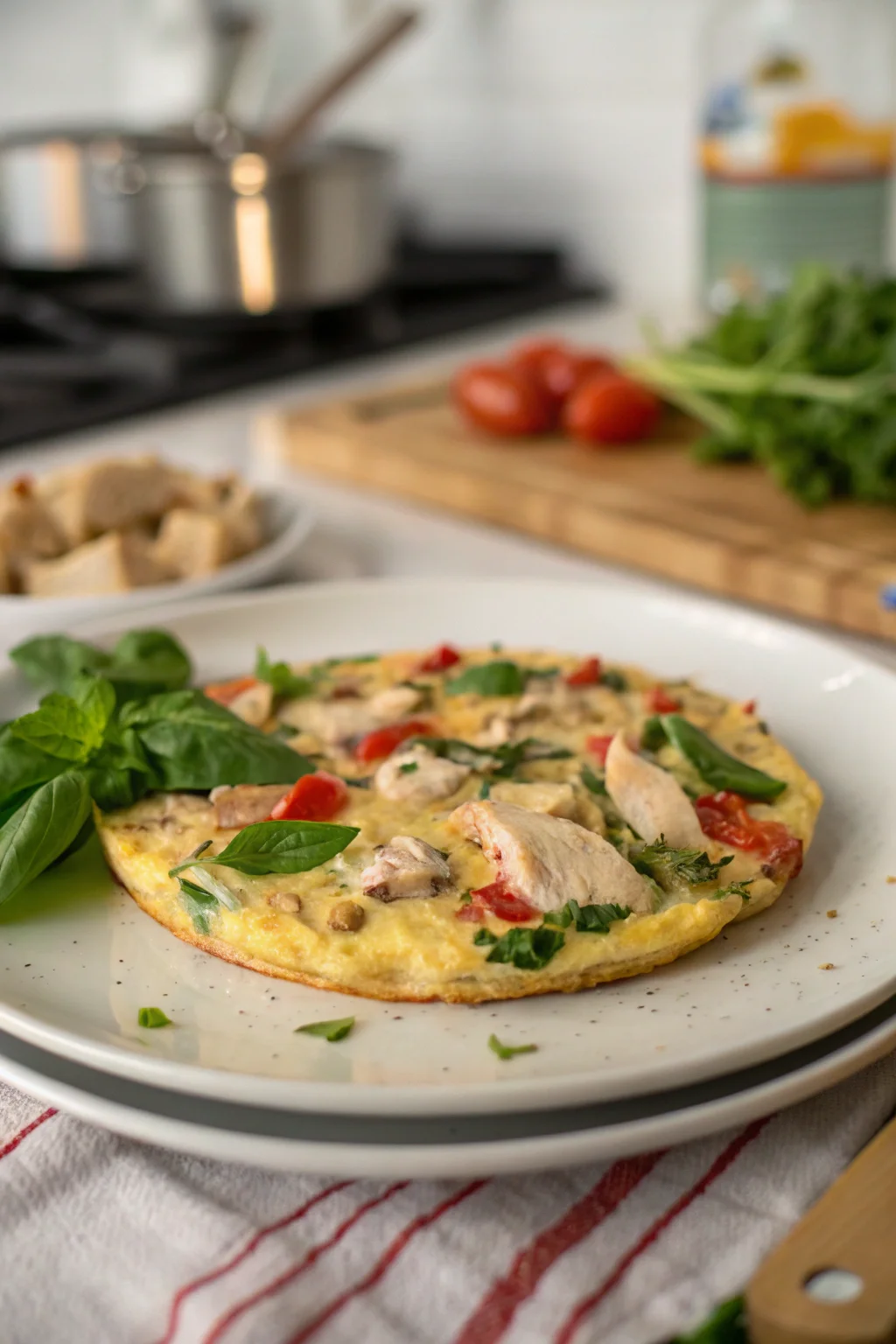
Yes! Consider these alternatives:
- Baked Chicken Fritta: Use less oil by baking in the oven. Preheat your oven to 400°F (200°C) and bake the chicken on a wire rack to allow air circulation for even cooking.
- Air-Fried Chicken Fritta: Achieve crispiness without deep frying. Preheat the air fryer to 375°F (190°C) and cook for about 15-20 minutes, flipping halfway through for even crispiness.
- Whole Wheat or Gluten-Free Bread Crumbs: Opt for a healthier breading option. Whole wheat breadcrumbs add fiber, while gluten-free options cater to dietary restrictions.
These alternatives can lower calorie counts and reduce unhealthy fat intake. Additionally, experimenting with different herbs and spices can provide variety and enhance flavor without adding extra calories.
For those on a low-carb diet, consider using almond flour or crushed pork rinds as a breading alternative. These options can give a similar crispy texture without the carbohydrates found in traditional breadcrumbs. Additionally, incorporating flaxseed or chia seeds can boost the nutritional content by adding omega-3 fatty acids and fiber.
What Is the Nutritional Breakdown of Chicken Fritta?
Beyond calories, Chicken Fritta contains:
- Protein: Essential for muscle repair and growth. Chicken breast is particularly high in protein, making it a great choice for those looking to increase their protein intake.
- Fats: Varies based on frying method. Frying increases fat content significantly; however, baking or air-frying with minimal oil keeps fat levels lower.
- Carbohydrates: Mostly from breading. Opting for lighter breading or alternative coatings like crushed nuts can reduce carbohydrate content.
- Sodium: Levels can be high, depending on seasoning. To control sodium intake, consider using herbs and spices as alternatives to salt.
It’s important to consider these factors, especially if you’re watching your intake of fats and sodium. Reading labels on pre-packaged ingredients or asking for nutritional information when dining out can provide better insight into your dietary intake.
For a more balanced nutritional profile, you can accompany Chicken Fritta with nutrient-dense sides such as quinoa or brown rice, which add fiber and essential minerals to your meal. Including a side of leafy greens or a colorful vegetable medley not only enhances the visual appeal of the dish but also provides vital vitamins and antioxidants.
How Can I Make a Lower-Calorie Version of Chicken Fritta at Home?
To make a healthier version at home:
- Bake Instead of Fry: Use parchment paper to prevent sticking and a light spray of oil to enhance browning.
- Use an Air Fryer: For a crispy texture without excess oil. Experiment with different cooking times and temperatures to achieve your desired level of crispiness.
- Opt for Lean Cuts: Skinless chicken breast is a great choice. Pound the chicken to an even thickness to ensure even cooking, which also helps retain moisture.
- Limit Breading: Use a thin layer to reduce carbs and calories. Try using panko breadcrumbs for a lighter, crispier coating.
These tips can help you enjoy a delicious meal while maintaining a balanced diet. Additionally, incorporating fresh herbs and citrus zest into the breading can enhance flavor without adding unhealthy elements.
For those who enjoy a bit of zest, try marinating the chicken in lemon juice and fresh herbs before breading. This not only adds flavor but also tenderizes the chicken, resulting in a juicier final product. Additionally, a light dusting of smoked paprika or chili powder can add a smoky depth without the need for extra salt or fat.
Does the Sauce Affect the Calorie Count?
Yes, adding sauces can significantly increase calories. Creamy sauces like Alfredo can add hundreds of calories due to high fat and dairy content, while tomato-based sauces are usually lighter and can add beneficial nutrients like lycopene. Always check the nutritional information if available, or consider making your own healthier sauce at home. Simple alternatives include using Greek yogurt as a base for creamy sauces or enhancing flavor with fresh herbs and lemon juice.
Creating your own sauce allows you to control the ingredients and adjust the flavor to your liking. For instance, a homemade pesto made with fresh basil, garlic, lemon juice, and a touch of olive oil can offer a vibrant, flavorful topping without the heaviness of cream-based sauces. You can also experiment with a yogurt-based tzatziki sauce with cucumber and dill for a refreshing twist.
What Are Some Popular Side Dishes That Pair with Chicken Fritta?
Common side dishes include:
- Pasta: Often served with creamy or tomato sauce. Opt for whole grain pasta to increase fiber content.
- Salads: A fresh green salad can balance the meal. Add a variety of colorful vegetables and a light vinaigrette to boost nutrient intake.
- Vegetables: Steamed or roasted veggies add nutrients without excessive calories. Consider options like asparagus, broccoli, or bell peppers for a vibrant and healthy addition.
Pairing Chicken Fritta with healthier sides can make for a more balanced meal. Incorporating diverse vegetables not only adds color but also ensures you are consuming a wide range of nutrients essential for health.
For a Mediterranean-inspired meal, consider serving Chicken Fritta with a side of couscous or a tabbouleh salad. These options not only complement the flavors of the chicken but also provide additional nutrients and textures. Roasted sweet potatoes or a hearty ratatouille can also make excellent accompaniments, adding both flavor and nutritional value to your meal.
Can I Include Chicken Fritta in a Balanced Diet?
Yes, Chicken Fritta can be part of a balanced diet if consumed in moderation. Opting for healthier versions and mindful portion sizes can help. It’s all about balance and ensuring you meet your nutritional needs while enjoying your favorite foods. Consider complementing your meal with a variety of food groups to ensure you’re getting a range of nutrients, such as pairing with whole grains and a generous serving of vegetables.
Incorporating physical activity into your routine can also allow for occasional indulgences like Chicken Fritta while maintaining a healthy lifestyle. Balancing meals throughout the week, ensuring a variety of proteins, grains, and vegetables, can help you enjoy your favorite dishes without compromising on health.
How Often Can I Eat Chicken Fritta?
Moderation is key. Enjoying Chicken Fritta occasionally is fine, especially if balanced with nutrient-rich foods throughout the day. If you love it and want to eat it more often, consider healthier preparation methods. Balancing indulgent meals with lighter, nutrient-dense foods like salads and lean proteins on other days can help maintain a healthy diet.
If you find yourself craving Chicken Fritta frequently, consider portioning your meals or preparing them in bulk and freezing portions for later. This can help manage portion sizes and reduce the temptation to overindulge. Additionally, keeping a food diary can help track your intake and ensure you’re meeting your nutritional goals.
Where Can I Find Nutritional Information for Restaurant Chicken Fritta?
Many restaurant chains provide nutritional information on their websites. Olive Garden’s Nutritional Information is one such resource. Checking these can help you make informed choices when dining out. Additionally, asking waitstaff for recommendations or modifications to make meals healthier can be beneficial.
Many apps and websites offer tools to calculate nutritional information based on restaurant menus, allowing you to plan your meal choices in advance. Being informed about the ingredients and preparation methods can empower you to make choices that align with your health goals.
Are There Any Allergen Concerns with Chicken Fritta?
Common allergens in Chicken Fritta include:
- Gluten: From breading. Opt for gluten-free breadcrumbs if needed.
- Eggs: Used for coating. Alternatives like plant-based egg substitutes can be used.
If you have allergies, ensure to check ingredient lists or ask about preparation methods when dining out. Being aware of cross-contamination risks in restaurant settings is also important for those with severe allergies.
For those with dietary restrictions, consider creating a version of Chicken Fritta that suits your needs. Using almond flour or coconut flour for breading, and a flaxseed meal mixed with water as an egg replacement, can cater to gluten and egg allergies while still providing a delicious dish.
Conclusion
Chicken Fritta is a delightful dish that can fit into a healthy diet when enjoyed responsibly. By understanding its nutritional content and exploring healthier preparation methods, you can indulge without guilt. Remember to balance your meals with plenty of vegetables and whole grains for overall health. For more tips on maintaining a balanced diet, check out our Healthy Eating Guide. Mindful eating involves not only enjoying the foods you love but also making conscious choices that support your overall health and well-being.
With a little creativity and mindfulness, you can enjoy this tasty dish as part of a well-rounded diet. Whether you’re preparing it at home or enjoying it at a restaurant, knowing the nutritional details and making informed choices can help you savor each bite while nurturing your health.