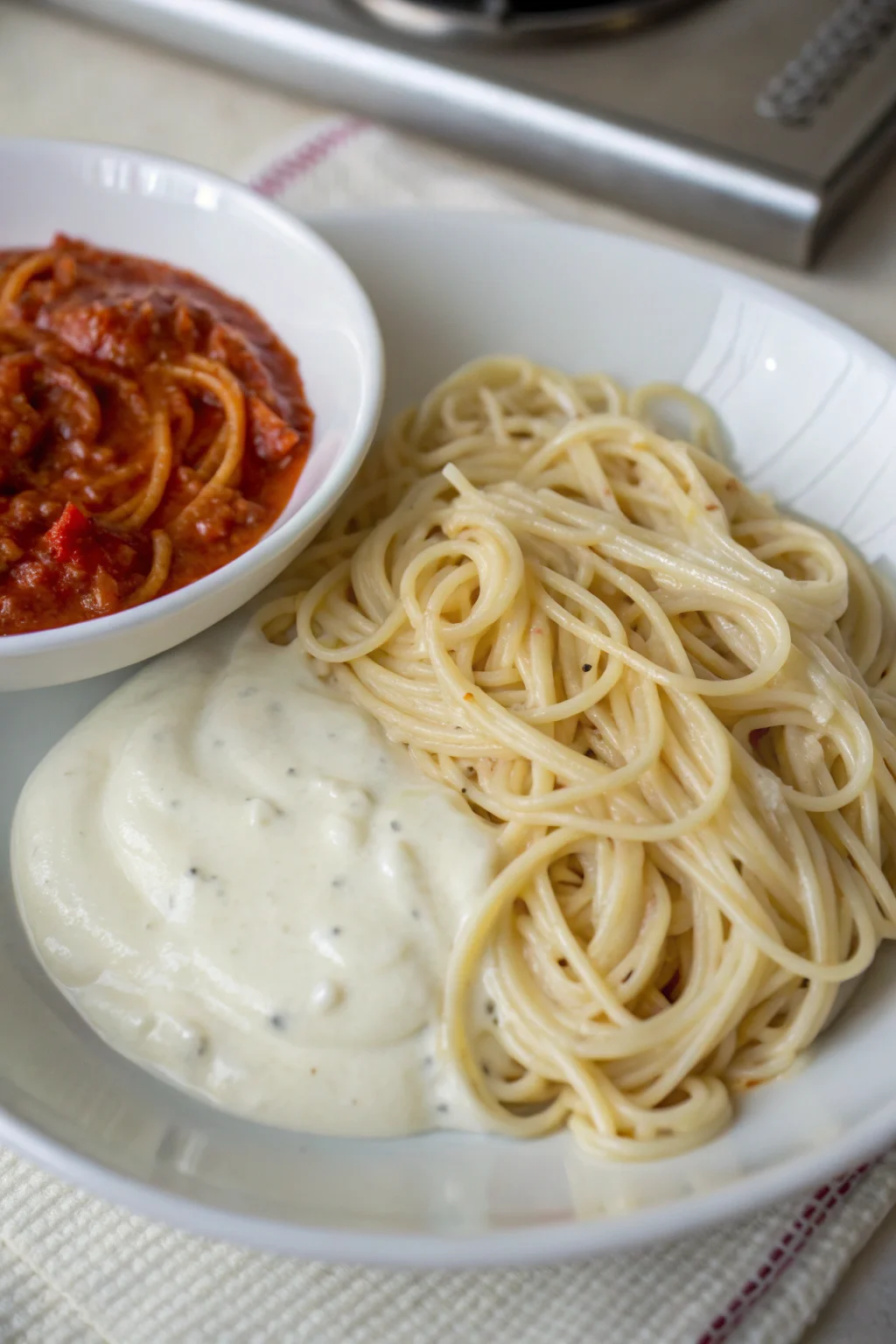
When it comes to creamy sauces, Béchamel and Alfredo are two of the most popular choices in the culinary world. While they may appear similar at first glance, they have distinct differences that set them apart. This guide will help you understand the unique characteristics of each sauce, their ingredients, and how to use them in your cooking. Whether you’re a home cook or a culinary enthusiast, this FAQ-style article will answer all your questions.
What is Béchamel Sauce?
Béchamel sauce, also known as white sauce, is a classic French sauce made from a roux of butter and flour, mixed with milk. It’s one of the five “mother sauces” in French cuisine, which means it serves as a base for other sauces and dishes. This rich culinary heritage highlights its versatility and foundational importance in French cooking. The key features of Béchamel include:
- Ingredients: Butter, flour, and milk. The simplicity of these ingredients belies the sauce’s ability to transform dishes. High-quality butter and fresh, whole milk are preferred to achieve the best flavor and texture. The flour acts as a thickening agent, creating a creamy consistency.
- Flavor: Mild and creamy, with a smooth texture. The flavor is intentionally neutral to allow for versatility in seasoning and the addition of other ingredients, such as herbs or cheese, to tailor the sauce to specific dishes.
- Uses: Often used in dishes like lasagna, macaroni and cheese, and gratins. Its ability to bind ingredients together and add a creamy texture makes it indispensable in these recipes.
For more about traditional uses of Béchamel sauce, you can explore our guide on how to make classic Béchamel sauce.
What is Alfredo Sauce?
Alfredo sauce is an Italian-American creation primarily made from butter, heavy cream, and Parmesan cheese. This decadent sauce is known for its rich, velvety texture and robust flavor, making it a favorite in Italian-style pasta dishes. Unlike Béchamel, Alfredo is not a base sauce but a complete sauce on its own. Some highlights include:
- Ingredients: Butter, heavy cream, Parmesan cheese. The use of heavy cream gives Alfredo its signature richness, while Parmesan cheese imparts a savory, umami flavor that elevates the sauce beyond simple creaminess. Freshly grated Parmesan is recommended for the best texture and taste.
- Flavor: Rich, cheesy, and creamy. The combination of cream and cheese creates a sauce that is both indulgent and satisfying, perfect for comfort food dishes.
- Uses: Commonly served with fettuccine pasta, known as Fettuccine Alfredo. This classic dish showcases the sauce’s ability to coat pasta beautifully, creating a harmonious blend of textures and flavors.
To explore more about Alfredo sauce, check our recipe for creamy Alfredo sauce.
Are Béchamel Sauce and Alfredo Sauce the Same?
No, Béchamel and Alfredo sauces are not the same. They differ in several fundamental ways:
- Origin: Béchamel is French, while Alfredo is Italian-American. This distinction in cultural origin reflects the sauces’ roles in their respective cuisines, with Béchamel being a cornerstone of French cooking and Alfredo a hallmark of Italian-American dining.
- Ingredients: Béchamel uses milk, whereas Alfredo uses cream and cheese. This difference in base ingredients results in distinct textures and flavors, with Béchamel being lighter and more versatile, and Alfredo being richer and more decadent.
- Function: Béchamel is a base sauce; Alfredo is a standalone sauce. Béchamel serves as a foundation for other sauces, such as Mornay or mustard sauce, while Alfredo is typically used in its original form, primarily as a pasta sauce.
These differences lead to varied applications and flavors in cooking, offering unique culinary experiences depending on the dish you are preparing.
How Do You Make Béchamel Sauce?
To make Béchamel sauce, follow these steps for a smooth and creamy result:
- Melt butter in a saucepan over medium heat. Using a heavy-bottomed pan can help distribute heat evenly and prevent scorching.
- Add flour and stir to form a smooth paste (roux). The roux should be cooked for about 1-2 minutes to remove the raw flour taste, but not so long that it begins to brown, which would alter the sauce’s color and flavor.
- Gradually whisk in milk, continuing to stir until the sauce thickens. It’s important to add the milk slowly and continue whisking to avoid lumps. If lumps do form, you can strain the sauce through a fine sieve for a smooth finish.
For a detailed recipe, visit this external resource.
How Do You Make Alfredo Sauce?
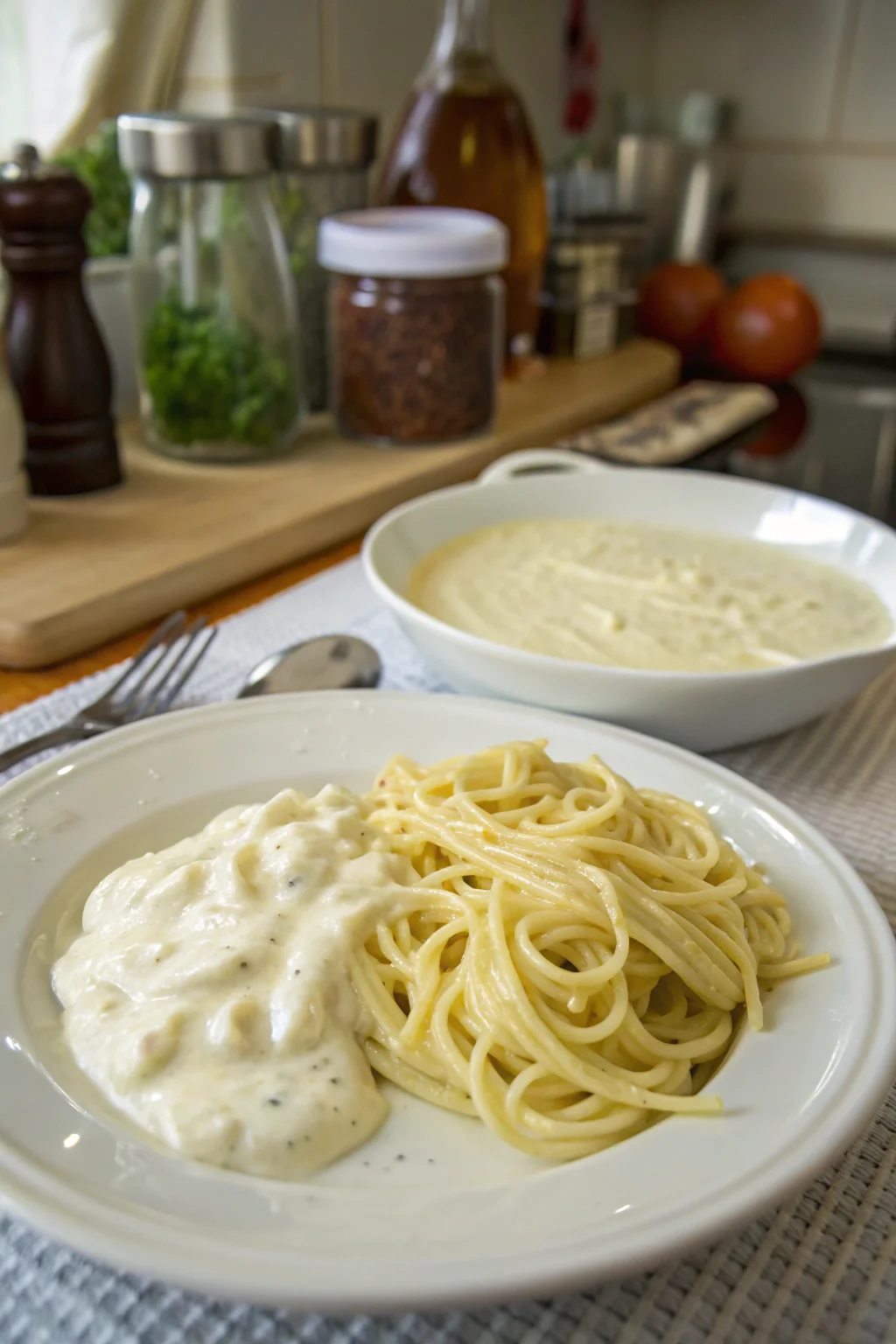
To make Alfredo sauce, follow these steps to achieve a rich and creamy texture:
- Melt butter in a pan over medium heat. Ensure the butter is melted fully before proceeding to the next step to avoid a greasy sauce.
- Add heavy cream and simmer. Allow the cream to simmer gently, which helps concentrate the flavors and thicken the sauce slightly.
- Stir in grated Parmesan cheese until melted and smooth. Incorporate the cheese slowly, stirring continuously to ensure it melts evenly and integrates fully with the cream.
Adjust seasoning with salt and pepper as needed. Freshly ground black pepper can add a subtle complexity to the sauce, enhancing its overall flavor.
Can You Substitute Béchamel for Alfredo and Vice Versa?
While you can substitute one for the other in some recipes, the results will differ significantly:
- Béchamel as Alfredo: Add cheese to Béchamel to mimic Alfredo’s flavor. Incorporate grated Parmesan or other cheeses like Gruyère or cheddar to achieve a cheesy richness similar to Alfredo.
- Alfredo as Béchamel: Thin Alfredo with milk for a Béchamel-like consistency. This adjustment can be useful in casseroles or baked dishes where a lighter sauce is desired.
Consider the dish’s flavor profile before substituting, as each sauce brings distinct characteristics that can alter the final result.
What Dishes Use Béchamel Sauce?
Béchamel sauce is versatile and used in various dishes that benefit from its creamy texture and binding properties:
- Lasagna: Béchamel adds a creamy layer that complements the tomato sauce and pasta, creating a balanced dish.
- Moussaka: In this traditional Greek dish, Béchamel provides a rich topping that contrasts with the spiced meat and eggplant layers.
- Croque monsieur: A classic French sandwich that uses Béchamel to add creaminess and moisture to the ham and cheese.
- Macaroni and cheese: Béchamel acts as the base for a smooth cheese sauce that coats the pasta evenly, resulting in a comforting meal.
It acts as a binding agent and adds creaminess to these dishes, enhancing their overall appeal.
What Dishes Use Alfredo Sauce?
Alfredo sauce pairs well with dishes that highlight its rich and cheesy flavor:
- Fettuccine pasta: The classic pairing that showcases Alfredo’s ability to coat long strands of pasta, creating a luxurious dining experience.
- Chicken Alfredo: Adding grilled or sautéed chicken introduces a protein element that complements the sauce’s richness.
- Shrimp Alfredo: The delicate flavor of shrimp pairs well with Alfredo sauce, offering a sophisticated twist on the classic dish.
These dishes highlight the sauce’s rich and cheesy flavor, making them popular choices for those seeking indulgent meals.
Is Alfredo Sauce Healthier Than Béchamel?
Nutritionally, Béchamel is generally lighter, making it a more suitable option for those seeking lower-fat meals:
- Béchamel: Lower in fat and calories due to milk. Using skim or low-fat milk can further reduce the calorie content without sacrificing too much creaminess.
- Alfredo: Higher in fat and calories from cream and cheese. To reduce the fat content, consider using half-and-half instead of heavy cream or cutting back on the amount of cheese.
For healthier options, choose Béchamel or make Alfredo with less cream and cheese, tailoring the recipe to your dietary preferences and nutritional needs.
Can You Freeze Béchamel or Alfredo Sauce?
Both sauces can be frozen, but with precautions to maintain their quality:
- Béchamel: Freeze in airtight containers for up to 3 months. Stir well after thawing to restore its creamy texture. Label the containers with the date of freezing to keep track of freshness.
- Alfredo: Freeze in portions. The sauce may separate; reheat gently and whisk to restore texture. Adding a splash of milk or cream during reheating can help emulsify the sauce.
Avoid freezing sauces with added cheese or cream, as these ingredients can alter the texture upon thawing.
How Do You Thicken Béchamel and Alfredo Sauce?
To thicken these sauces, use the following methods:
- Béchamel: Cook longer to reduce, or add a flour-water slurry. Be cautious with the slurry to avoid making the sauce too thick; adding it gradually allows for better control.
- Alfredo: Simmer to reduce, or add more cheese for thickness. Be mindful of the sauce’s richness when adding cheese, as it can intensify the flavor.
Avoid over-thickening, as sauces thicken further upon cooling, potentially altering the desired consistency.
Can You Make These Sauces Dairy-Free?
Yes, both can be adapted to accommodate dairy-free diets:
- Béchamel: Use plant-based milk and vegan butter. Options like almond milk, soy milk, or oat milk can provide similar creaminess. Vegan butter substitutes or olive oil can replace traditional butter.
- Alfredo: Use coconut cream and nutritional yeast or vegan Parmesan. Coconut cream provides the necessary richness, while nutritional yeast adds a cheesy flavor without dairy.
These alternatives provide similar textures and flavors, allowing those with dietary restrictions to enjoy these classic sauces.
What’s the History Behind These Sauces?
- Béchamel: Originated in France, dating back to the 17th century. Named after Louis de Béchamel, a financier and gourmet, it has become a staple in French culinary tradition.
- Alfredo: Created in Rome by Alfredo di Lelio in the early 20th century, popularized in the U.S. The original dish was a simple combination of pasta tossed with butter and Parmesan, evolving into the cream-based version known today.
Both have rich culinary histories that influence global cuisine today, reflecting the evolution of taste and technique over time.
Conclusion
Understanding the differences between Béchamel and Alfredo sauces is essential for any cook looking to master these creamy delights. While they share some similarities, their unique ingredients and origins make them distinct. Experimenting with these sauces can elevate your dishes, whether you’re whipping up classic lasagna or a rich Fettuccine Alfredo. For more culinary insights, explore our cooking tips and tricks.