Baking enthusiasts often wonder if they can substitute butter for oil in cake mix cookies. Whether you’re out of oil or simply prefer the rich flavor of butter, this guide will walk you through the ins and outs of making the switch. In this FAQ-style article, we’ll answer your most pressing questions and provide practical tips for achieving delicious results.
What Happens If You Substitute Butter for Oil in Cake Mix Cookies?
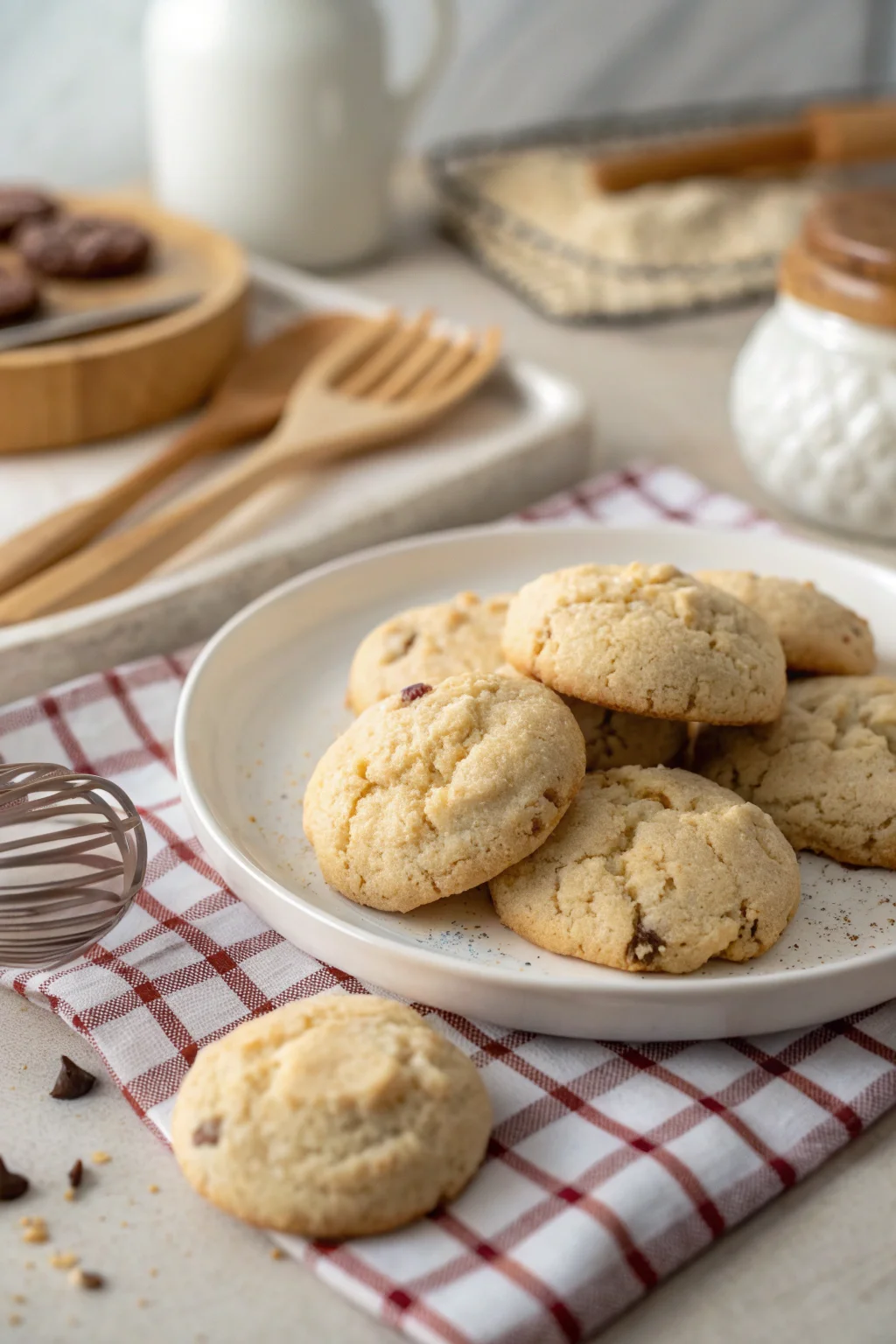
Substituting butter for oil in cake mix cookies can significantly change both the texture and flavor of your cookies. Butter, being solid at room temperature, adds a certain richness and a denser texture. This density comes from the fat structure in butter, which differs from that in oil. The result is a cookie that is often thicker and a little bit more indulgent. In terms of flavor, butter provides a distinct, creamy taste that oil cannot match. The buttery flavor enhances the cookie, making it taste richer and more satisfying.
One thing to note is that cookies made with butter might spread less than those made with oil. This is because the solid fats in butter take longer to melt than the liquid fats in oil, which means the cookies hold their shape better during baking. To counter this, you might need to adjust your baking time or temperature slightly. For example, lowering the oven temperature by 25 degrees Fahrenheit and extending the baking time by a couple of minutes can help achieve a perfectly baked cookie with a buttery flavor.
How Do You Substitute Butter for Oil in Cake Mix Cookies?
To substitute butter for oil, use a 1:1 ratio. If a recipe calls for 1 cup of oil, use 1 cup of melted butter instead. It’s crucial to ensure that the butter is not only melted but also cooled to room temperature before mixing it into your batter. This step helps maintain the proper consistency of your dough and prevents the butter from clumping during mixing.
When melting butter, avoid using high heat, which can cause it to burn. Instead, use a gentle heat setting or a microwave at 50% power. Stir the butter occasionally to ensure even melting. Once melted, allow it to cool to room temperature naturally. This cooling process prevents the cooked flavor that can occur if hot butter is mixed directly with other ingredients. If you’re in a hurry, place the melted butter in a shallow dish to speed up the cooling process.
Will Using Butter Instead of Oil Affect the Cookie’s Texture?
Yes, using butter instead of oil will affect the texture of your cookies. Butter tends to create a denser, more flavorful cookie with a slightly crispier edge. This is because butter contains milk solids and water, which contribute to a slightly different structure compared to oil. If you prefer a softer cookie, you can consider adding an extra egg or increasing the sugar content slightly to retain moisture.
Eggs act as binders and tenderizers, so an extra egg can help maintain softness while enhancing structure. Similarly, increasing sugar content slightly can help by retaining moisture during baking, resulting in a softer texture. However, be cautious not to overdo it with sugar, as this can lead to excessive spreading and a cookie that is too sweet.
Can You Taste the Difference Between Butter and Oil in Cookies?
Absolutely! Butter imparts a rich, creamy flavor that significantly enhances the overall taste of your cookies. Oil, on the other hand, provides a more neutral backdrop, allowing other ingredients to shine. If you’re aiming for a more flavorful treat, butter is your best bet. Try experimenting with different types of butter, such as salted or unsalted, to see how they affect the taste.
Unsalted butter is generally recommended because it gives you more control over the saltiness of your cookies. However, if you enjoy a slightly salty-sweet contrast, using salted butter can add an extra layer of flavor. Additionally, for an exotic twist, consider trying European-style butter, which has a higher fat content and richer taste.
Is It Healthier to Use Butter Instead of Oil?

The healthiness of butter versus oil depends on the type of oil you usually use. Butter contains saturated fats, which have been debated for their health implications. In contrast, vegetable oils like canola or sunflower are higher in unsaturated fats, which are generally considered heart-healthy. If you’re concerned about health, consider using a combination of butter and a healthier oil to balance flavor and nutritional content.
For instance, combining half a cup of butter with half a cup of olive oil can create a delicious blend, offering the buttery taste you desire while incorporating the health benefits of unsaturated fats. This combination also helps maintain the desired texture, as the oil’s liquid nature assists in keeping the cookies moist.
What Type of Butter Works Best for Substituting Oil in Cookies?
Unsalted butter is recommended for substituting oil in cookies. It allows you to control the saltiness of your final product. If you only have salted butter, reduce the additional salt in the recipe to compensate. Make sure the butter is fresh and not nearing expiration for the best flavor.
When selecting butter, check the packaging for any added ingredients or preservatives. Pure butter without additives provides the best flavor and texture. If you’re feeling adventurous, try flavored butters, such as those infused with herbs or spices, to add a unique twist to your cookies.
How Does the Baking Time Change When Using Butter Instead of Oil?
When using butter instead of oil, cookies may bake slightly faster due to the lower water content in butter. Check your cookies a couple of minutes earlier than the recipe suggests to prevent over-baking. Keep an eye on the edges; when they turn golden brown, your cookies are likely done.
A good practice is to set your timer for 3-4 minutes less than the recommended baking time and use that time to check on the cookies. If the edges are firm and the centers are slightly soft, it’s the perfect moment to remove them from the oven. Remember, cookies continue to cook on the baking sheet even after being removed from the oven, so a little under-baking can actually lead to the perfect texture.
Can You Use Half Butter and Half Oil in Cake Mix Cookies?
Yes, using half butter and half oil can give you the best of both worlds: the rich flavor of butter and the moisture of oil. This combination can result in a balanced texture and taste. Experiment with different proportions to find your perfect mix.
For example, try using two-thirds cup of butter with one-third cup of oil for a slightly more buttery flavor, or switch the proportions for a lighter texture. This flexibility allows you to tailor the recipe to your taste preferences, ensuring you get the perfect cookie every time.
Are There Any Other Tips for Substituting Butter for Oil?
- Temperature: Always melt and cool the butter before adding it to the mix. This step prevents clumping and ensures even distribution in the batter.
- Consistency: If the dough feels too stiff, add a tablespoon of milk or water to adjust. This addition helps achieve the desired dough consistency, especially if you’re aiming for a softer cookie.
- Flavor Enhancements: Consider adding vanilla extract or almond extract to complement the buttery flavor. These extracts can enhance the cookie’s aroma and depth, making them even more irresistible.
Can You Use Margarine Instead of Butter for Substituting Oil?
Margarine can be used as a substitute, but it may not provide the same richness as butter. Ensure the margarine is at room temperature before use, and remember that some brands contain more water, affecting texture. Choose a high-fat content margarine for better results.
When choosing margarine, opt for those labeled as “baking” or “high-fat” to ensure suitable consistency and flavor. Be aware that margarine can sometimes impart a slightly artificial taste, so select a brand with a flavor profile you enjoy.
What Are Some Common Mistakes When Substituting Butter for Oil?
- Not Melting Butter: Solid butter can lead to uneven mixing, resulting in inconsistent texture and flavor throughout the cookies.
- Ignoring Salt Content: If using salted butter, adjust the salt in the recipe. Overlooking this step can result in overly salty cookies.
- Overmixing: Overmixing can lead to tough cookies, especially with butter. Mix just until ingredients are combined to maintain a tender texture.
How Does Substituting Butter for Oil Affect Vegan Recipes?
Substituting butter for oil in vegan recipes requires using a plant-based butter alternative. Many brands offer vegan butters that mimic the taste and texture of dairy butter. Ensure the alternative is suitable for baking and adjust any other non-vegan ingredients in your recipe.
Popular vegan butter alternatives include those made from coconut oil, avocado oil, or nut oils. These options often come in both salted and unsalted versions, allowing for flexibility in flavor control. Additionally, some vegan butters are fortified with vitamins and minerals, offering a nutritional boost.
Which Cakes or Cookies Benefit Most from Butter Substitution?
Rich, dense cookies like chocolate chip or oatmeal cookies benefit significantly from butter substitution, as do certain cakes like pound cake that thrive on buttery flavors. Consider the overall flavor profile you want to achieve and choose recipes that complement butter’s richness.
For instance, a classic chocolate chip cookie recipe can be elevated with the use of butter, providing a chewy texture and rich flavor that pairs beautifully with chocolate chunks. Similarly, pound cakes, known for their dense texture, can gain an extra dimension of flavor with the inclusion of butter, making them more decadent and satisfying.
Wrap-Up
Substituting butter for oil in cake mix cookies can enhance flavor and alter texture, offering a delicious twist on your favorite treats. By following these tips and tricks, you can confidently make the switch and enjoy the rich, buttery goodness in every bite. For more baking insights, check out our ultimate baking tips and how to modify cake mixes.
For further reading, explore AllRecipes on baking with butter and The Kitchn’s guide to butter vs. oil in baking. Whether you’re a novice baker or a seasoned pro, these resources offer valuable insights into mastering the art of baking with butter.