If you’ve ever wondered about the difference between Chicken Fettuccine Alfredo and Chicken Alfredo, you’re not alone. These two delicious dishes often appear on menus and in recipes with seemingly interchangeable names. However, there are subtle distinctions that can make a difference in your culinary experience. Let’s explore these nuances to help you better understand and enjoy these classic pasta dishes.
What is Chicken Fettuccine Alfredo?
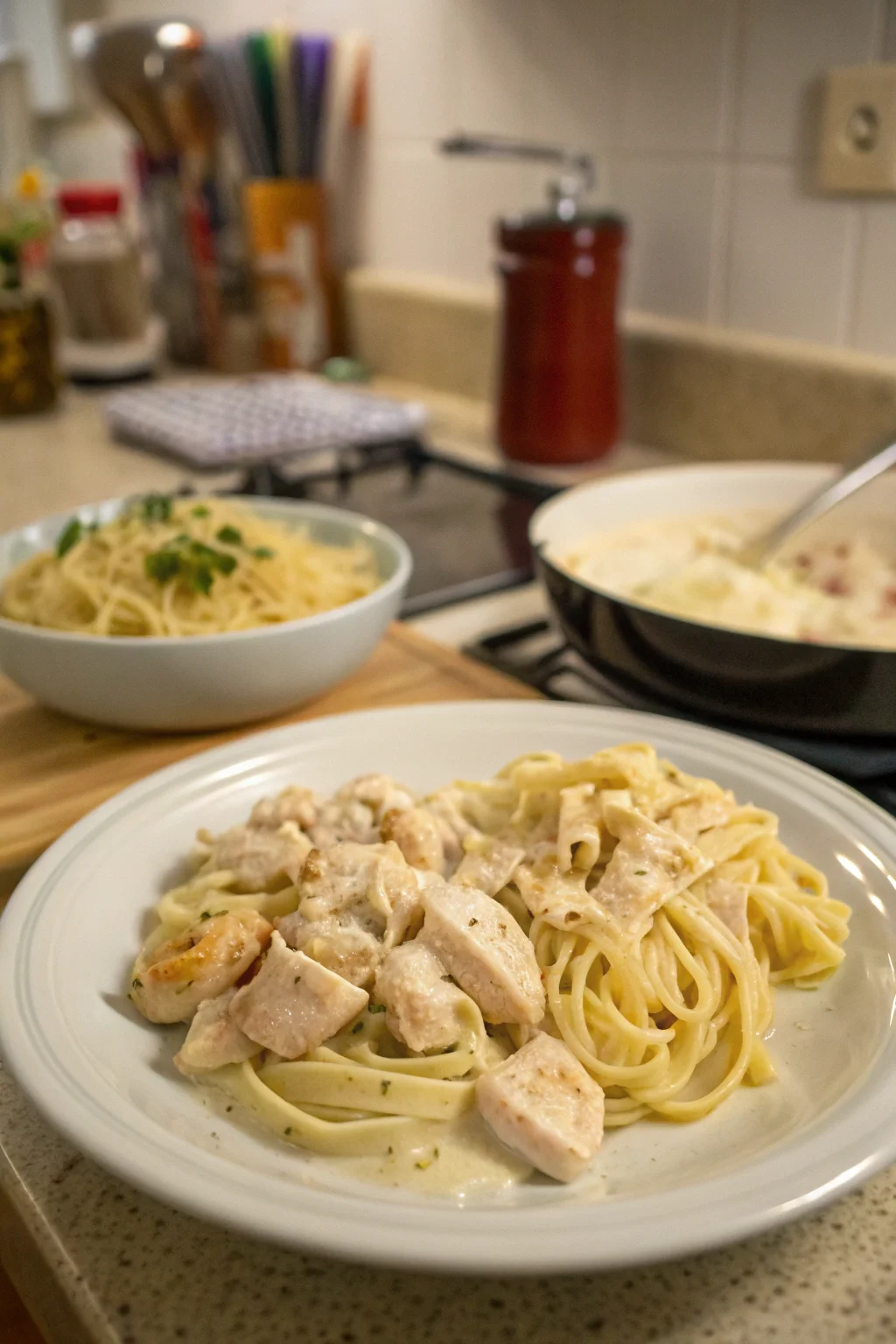
Chicken Fettuccine Alfredo is a classic Italian-American dish featuring fettuccine pasta tossed with a creamy Alfredo sauce and tender pieces of chicken. The dish is known for its rich and velvety texture, largely thanks to the combination of butter, cream, and Parmesan cheese used in the Alfredo sauce. The fettuccine pasta, with its wide, flat shape, is perfect for holding onto the sauce, ensuring each bite is flavorful. Chicken Fettuccine Alfredo is a hearty, satisfying meal that is often garnished with parsley or extra Parmesan cheese.
The origins of this dish can be traced back to early 20th century Rome, where Alfredo di Lelio created the original “Fettuccine Alfredo” using just pasta, butter, and Parmesan. American adaptations have since added cream and chicken, evolving it into the beloved dish we know today. This version remains a staple in many Italian-American households, often served as a comforting meal during family gatherings.
What is Chicken Alfredo?
Chicken Alfredo refers to any dish that includes chicken and Alfredo sauce. While it often involves pasta, such as fettuccine, it is not restricted to it. Chicken Alfredo can be made with various types of pasta, including penne, spaghetti, or even low-carb alternatives like zucchini noodles. This flexibility allows for a variety of presentations and textures. The key components remain the same: tender chicken and a creamy Alfredo sauce made from butter, cream, and Parmesan cheese.
The beauty of Chicken Alfredo lies in its versatility. You can easily adapt the dish to suit different dietary needs or personal preferences. For those who are health-conscious, using whole-grain pasta or substituting cream with a lighter dairy option can make the dish more nutritious. Similarly, incorporating seasonal vegetables or a variety of proteins can keep the dish exciting and fresh throughout the year.
How do the pasta types differ in these dishes?
In Chicken Fettuccine Alfredo, the pasta used is specifically fettuccine, which is a broad, flat noodle. This shape is ideal for holding onto the rich Alfredo sauce. In contrast, Chicken Alfredo can be made with any pasta type. Here are some common variations:
- Fettuccine: Wide, flat noodles; traditional choice. It’s perfect for hearty sauces like Alfredo because its flat surface allows the sauce to cling beautifully.
- Penne: Tubular pasta; good for catching sauce inside. This pasta type is great for a chunky sauce or when you add vegetables or meat that can get trapped inside the tubes, ensuring every bite is flavorful.
- Spaghetti: Long, thin noodles; a lighter option. Spaghetti provides a classic pasta feel and works well when you want a less dense texture.
- Zucchini noodles: A low-carb alternative. These are perfect for those looking to reduce carbohydrate intake and still enjoy a satisfying meal.
Each pasta type offers a different texture and eating experience, allowing for customization based on preference. For example, using penne can create a more rustic feel, while spaghetti might provide a smoother, more elegant dining experience. Adjusting the pasta also allows you to tweak how much sauce is absorbed and retained, which can be crucial for achieving the ideal consistency.
What variations can you make to Chicken Alfredo?
Chicken Alfredo is versatile and can be adjusted according to dietary needs or taste preferences. Some popular variations include:
- Vegetarian: Replace chicken with mushrooms or broccoli. Portobello mushrooms, for instance, provide a meaty texture, while broccoli adds a pleasant crunch.
- Seafood: Add shrimp or scallops for a seafood twist. The sweetness of seafood complements the creamy sauce beautifully.
- Spicy: Incorporate red pepper flakes or hot sauce for heat. This can balance the richness of the sauce and add complexity to the flavor profile.
- Low-fat: Use milk instead of cream and reduce the amount of butter. You can also try using Greek yogurt for a tangy twist that maintains creaminess.
These variations maintain the essence of Chicken Alfredo while offering new flavors and textures. Experimenting with spices, herbs, and additional ingredients can lead to delightful discoveries. Adding a splash of lemon juice or zest, for instance, can brighten the dish and cut through the richness, adding a refreshing note.
Is there a difference in sauce preparation?
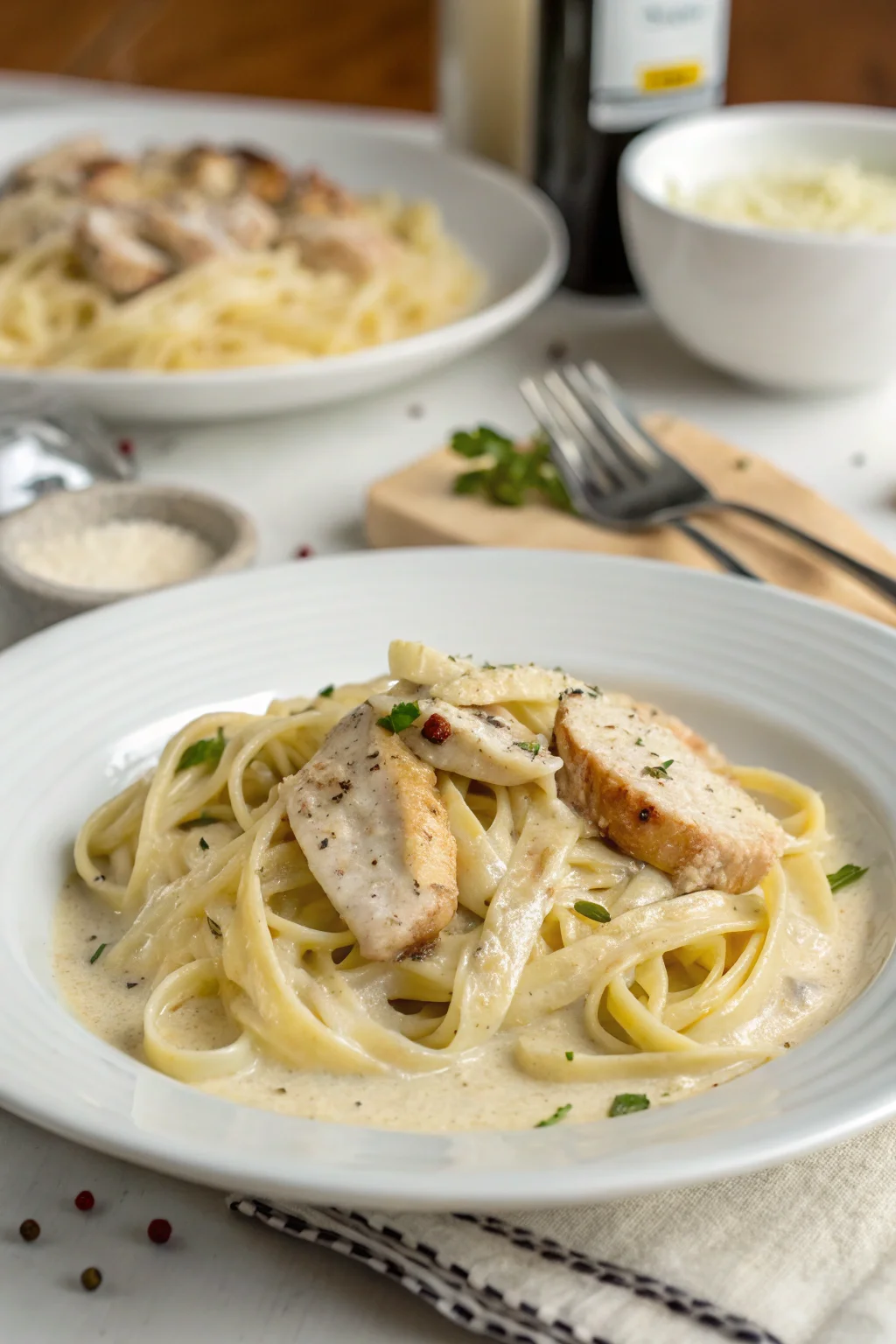
Both dishes use Alfredo sauce, but preparation can vary slightly. Traditional Alfredo sauce includes:
- Butter: Provides richness and flavor. It’s essential to use high-quality butter for the best flavor profile.
- Heavy cream: Creates a smooth, creamy texture. For those looking to lighten the dish, half-and-half or a mixture of milk and cream can be used.
- Parmesan cheese: Adds savory depth and thickness. Freshly grated cheese is preferred for its superior meltability and taste.
Some recipes might add garlic, black pepper, or nutmeg for extra flavor. While the core ingredients remain the same, personal tweaks can alter the final taste. For instance, adding a dash of white wine can introduce an aromatic depth, while a sprinkle of fresh herbs like basil or parsley can elevate the dish’s freshness and visual appeal.
Can you add vegetables to these dishes?
Absolutely! Vegetables can add color, texture, and nutrition to both dishes. Common additions include:
- Broccoli: Adds a nutritious, crunchy element. It’s best to blanch it before adding to maintain its vibrant color and crispness.
- Spinach: Wilts nicely into the sauce. Adding it just before serving ensures it retains its nutrients and doesn’t overcook.
- Bell peppers: Offer a sweet, vibrant contrast. Roasting them can enhance their sweetness and add a slightly smoky flavor.
- Peas: Provide a pop of sweetness. They can be tossed in frozen or fresh, adding a delightful burst of color and taste.
Adding vegetables not only boosts the nutritional value but also enhances the visual appeal of the dish. The key is to balance the vegetables with the pasta and sauce so that each component shines without overpowering the others. A mix of textures from different vegetables can create a more complex and satisfying dish.
How do portion sizes compare?
Typically, Chicken Fettuccine Alfredo is served as a generous pasta dish with a balanced ratio of chicken, pasta, and sauce. Chicken Alfredo, being more flexible, can have varying proportions of each component. For instance, a low-carb version might have more chicken and sauce with fewer noodles, or a veggie-heavy version could reduce the pasta in favor of more greens.
Portion control is important for maintaining a healthy diet. To manage portion sizes effectively, consider measuring out the pasta before cooking and being mindful of the amount of sauce you add. Using a food scale or measuring cups can help ensure consistency and prevent accidentally overindulging, especially in a calorie-rich dish like Alfredo.
What are some tips for making these dishes healthier?
To make these dishes healthier, consider the following tips:
- Use whole-wheat pasta for added fiber. This not only increases the nutritional value but also provides a nuttier flavor and firmer texture.
- Reduce the cream and substitute with milk or a non-dairy alternative. Almond milk or coconut milk can provide a creamy texture with fewer calories.
- Increase vegetables to lower the calorie density. This can make the dish more filling and nutritious without increasing the calorie count.
- Grill or bake the chicken instead of frying for less fat. Marinating the chicken before cooking can add extra flavor without extra calories.
Implementing these adjustments can help reduce calories and increase nutritional value without sacrificing flavor. It’s all about finding the right balance that satisfies your taste while aligning with your dietary goals.
Are these dishes gluten-free?
Both dishes are traditionally made with wheat pasta, which contains gluten. However, you can make them gluten-free by:
- Using gluten-free pasta made from rice, corn, or quinoa. These alternatives often mimic the texture of traditional pasta well.
- Checking the sauce ingredients to ensure no hidden gluten. Some pre-made sauces may contain thickeners that have gluten, so it’s always wise to read labels carefully.
With these substitutions, you can enjoy a gluten-free version of your favorite dish. Gluten-free cooking often requires a bit more attention to detail, particularly in ensuring that cross-contamination does not occur if you are cooking in a kitchen that handles gluten-containing foods.
Can these dishes be made ahead of time?
Yes, both dishes can be prepared in advance, but there are some considerations:
- Cook pasta al dente to prevent it from becoming mushy when reheated. Al dente pasta will hold its texture better when stored and reheated.
- Store sauce separately to avoid it thickening too much. This allows you to adjust the consistency when reheating by adding a bit of milk or cream to loosen it.
- Reheat gently over low heat to maintain texture. High heat can cause the sauce to separate or curdle, so patience is key.
Advance preparation can save time and make mealtime more convenient. You can also prepare extra portions and freeze them for a quick meal solution on busy days. Just ensure that the pasta and sauce are cooled completely before freezing to maintain their quality.
How do these dishes compare in popularity?
Chicken Fettuccine Alfredo is widely recognized and often found on restaurant menus. Its popularity is due to its rich flavor and satisfying nature. Chicken Alfredo, with its flexible nature, is popular for home cooking where personalization is key. Both dishes enjoy wide appeal but might attract slightly different audiences depending on context.
In restaurants, Fettuccine Alfredo is often a go-to for those seeking comfort food. At home, the adaptability of Chicken Alfredo makes it a favorite for families who enjoy experimenting with different ingredients and flavors. This versatility and comfort make these dishes timeless favorites across various dining settings.
What are some common mistakes to avoid?
When preparing these dishes, consider the following tips to avoid common pitfalls:
- Don’t overcook the pasta; it should be al dente. Overcooked pasta can become mushy and lose its structure, affecting the overall dish quality.
- Avoid curdling the sauce; cook on low heat and add cheese gradually. High heat can cause the cream to separate, so slow and steady is the way to go.
- Season properly; taste and adjust seasoning as needed. Parmesan cheese can be salty, so be cautious with additional salt.
By keeping these tips in mind, you can ensure a successful and delicious meal. Cooking is as much about technique as it is about ingredients, so taking the time to understand and apply these tips can make a significant difference in your cooking outcomes.
Wrap-Up
Whether you prefer the classic Chicken Fettuccine Alfredo or the versatile Chicken Alfredo, both dishes offer a delightful way to enjoy creamy pasta with chicken. By understanding the differences and exploring variations, you can tailor these dishes to your taste and dietary preferences. For more pasta inspiration, you might also like our guides on Vegan Alfredo Sauce or How to Cook Perfect Pasta Every Time. For further reading, check out Serious Eats’ Guide to Alfredo Sauce for expert tips.