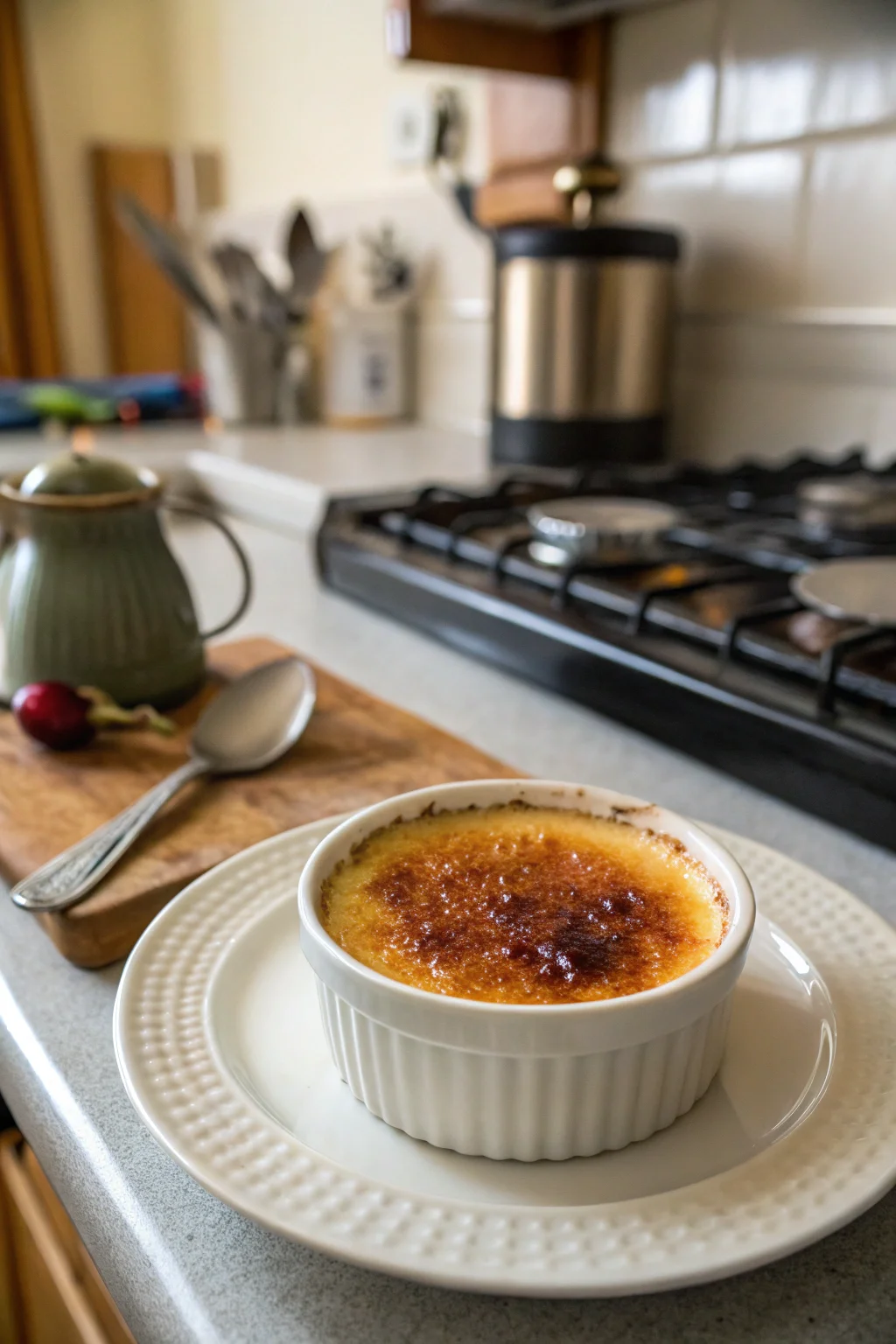
Crème brûlée is a classic dessert that many home cooks aspire to perfect. Traditionally served in ramekins, this creamy custard with a crispy caramelized top is a delight to the senses. But what if you don’t have ramekins at home? Fear not, as there are several alternative dishes you can use without compromising on the dessert’s quality. This guide will explore various options and answer common questions about making crème brûlée without ramekins.
What Are Ramekins and Why Are They Used for Crème Brûlée?
Ramekins are small, cylindrical dishes that are commonly used to bake and serve individual portions of food. They are ideal for crème brûlée because:
- Size: They hold just the right amount of custard, ensuring even cooking. Typically, ramekins are around 4 to 6 ounces, which allows for a consistent thickness of custard that is essential for proper setting and caramelization. This size is perfect for balancing the creamy custard and the thin, crispy caramelized sugar layer on top.
- Material: Ceramic ramekins distribute heat evenly, essential for the perfect custard. The even heat distribution helps prevent hot spots that can lead to uneven cooking or a scrambled texture. This property is particularly important for custards, which require gentle, even heat to set perfectly.
- Presentation: They offer a classic, elegant look for serving. The simple but elegant design of ramekins enhances the visual appeal of crème brûlée, making it suitable for sophisticated dining experiences. The neat, white ramekin also contrasts beautifully with the golden-brown sugar crust.
If you’re interested in more cooking tips, check out our guide on baking essentials.
Can You Use Mason Jars for Crème Brûlée?
Yes, mason jars can be a suitable alternative. Here’s why:
- Heat Resistance: Mason jars are designed to withstand high temperatures, making them safe for the oven. However, it’s crucial to use jars specifically labeled as oven-safe to prevent any risk of breaking due to thermal shock. Some brands, like Ball or Kerr, are known for their durability and can be safely used in both the oven and the microwave.
- Portion Control: They come in various sizes, allowing for flexibility in portion sizes. You can choose smaller jars for individual servings or larger ones for sharing portions. This flexibility is great for customizing desserts according to the number of guests or the desired serving size.
- Aesthetic Appeal: The transparent glass provides an attractive presentation, allowing guests to see the layers of the dessert, which adds an extra visual element. The glass showcases the creamy custard and the caramelized top, adding a rustic, homemade touch to the dessert.
When using mason jars, ensure they are oven-safe by checking the manufacturer’s guidelines. Avoid placing cold jars directly into a hot oven to minimize the risk of cracking. Instead, allow them to come to room temperature first or place them in the oven while it preheats.
Are Coffee Cups a Good Substitute for Ramekins?
Coffee cups, particularly those made of ceramic or porcelain, can be used as a substitute. Consider the following:
- Material: Ensure the cups are both oven-safe and heatproof. Not all coffee cups are meant for oven use, so double-check the manufacturer’s instructions. Some coffee cups may have decorative elements or glazes that are not suitable for high temperatures.
- Size: Choose cups that hold around 6 ounces to maintain the correct custard depth. This ensures that the custard cooks evenly and the top caramelizes properly. A deeper cup might require a longer baking time, affecting the texture of the custard.
- Convenience: Using cups you already own can be cost-effective and reduce the need for additional kitchenware. Plus, it adds a casual charm to your dessert presentation. Coffee cups with fun designs or colors can add personality to your table setting.
For a comprehensive baking experience, explore our baking tools and equipment guide.
Can You Use a Muffin Tin for Crème Brûlée?
Using a muffin tin is possible but comes with challenges:
- Portion Size: Muffin tins are smaller, so adjust the baking time to prevent overcooking. Start checking for doneness earlier than usual, as the smaller volume will set quicker. The smaller portions can be ideal for tasting menus or cocktail parties.
- Removal: It can be tricky to remove the custard without damaging it. Grease the tin well or use silicone muffin liners to facilitate easy removal and retain the custard’s shape. You can also consider lining the tins with parchment circles to help lift the custards out cleanly.
- Presentation: While not the classic look, it can be a fun alternative for casual gatherings. The small, round shape can be appealing for parties or informal get-togethers. It provides an opportunity to serve bite-sized versions of your favorite dessert.
For more tips on using uncommon kitchen tools, visit this helpful cooking site.
Are Soup Bowls Suitable for Crème Brûlée?
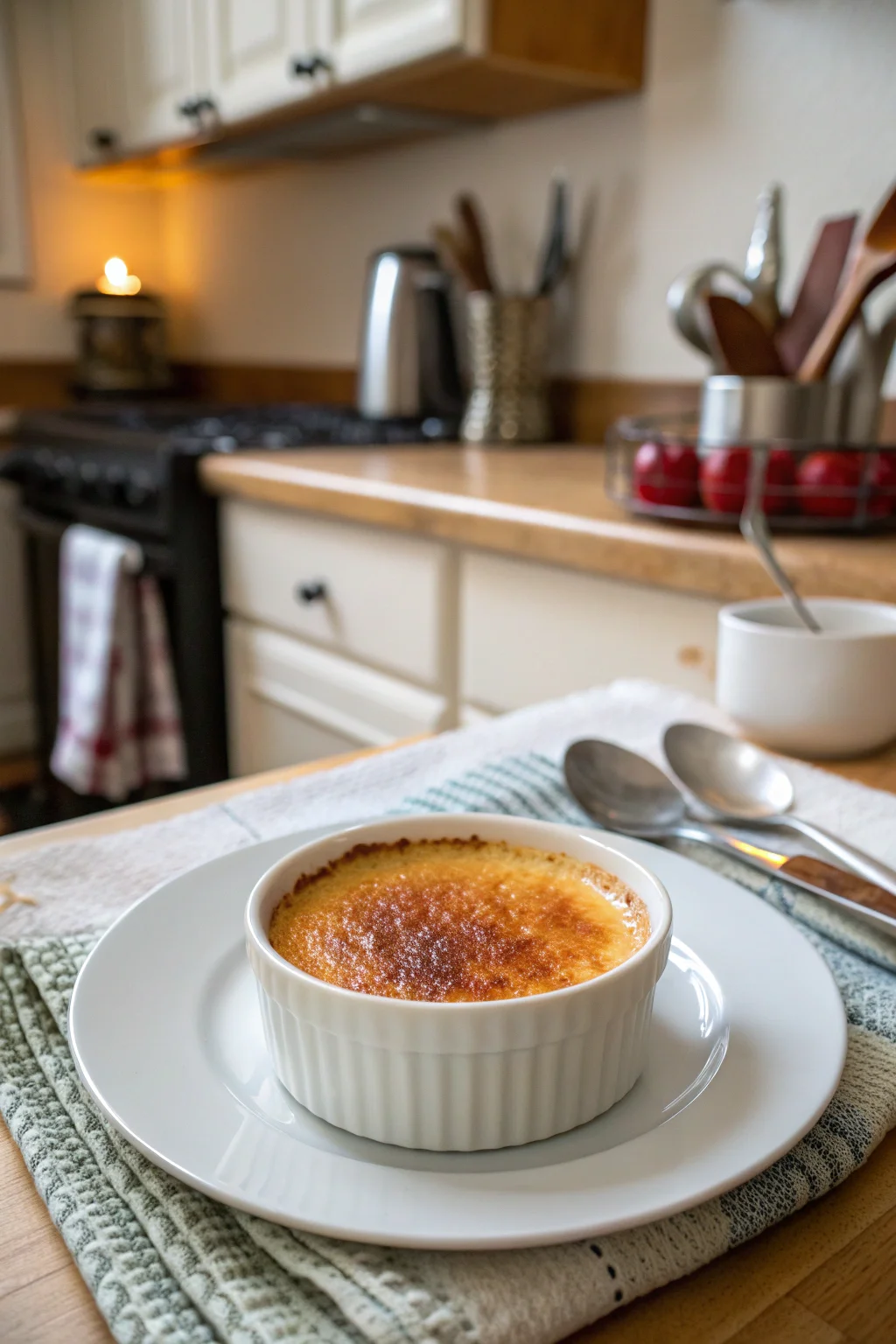
Soup bowls can work if you follow these guidelines:
- Material: Use oven-safe bowls, preferably ceramic or porcelain. Ensure they can withstand the baking temperature without cracking. Stoneware bowls can also be a good choice, as they provide excellent heat retention.
- Depth: Ensure the bowls are shallow to allow for even caramelization of sugar. A depth similar to ramekins is ideal for achieving a uniform, caramelized top. A deeper bowl may result in a custard that is too thick and may not set evenly.
- Serving: Larger bowls may require sharing portions, altering the traditional individual serving experience. This can be a creative twist, perfect for family-style dining. You can serve with a large spoon, allowing guests to scoop out their desired amount.
Can You Make Crème Brûlée in a Baking Dish?
A baking dish can be used, but keep these points in mind:
- Size: Choose a small baking dish to maintain the correct custard thickness. A shallow dish is preferable to ensure even cooking and caramelization. An 8×8 inch baking dish is a good size for maintaining the right balance.
- Serving: You’ll need to slice the crème brûlée, which may affect presentation. Use a sharp knife to create clean slices, and serve with a spatula to preserve the custard’s texture. Garnishing each slice with fresh berries or a sprig of mint can enhance its visual appeal.
- Time: Baking time may need adjustment due to the larger volume. Monitor closely to avoid overcooking, which can result in a rubbery texture. Consider using a water bath to help regulate the temperature and promote even cooking.
Is It Possible to Use Aluminum Foil Cups for Crème Brûlée?
Aluminum foil cups are an option, especially for outdoor events:
- Heat Conductivity: Aluminum distributes heat well, ensuring even cooking. This helps achieve the desired custard consistency throughout. The flexibility of aluminum also makes it easier to check doneness by gently pressing the custard.
- Portability: Lightweight and disposable, perfect for picnics or barbecues. These cups are convenient for transport and cleanup, making them ideal for large gatherings. They eliminate the need for dishwashing and can be easily disposed of after use.
- Caution: Handle carefully as they can be flimsy and hot. Use a baking sheet for stability and wear oven mitts to protect your hands. Consider doubling up the cups for added strength and support.
What About Using Ceramic Bowls?
Ceramic bowls can be a suitable alternative:
- Heat Retention: They hold and distribute heat evenly, ideal for custards. This ensures a smooth texture and prevents overcooking. The retained heat continues to cook the custard slightly even after being removed from the oven, so allow for slight carryover cooking.
- Variety: Available in many sizes and styles to suit your needs. Choose bowls that complement your table setting for an added touch of elegance. Mixing and matching different designs can create a visually appealing and eclectic presentation.
- Care: Ensure they are labeled as oven-safe to prevent cracking. Avoid sudden temperature changes, such as moving directly from the fridge to the oven. Gradually bring them to room temperature before baking.
Can You Use Custard Cups for Crème Brûlée?
Custard cups are a close match to ramekins:
- Material: Typically made of glass or ceramic, both suitable for baking. These materials are ideal for achieving the desired custard texture. They are also typically thicker than ramekins, which can provide additional insulation and even cooking.
- Size: Usually similar in size to ramekins, offering a familiar portion. This helps maintain the traditional serving size and appearance. They are perfect for those who enjoy consistency in their culinary presentations.
- Availability: Easily found in most kitchenware stores. They’re a practical investment, as they can be used for various desserts and side dishes. Consider purchasing a set if you enjoy making individual desserts frequently.
Are Silicone Baking Cups a Good Option?
Silicone baking cups can be used, but consider these factors:
- Flexibility: Easy to remove custard, but may not provide the best support during baking. Place them on a baking sheet for stability. Their flexibility makes cleaning a breeze, as they are dishwasher safe and can be folded for storage.
- Heat Resistance: Ensure they are rated for oven use. Most silicone cups can withstand temperatures up to 428°F (220°C), but check specific product guidelines. They are also microwave-safe, adding to their versatility in the kitchen.
- Appearance: Lacks the traditional look, but functional and easy to clean. They are ideal for casual meals or when ease of use is a priority. Their bright colors can add a playful touch to your dessert presentation.
Can You Use a Pie Dish for Crème Brûlée?
A pie dish is an unconventional choice:
- Size: Allows for a large, shareable portion rather than individual servings. This can be a charming option for a family meal or dinner party. It offers a unique twist on a classic dessert, encouraging communal enjoyment.
- Baking Time: Monitor closely to prevent overcooking due to the larger surface area. The custard may require more time to set, but be careful to prevent the top from burning. A piece of foil can be tented over the dish if the top browns too quickly.
- Serving: Slice and serve like a pie, which may affect the texture. To maintain the custard’s integrity, use a sharp, warm knife for slicing. Serving with a dollop of whipped cream can add an extra layer of indulgence.
Is It Safe to Use Glass Containers for Crème Brûlée?
Glass containers can be safe if they’re ovenproof:
- Clarity: Offers a clear view of the custard, enhancing presentation. This transparency allows guests to appreciate the dessert’s layers and textures. It also helps in monitoring the baking process without opening the oven door.
- Thermal Shock: Be cautious of sudden temperature changes to prevent cracking. Gradually warm the glass container to reduce the risk of breakage. Place the container in a cold oven before preheating to allow even temperature distribution.
- Label: Confirm they are marked as safe for oven use by the manufacturer. Always follow the product’s guidelines for best results. This ensures safety and prevents potential kitchen mishaps.
Can You Use an Oven-Safe Mug for Crème Brûlée?
Oven-safe mugs are a practical alternative:
- Material: Ensure they are made of durable ceramic or porcelain. These materials provide the necessary heat resistance for baking. Some mugs have thick walls, which can help insulate the custard and promote even cooking.
- Capacity: Choose mugs that can hold at least 6 ounces for proper custard depth. This ensures an even bake and well-caramelized top. Consider mugs with handles for easy handling and serving.
- Versatility: A fun and casual option for serving dessert. Mugs add a whimsical touch and are perfect for relaxed, home-style dining. They also make for an interactive dining experience, as guests can hold their dessert like a cup of coffee.
Conclusion
While ramekins are the traditional choice for crème brûlée, numerous alternatives can work just as well. By considering the material, size, and oven-safety of different dishes, you can successfully adapt your recipe to what you have at home. Whether it’s mason jars, coffee cups, or even a pie dish, each option brings its unique touch to this timeless dessert. For more culinary insights, explore our cooking tips and tricks section. Happy baking!