Cooking beans in a slow cooker is a convenient way to prepare a nutritious meal. However, there’s often debate about whether you need to soak beans before tossing them in your slow cooker. In this article, we’ll explore the pros and cons of soaking beans and answer some common questions about this preparation method. Whether you’re new to cooking beans or an experienced chef looking to optimize your process, we’ve got you covered with clear, practical advice.
Why Soak Beans Before Cooking?
Soaking beans can offer several benefits. Primarily, it helps to remove some of the indigestible sugars responsible for causing gas and bloating, which are often a concern for many people when consuming legumes. These sugars, known as oligosaccharides, are difficult for the body to digest and can lead to discomfort. By breaking down these complex sugars, soaking makes beans easier on the digestive system. Furthermore, soaking can significantly reduce cooking time, making the beans softer and more palatable. Especially if you’re working with older beans, which may take longer to soften, soaking can ensure a more even cook. Beans that are soaked beforehand tend to absorb water and plump up, which helps them cook uniformly and reduces the risk of some beans remaining undercooked while others become mushy.
One practical tip is to soak beans in a large bowl with plenty of water, as they will expand considerably. A general rule of thumb is to use three times as much water as beans. Adding a pinch of salt to the soaking water can help soften the beans even more, though this is optional. Some people also add a tablespoon of apple cider vinegar or lemon juice to the soaking water to aid in breaking down the phytic acid, which can further enhance nutrient availability.
Is It Necessary to Soak Beans for a Slow Cooker?
While soaking is beneficial, it’s not strictly necessary. Slow cookers are designed to cook foods for extended periods, so unsoaked beans will eventually soften, given enough time. However, unsoaked beans might take significantly longer to reach the desired tenderness, which can be problematic if you’re trying to fit cooking into a specific schedule. The texture of unsoaked beans may also be less consistent, potentially leading to uneven cooking results. If you’re short on time or prefer a more hands-off approach, you can skip the soaking step, but it’s wise to budget extra cooking time and monitor the beans for doneness. An added consideration is the fact that some people may find unsoaked beans harder to digest, so it’s a trade-off between convenience and comfort.
For instance, if you’re planning a meal that requires precise timing, such as a dinner party, it might be safer to soak the beans beforehand to ensure they’re ready when you need them. Conversely, for a casual family dinner where time isn’t as critical, cooking beans from dry might be perfectly acceptable.
What Are the Pros of Soaking Beans?
Reduced Cooking Time: Soaked beans generally cook faster, which can be particularly useful when you’re preparing a meal on a tight schedule or aiming to save on energy consumption. By soaking beans, you can often shave off about 30 minutes to an hour of cooking time in the slow cooker, depending on the type and age of the beans.
Even Cooking: Soaking helps beans cook more evenly, reducing the risk of some beans being undercooked, which can affect both the texture and safety of your dish. This uniformity is especially important in dishes like chili or stew, where a consistent texture contributes to the overall satisfaction of the meal.
Digestive Ease: By breaking down complex sugars, soaking reduces gas and bloating, making beans more enjoyable for those with sensitive digestive systems. This can be a game-changer for individuals who love beans but usually avoid them due to digestive discomfort.
Improved Flavor: Some people find that soaking beans enhances their flavor, as it allows the beans to absorb some water and start the cooking process, potentially leading to a richer taste profile once fully cooked. This is particularly true for dishes that benefit from the beans absorbing the flavors of other ingredients, such as spices and herbs added during cooking.
What Are the Cons of Soaking Beans?
Time-Consuming: Soaking requires planning ahead, as it takes several hours or overnight. This can be a hurdle for those who decide to cook on a whim or have last-minute meal plans. The need for foresight might deter some home cooks who prefer spontaneous cooking.
Nutrient Loss: Some nutrients might leach into the soaking water, though this is minimal. If you’re concerned, you can use the soaking water for cooking other dishes, like soups or stews, to reclaim some of those nutrients. Alternatively, you can use a minimal amount of soaking water to limit nutrient loss.
Extra Step: For those in a hurry, soaking adds an additional step to the cooking process, which might be seen as an inconvenience, especially if you’re juggling multiple tasks in the kitchen. However, with proper planning, this step can be easily integrated into your routine, such as soaking the beans in the morning before heading to work or overnight while you sleep.
Can You Cook Beans Directly in a Slow Cooker Without Soaking?
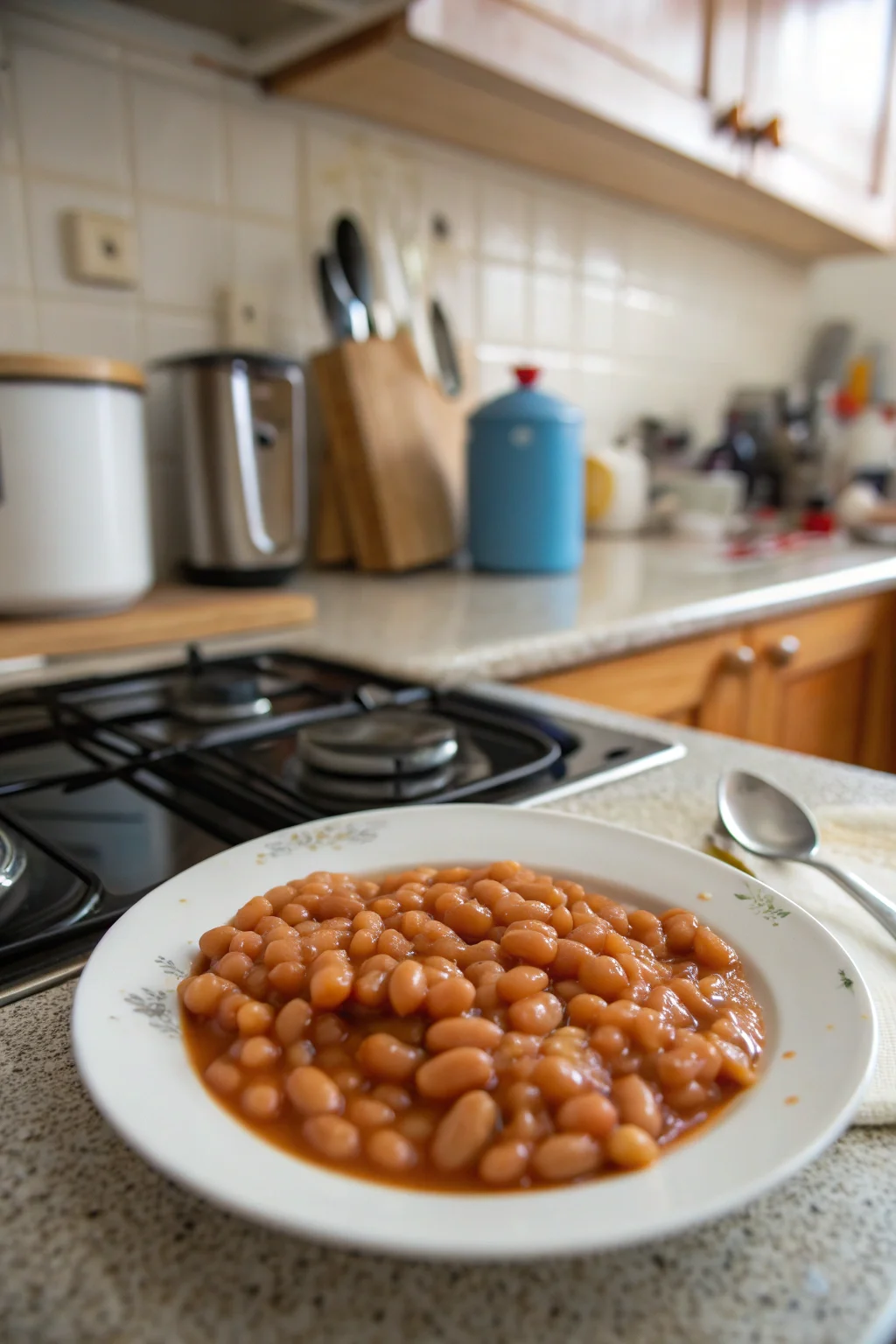
Yes, you can cook beans directly in a slow cooker without soaking. However, expect the cooking time to increase by about 1-2 hours. It’s crucial to ensure beans are fully cooked, as undercooked beans can cause digestive issues and, in some cases, food safety concerns. Kidney beans, for instance, contain a toxin called phytohaemagglutinin, which is neutralized only by sufficient cooking. Be sure to test a few beans for softness before serving, ensuring they’re tender all the way through.
To ensure safety, always cook kidney beans on high heat for the first hour to destroy the toxin, then reduce to low if desired. Other beans can be cooked on low throughout, but it’s always a good idea to check for doneness. If the beans are not soft after the expected cooking time, continue cooking and check every 30 minutes.
How Long Should Beans Soak Before Using a Slow Cooker?
Beans should ideally soak for 8-12 hours, or overnight, which allows them to absorb enough water to start the rehydration process fully. If you’re short on time, a quick soak method involves boiling the beans for 2-3 minutes, then letting them sit in hot water for an hour. This method can be a good alternative if you need beans ready quickly for slow cooking. Regardless of the soaking method, always drain and rinse the beans before adding them to the slow cooker to remove any residual sugars or impurities.
When using the quick soak method, make sure to cover the beans with plenty of water as they will expand. After soaking, rinse the beans thoroughly to wash away any remaining oligosaccharides that were released during soaking.
Does Soaking Beans Affect Their Nutritional Value?
Soaking can slightly reduce the levels of some vitamins and minerals as they leach into the soaking water, but the impact is minimal. The benefits of reduced cooking time and improved digestion often outweigh any small nutrient losses. Furthermore, soaking can help reduce phytic acid, an anti-nutrient that binds minerals like iron and zinc, thereby improving mineral absorption in your diet. This can be particularly beneficial for those relying on legumes as a significant source of nutrition.
Incorporating a variety of foods in your diet can help mitigate any minor losses in nutrients due to soaking. For example, pairing beans with foods rich in vitamin C, such as bell peppers or tomatoes, can enhance iron absorption.
What Type of Beans Benefit Most from Soaking?
Larger beans like kidney beans, chickpeas, and black beans benefit the most from soaking due to their size and density. These beans have a thicker outer skin, which can take a long time to break down during cooking if not pre-soaked. Smaller beans like lentils and split peas don’t require soaking, as they cook quickly even without pre-soaking. However, if you opt to soak smaller beans, they will still cook faster and may have improved texture.
When working with a mix of bean types, consider soaking and cooking them separately based on their size and density to ensure even cooking. This approach can prevent smaller beans from becoming mushy while waiting for larger beans to cook through.
Can Soaking Beans Help with Gas Reduction?
Yes, soaking beans can help reduce gas. The soaking process helps to leach out some of the oligosaccharides, the sugars responsible for gas production. For even better results, change the soaking water once or twice during the soak to further reduce these sugars. Some people also find that adding a pinch of baking soda to the soaking water can enhance this effect, although it may slightly alter the flavor and texture of the beans.
If using baking soda, use it sparingly to avoid an overly alkaline environment, which can lead to mushy beans. Typically, a quarter teaspoon per cup of beans is sufficient. Always rinse the beans thoroughly after soaking to remove any residual baking soda.
Are There Any Beans That Should Not Be Cooked in a Slow Cooker?
Kidney beans should be boiled for at least 10 minutes before being cooked in a slow cooker due to their lectin content, which can be toxic. This step breaks down the lectin and makes them safe to eat. Other beans can be cooked directly after soaking or rinsing, but always ensure they reach the appropriate level of doneness. It’s also wise to avoid cooking beans in a slow cooker if you’re unsure of their age or quality, as older beans can remain tough despite extended cooking.
To test the age and quality of your beans, soak a few overnight and see if they plump up evenly. If they remain wrinkled or hard, it might be time to invest in a fresh batch. Additionally, consider purchasing beans from a source with high turnover to ensure freshness.
Can You Pre-Soak Beans and Then Freeze Them?
Yes, you can pre-soak beans and freeze them for later use. This is an excellent strategy for meal prep and ensures you have ready-to-use beans without the need for last-minute soaking. Simply drain and rinse the soaked beans, then store them in airtight containers or freezer bags. Label the bags with the date and type of bean to keep your freezer organized. This method not only saves time but also helps prevent food waste by allowing you to soak larger batches of beans at once.
To use frozen soaked beans, simply add them directly to your slow cooker from the freezer. There’s no need to thaw them beforehand, although you might need to adjust the cooking time slightly.
How Do You Know If Your Beans Are Ready to Cook in a Slow Cooker?
After soaking, beans should be noticeably plump and have approximately doubled in size. They should be soft enough to bite into but still firm enough to hold their shape. If they’re wrinkled or shriveled, they may be too old and won’t cook properly, no matter how long they’re soaked or cooked. Be sure to discard any beans that float during soaking, as this can be a sign of spoilage or compromised quality.
For optimal results, sort through the beans before soaking to remove any debris or damaged beans. This simple step can improve the overall quality and safety of your dish.
What’s the Best Way to Flavor Beans in a Slow Cooker?
To enhance the flavor of your beans, consider adding aromatics like onions, garlic, bay leaves, and herbs to the slow cooker. You can also include spices such as cumin or chili powder to complement the beans’ earthy flavors. For an added depth of taste, consider using broth or stock instead of water as your cooking liquid. Remember, salt should be added towards the end of cooking to prevent the beans from becoming tough. If you’re looking to create a specific flavor profile, experiment with different combinations of spices and aromatics to see what works best for your taste.
For a rich, smoky flavor, consider adding smoked paprika or a small piece of smoked meat like ham hock or bacon. These ingredients can impart a delightful depth of flavor that transforms a simple bean dish into something extraordinary.
Wrap-Up
Whether you choose to soak your beans before using a slow cooker depends on your time constraints and flavor preferences. While soaking offers several advantages, including reduced cooking time and improved digestibility, it’s not an absolute necessity for every recipe. Understanding the pros and cons can help you make the best decision for your cooking needs. If you’re interested in more cooking tips, check out our guide to the best slow cooker recipes or learn how to maximize flavor with seasonings. For further reading, you might find the Harvard T.H. Chan School of Public Health’s article on legumes helpful.