Cooking chicken in a crockpot is a convenient and popular method for achieving tender and flavorful dishes. The appeal of using a crockpot lies in its ability to transform tough meat cuts into succulent, delectable meals with minimal hands-on effort. But how exactly does cooking time affect the tenderness of chicken? If you’ve ever wondered whether leaving your chicken in the crockpot for longer makes it more tender, you’re not alone. In this comprehensive guide, we’ll explore this question and offer tips for perfect slow-cooked chicken every time.
How Does Slow Cooking Affect Chicken Tenderness?
Slow cooking helps break down the collagen in chicken, which makes the meat more tender. Collagen is a protein found in connective tissues that, when cooked slowly and at low temperatures, transforms into gelatin, giving the meat a tender, juicy texture. The low, steady heat allows the chicken to cook evenly and thoroughly, without drying out, as it retains moisture better than high-heat methods. However, be cautious: cooking it too long can lead to overly soft or mushy textures, where the chicken loses its structure and becomes less palatable.
To maximize tenderness without compromising texture, it’s crucial to understand how different cuts react to the slow-cooking process. For instance, darker meat cuts like thighs and drumsticks have more collagen and fat, which benefit significantly from slow cooking, resulting in a rich, unctuous flavor. On the other hand, chicken breasts, being leaner, have less collagen and can become dry or pasty if overcooked. Understanding these dynamics can help you achieve the desired tenderness and flavor in your crockpot chicken dishes.
Is Longer Cooking Time Always Better for Chicken in a Crockpot?
Not necessarily. While longer cooking can tenderize chicken, too much cooking can cause it to become too soft or fall apart. This is particularly true for chicken breasts, which are more prone to drying out due to their lower fat content. It’s important to find the right balance based on the type of chicken cut and your desired texture. Generally, chicken breasts require less time than thighs. The key is to cook the chicken until it reaches the ideal level of tenderness while maintaining enough structure to hold together.
One way to achieve this balance is by understanding the characteristics of different chicken cuts. Chicken thighs, with their higher fat content, tend to remain moist and flavorful over longer cooking periods. They are forgiving and can handle extended cooking without losing quality. On the other hand, chicken breasts, with their delicate and lean nature, require more attention to prevent overcooking. By adjusting cooking times for different cuts, you can enjoy perfectly cooked chicken every time.
What is the Ideal Cooking Time for Chicken in a Crockpot?
The ideal cooking time can vary based on the chicken cut and the settings of your crockpot. Here’s a general guideline to follow:
- Chicken breasts: 3-4 hours on low or 2-3 hours on high. The lean nature of breasts makes them cook faster, so keeping an eye on them is crucial to avoid dryness.
- Chicken thighs: 4-6 hours on low or 3-4 hours on high. Thighs are more forgiving due to their higher fat content and can withstand longer cooking times.
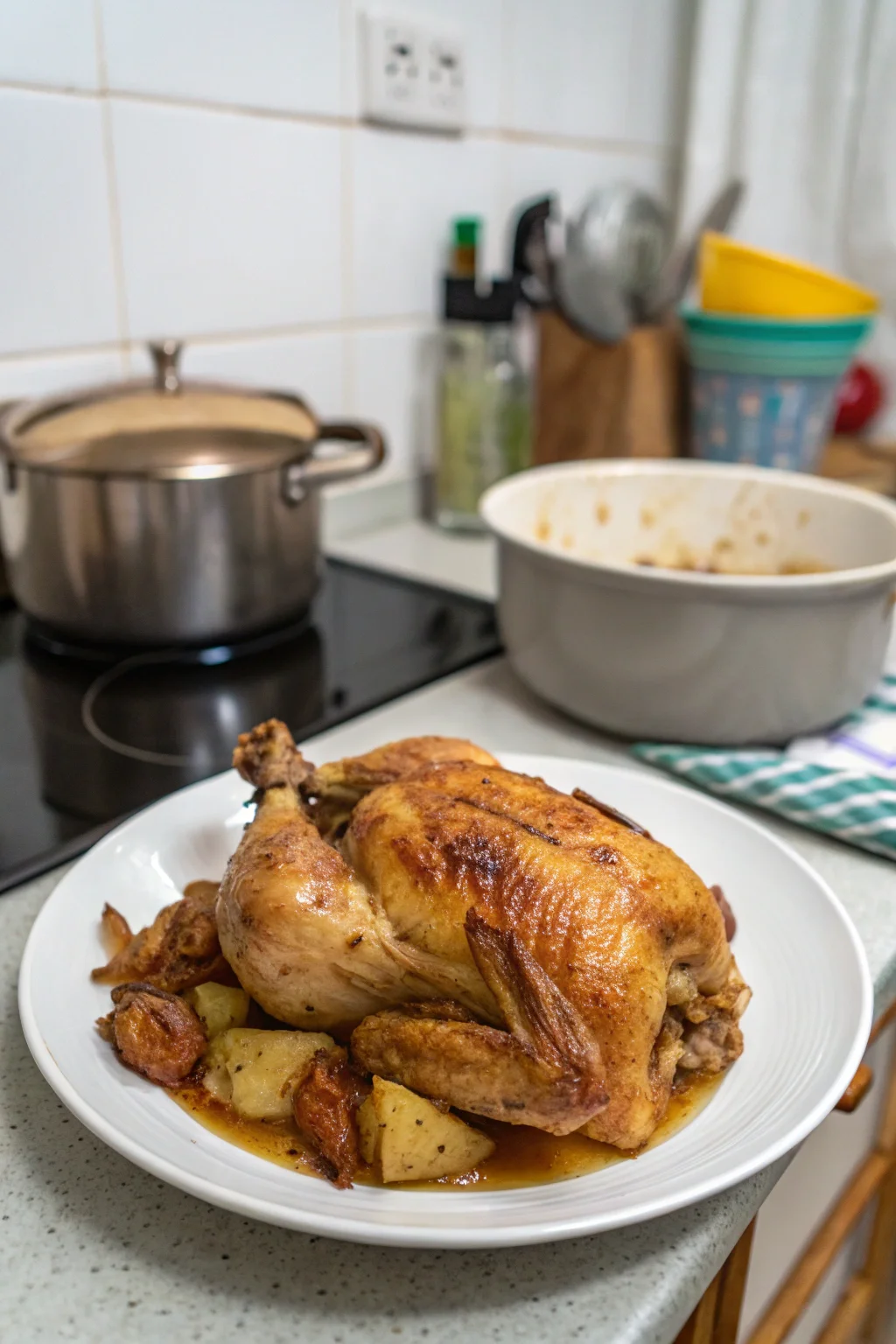
- Whole chicken: 6-8 hours on low or 4-5 hours on high. Cooking a whole chicken requires more time to ensure even cooking throughout and to allow flavors to meld.
Using a meat thermometer to ensure the internal temperature reaches 165°F (74°C) is crucial for food safety and optimal texture. The thermometer provides an accurate measure of doneness, ensuring your chicken is cooked through without overcooking. Insert the thermometer into the thickest part of the meat, avoiding bone, for the most accurate reading.
Can You Overcook Chicken in a Crockpot?
Yes, overcooking can happen even in a crockpot. Extended cooking times can result in dry, tough, or mushy chicken. To avoid this, stick to the recommended cooking times and regularly check for doneness with a thermometer. Overcooked chicken can lose its appealing texture and flavor, becoming stringy or falling apart. Monitoring the cooking process and adjusting times based on your specific crockpot model and the size of chicken pieces can help prevent these issues.
To further prevent overcooking, consider using the “keep warm” setting if your crockpot has one. This feature maintains a safe temperature without continuing to cook the chicken, allowing you to serve it at your convenience without compromising quality. Additionally, using a programmable crockpot with a timer can help manage cooking times more precisely, especially if you have a busy schedule.
How Can You Tell When Chicken is Done in a Crockpot?
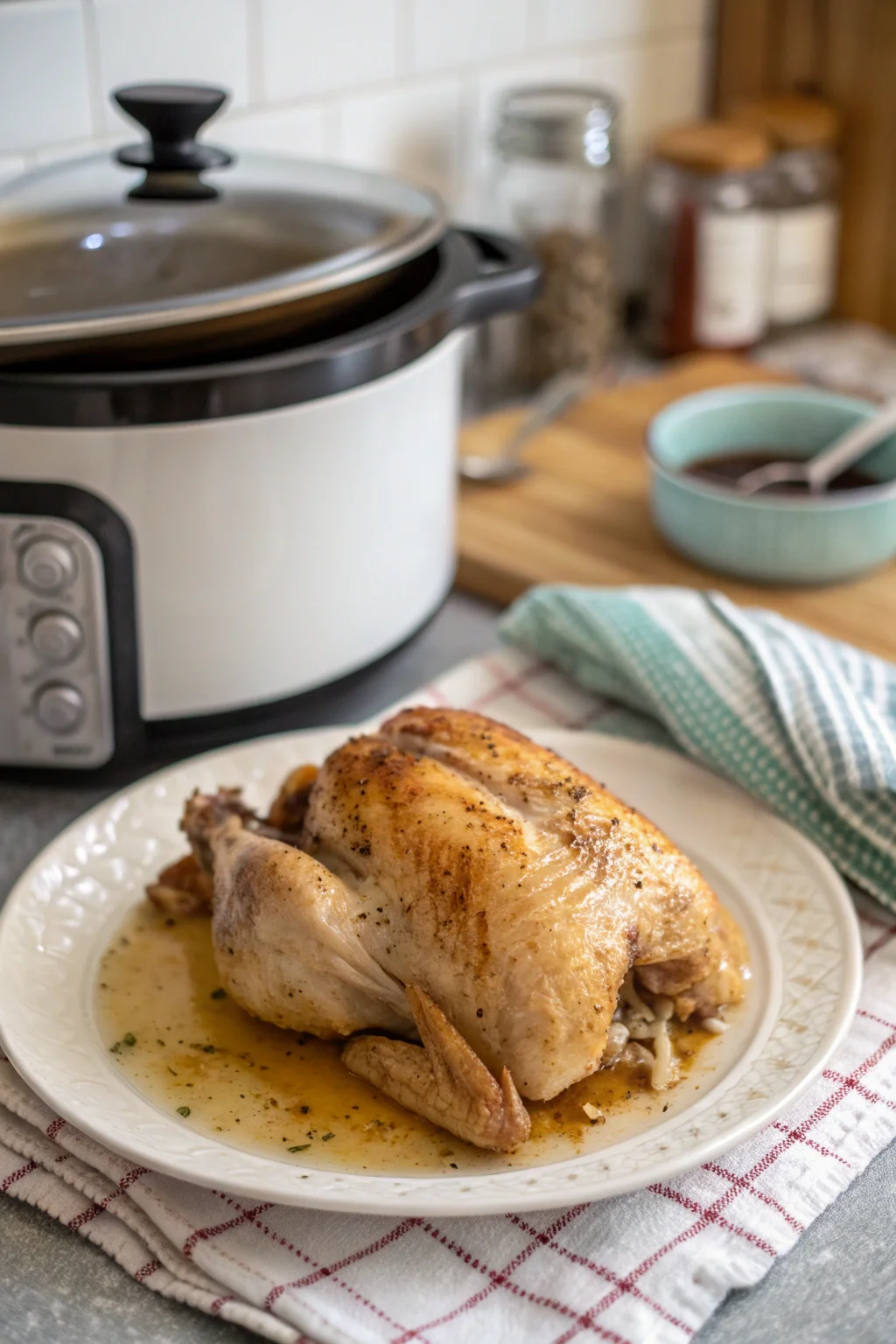
Determining when your chicken is done in a crockpot involves checking for several signs of doneness:
- The internal temperature should be at least 165°F (74°C). This temperature ensures that any harmful bacteria have been eliminated, making the chicken safe to eat.
- Juices run clear when pierced with a fork. Clear juices indicate that the chicken is thoroughly cooked.
- Meat is white, not pink, throughout. Any pinkness in the meat suggests it needs more cooking time.
These indicators help ensure that your chicken is not only safe to eat but also tender and juicy. If you’re ever in doubt, a meat thermometer is your best tool for confirming doneness.
Does the Type of Chicken Cut Affect Cooking Time?
Absolutely. Different cuts of chicken cook at different rates due to variations in fat content and muscle structure:
- Breasts: Leaner cuts like chicken breasts cook faster and are more prone to drying out. They require less cooking time and benefit from careful monitoring.
- Thighs and legs: These cuts have more fat and connective tissue, which take longer to break down and render the meat tender. They are ideal for slow cooking due to their ability to stay moist.
- Whole chicken: Cooking a whole bird takes the longest, as the heat must penetrate to the center. The slow cooking process allows flavors to infuse throughout the meat, resulting in a deliciously tender dish.
Understanding these differences allows you to adjust cooking times and methods to suit your preferred cuts, ensuring each piece is cooked to perfection.
Do You Need to Add Liquid When Cooking Chicken in a Crockpot?
Adding liquid when cooking chicken in a crockpot is often beneficial to prevent drying out and to enhance flavor. While it’s possible to cook without added liquid, doing so can result in less flavorful and potentially dry chicken. Here are some options to consider:
- Broth or stock: Adds depth and rich flavor, complementing the chicken and any additional ingredients.
- Wine or beer: Adds complexity and can enhance the overall taste profile of the dish, especially when paired with complementary herbs and spices.
- Tomato sauce or puree: Adds richness and a slightly tangy flavor, which can be balanced with other seasonings.
When adding liquid, ensure there’s enough to cover the bottom of the crockpot but not so much that the chicken is submerged, which can lead to a boiled texture instead of a slow-cooked one. Adjust the amount of liquid based on the recipe and the additional ingredients used.
Can You Cook Frozen Chicken in a Crockpot?
The USDA advises against cooking frozen chicken in a crockpot due to food safety concerns. Slow cookers may not reach temperatures quickly enough to prevent bacteria growth, potentially leading to unsafe food. Thaw chicken fully before cooking to ensure even cooking and prevent bacteria growth. For safe thawing methods, consider:
- Refrigerator thawing: Plan ahead and thaw chicken in the refrigerator. This method is the safest and maintains the best quality.
- Cold water thawing: If short on time, place the chicken in a sealed plastic bag and submerge it in cold water, changing the water every 30 minutes until thawed.
For further information, refer to USDA Guidelines on Slow Cooking.
What Are Some Tips for Tender Crockpot Chicken?
To achieve tender and flavorful crockpot chicken, consider the following tips:
- Avoid overcrowding: Allow space for even heat distribution around the chicken. Overcrowding can result in uneven cooking and less tender meat.
- Use low heat: Slower cooking often yields better texture and flavor, allowing time for collagen to break down and flavors to meld.
- Cut uniform pieces: Ensures even cooking, as pieces of similar size will cook at the same rate.
- Season well: Enhances flavor during the cooking process. Consider marinating the chicken before cooking for added depth.
By following these tips, you’ll enhance the overall quality of your crockpot chicken dishes, ensuring they are tender, juicy, and full of flavor.
Should You Sear Chicken Before Slow Cooking?
Searing chicken before slow cooking can enhance the flavor by caramelizing the meat surface and locking in juices. The Maillard reaction, which occurs during searing, creates a rich, savory crust that adds depth to your dish. While searing is not necessary, it can provide a more complex flavor profile and an appealing appearance.
To sear chicken, heat a small amount of oil in a pan over medium-high heat. Add the chicken pieces and cook until golden brown on each side. Once seared, transfer the chicken to the crockpot and proceed with your slow-cooking recipe. This extra step can make a significant difference in the final taste and texture of your dish.
How Can You Prevent Chicken from Becoming Mushy in a Crockpot?
To prevent chicken from becoming mushy in a crockpot, consider the following strategies:
- Monitor cooking time: Stick to recommended durations and check for doneness regularly. Overcooking is a common cause of mushy textures.
- Avoid over-liquid: Use enough liquid to cover the bottom but not submerge the chicken fully. Excess liquid can lead to a boiled, mushy texture.
- Choose the right cut: Thighs hold their structure better than breasts over long cooking periods. They are less likely to become mushy due to their higher fat content.
These precautions help maintain the desired texture, ensuring your chicken remains tender without losing its structure.
Are There Benefits to Cooking Chicken on Low Versus High in a Crockpot?
Cooking on low typically results in more tender chicken, as it allows time for flavors to meld and collagen to break down into gelatin. The gradual cooking process enhances the overall texture and flavor, making the chicken more succulent. High settings cook faster but may risk tougher textures if not monitored, as the quick cooking might not allow sufficient time for collagen breakdown.
If time permits, opting for the low setting is usually preferable, especially for tougher cuts like thighs and legs. The low setting provides a more even cook, reducing the risk of overcooking or drying out the meat. However, if you’re short on time, using the high setting with careful monitoring can still yield delicious results.
What Are Some Flavorful Additions to Crockpot Chicken?
Enhance your crockpot chicken with a variety of flavorful additions. These ingredients can transform a simple dish into a culinary delight:
- Herbs and spices: Rosemary, thyme, and garlic are classic additions that complement chicken well. Consider experimenting with paprika, cumin, or curry powder for a different twist.
- Aromatics: Onions, leeks, and celery add depth and complexity. Sautéing these aromatics before adding them to the crockpot can intensify their flavors.
- Citrus: Lemon or lime juice adds brightness and can help balance richer flavors. Adding citrus zest can also enhance the aromatic profile.
- Sauces: Soy sauce, balsamic vinegar, or Worcestershire sauce can add depth and umami. Consider using these as part of a marinade or adding them directly to the crockpot.
These additions not only improve flavor but also contribute to the overall aroma and visual appeal of your dish, making it more enjoyable to eat.
How Can You Use Leftover Crockpot Chicken Creatively?
Leftover crockpot chicken is versatile and can be repurposed into various dishes, minimizing waste and maximizing value:
- Salads: Shred the chicken and toss it into a fresh salad with greens, avocado, cherry tomatoes, and a light vinaigrette. This makes for a quick and healthy meal.
- Tacos or wraps: Use the chicken as a filling for tacos or wraps, adding your favorite toppings like salsa, cheese, and guacamole for added flavor.
- Soup or stew: Add the chicken to a broth with vegetables and grains for a hearty soup. Consider adding spices or herbs for extra warmth and depth.
- Pasta dishes: Incorporate the chicken into a pasta dish with your choice of sauce, such as Alfredo, pesto, or marinara, for a satisfying meal.
For more inspiration, check out our Chicken Recipe Collection.
Wrap-Up
Cooking chicken in a crockpot can yield deliciously tender results when done correctly. The key lies in balancing cooking time with the type of cut and your desired level of tenderness. By following these tips, you’ll be able to enjoy perfectly cooked crockpot chicken every time. Remember to adjust cooking times based on your specific crockpot model and the size of chicken pieces, and don’t be afraid to experiment with different flavors and ingredients. For more slow cooking tips and inspiration, explore our Slow Cooker Recipes.