Recipes for Beginners, Cooking can seem intimidating at first, but it doesn’t have to be. Whether you’re a novice in the kitchen or looking for quick meal ideas, starting with simple recipes can boost your confidence. This guide will answer common questions about easy foods to cook, making your culinary journey enjoyable and stress-free.
What are the easiest foods to cook for beginners?
For beginners, starting with straightforward recipes is key. Some of the easiest foods to cook include:
Scrambled eggs: Whisk eggs with a pinch of salt and pepper, then cook them in a non-stick pan with a little butter or oil. Stir gently with a spatula until the eggs are just set.
Grilled cheese sandwich: Butter two slices of bread generously. Place a slice of cheese, such as cheddar or American, between them. Heat a skillet over medium heat and cook the sandwich until the bread is golden brown and the cheese has melted, flipping once.
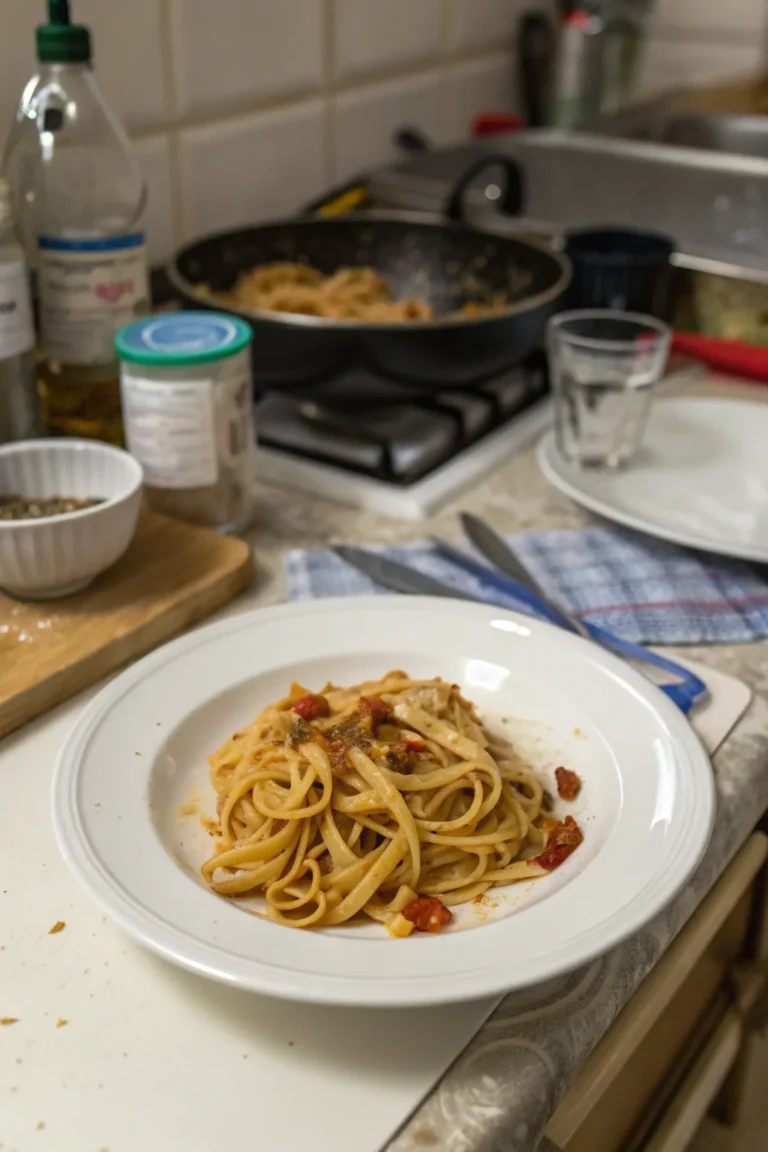
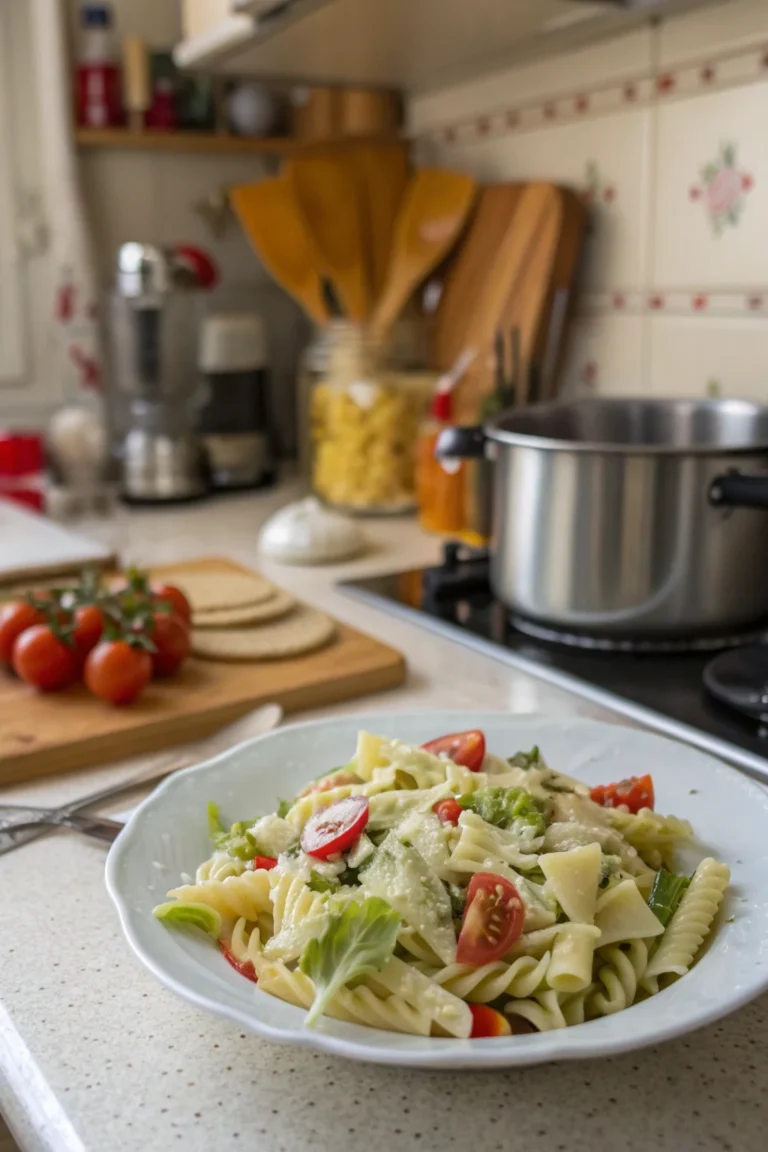
Pasta with tomato sauce: Boil pasta in salted water according to package instructions. In a separate pan, heat jarred tomato sauce until it simmers. Combine with the drained pasta and sprinkle with Parmesan cheese for extra flavor.
These dishes require minimal ingredients and equipment, making them perfect for those just starting out. They also allow room for experimentation, like adding herbs to your scrambled eggs or trying different types of cheese in your grilled sandwich. Check out our beginner’s guide to cooking basics.
How can I make cooking less overwhelming?
To make cooking less daunting:
Plan ahead: Choose simple recipes and gather all ingredients before starting. This preparation means you won’t feel rushed or stressed while cooking.
Start small: Focus on one dish at a time to avoid feeling overwhelmed. As you gain confidence, you can start planning multi-course meals.
Use pre-prepped ingredients: Opt for pre-chopped vegetables or pre-cooked proteins to save time. Many grocery stores offer these conveniences, which can be a real help on busy days.
Set up your workspace: Ensure your workspace is clean and organized. This can help you focus and make the cooking process smoother.
Building confidence in the kitchen takes time, so be patient with yourself. Celebrate small victories, like perfectly scrambled eggs or a nicely browned grilled cheese. Explore more tips for stress-free cooking here.
What kitchen tools do I need as a beginner?
Essential tools for a beginner include:
Chef’s knife: A versatile knife for most cutting tasks. Invest in a good quality one as it will make chopping, slicing, and dicing much easier.
Cutting board: Protects your counters and keeps cutting safe. Consider having separate boards for meats and vegetables to prevent cross-contamination.
Non-stick skillet: Ideal for eggs, pancakes, and other delicate foods. A non-stick surface makes cooking and cleanup much easier.
Saucepan: Necessary for boiling and simmering. It’s handy for making sauces, cooking rice, or heating soups.
Measuring cups/spoons: Ensures precise ingredient measurements. These are crucial for baking, where precision is key, but also helpful in everyday cooking.
Starting with these basics will cover most beginner recipes and set you up for success. As you continue cooking, you can slowly expand your kitchen arsenal with specialized tools like a blender or food processor. For more on essential kitchen tools, visit Serious Eats.
How do I cook pasta perfectly?
Cooking pasta is simple:
Boil water: Use a large pot with plenty of salted water. The water should taste as salty as the sea, which helps season the pasta.
Add pasta: Stir it occasionally to prevent sticking. Different pasta shapes might require slight variations in cooking time, so keep an eye on it.
Test for doneness: Taste a piece a minute before the package’s suggested time; it should be al dente, meaning it still has a slight bite to it.
Reserve pasta water: Save a cup of this starchy water before draining the pasta. It can help thicken or bind the sauce when combined later.
Drain and serve: Avoid rinsing cooked pasta unless the recipe specifically calls for it. Combine with your favorite sauce and enjoy.
Perfectly cooked pasta is a quick and satisfying meal. Experiment with different sauces, like pesto or Alfredo, once you master the basics. Learn more about pasta cooking techniques.
What are some healthy and easy recipes for beginners?
Healthy cooking doesn’t have to be difficult. Try these easy recipes:
Stir-fried vegetables: Use a mix of your favorite vegetables, such as bell peppers, broccoli, and carrots. Stir fry them in a hot pan with soy sauce and a dash of sesame oil for flavor. Add tofu or chicken for protein.
Baked salmon: Season salmon fillets with lemon, salt, pepper, and your choice of herbs like dill or parsley. Bake at 400°F for 12-15 minutes, depending on thickness. The fish should flake easily with a fork.
Quinoa salad: Cook quinoa according to package instructions. Once cooled, combine it with diced vegetables such as cucumbers and cherry tomatoes. Dress with a simple vinaigrette made of olive oil, lemon juice, salt, and pepper.
These dishes are nutritious, quick, and simple to prepare. They also allow you to incorporate seasonal produce, which can enhance flavor and nutrition. Explore more healthy recipe ideas for beginners.
How can I improve my cooking skills over time?
To enhance your cooking skills:
Practice regularly: Cook as often as possible to gain experience. Each time you cook, you’ll become more efficient and confident.
Try new recipes: Gradually increase complexity as you become more comfortable. Challenge yourself with a new dish once a week.
Watch cooking shows or videos: Visual aids can offer tips and techniques. Seeing a dish prepared can be more enlightening than just reading a recipe.
Take notes: Keep a cooking journal or digital notes of what works and what doesn’t. This can help you remember techniques or variations you liked.
Improvement comes with time and practice, so keep experimenting and learning. Don’t be afraid to make mistakes; they’re often the best teachers. Discover more ways to advance your cooking skills.
What are some simple breakfast ideas for beginners?
Easy breakfast options include:
Overnight oats: Combine rolled oats with milk or a milk alternative in a jar. Add your favorite toppings like berries, nuts, or honey, and refrigerate overnight.
Smoothies: Blend fruits such as bananas and berries with yogurt and a liquid of your choice, like milk or juice, for a quick, nutritious meal. Add spinach or kale for extra greens.
Avocado toast: Top toasted bread with smashed avocado. Season with salt, pepper, and a squeeze of lemon juice. Add toppings like poached eggs or tomatoes for variety.
These breakfasts are easy to prepare and can be customized to your taste. They’re also portable, making them great for busy mornings. For more breakfast ideas, check out these beginner-friendly breakfast recipes.
What are some quick and easy dinner recipes?
Quick dinners can be both delicious and simple:
Tacos: Use rotisserie chicken or canned beans as a base. Add toppings like shredded cheese, lettuce, salsa, and avocado. Serve with warm tortillas.
Fried rice: Sauté leftover rice with diced vegetables, a beaten egg, and soy sauce. Add cooked shrimp or chicken for protein.
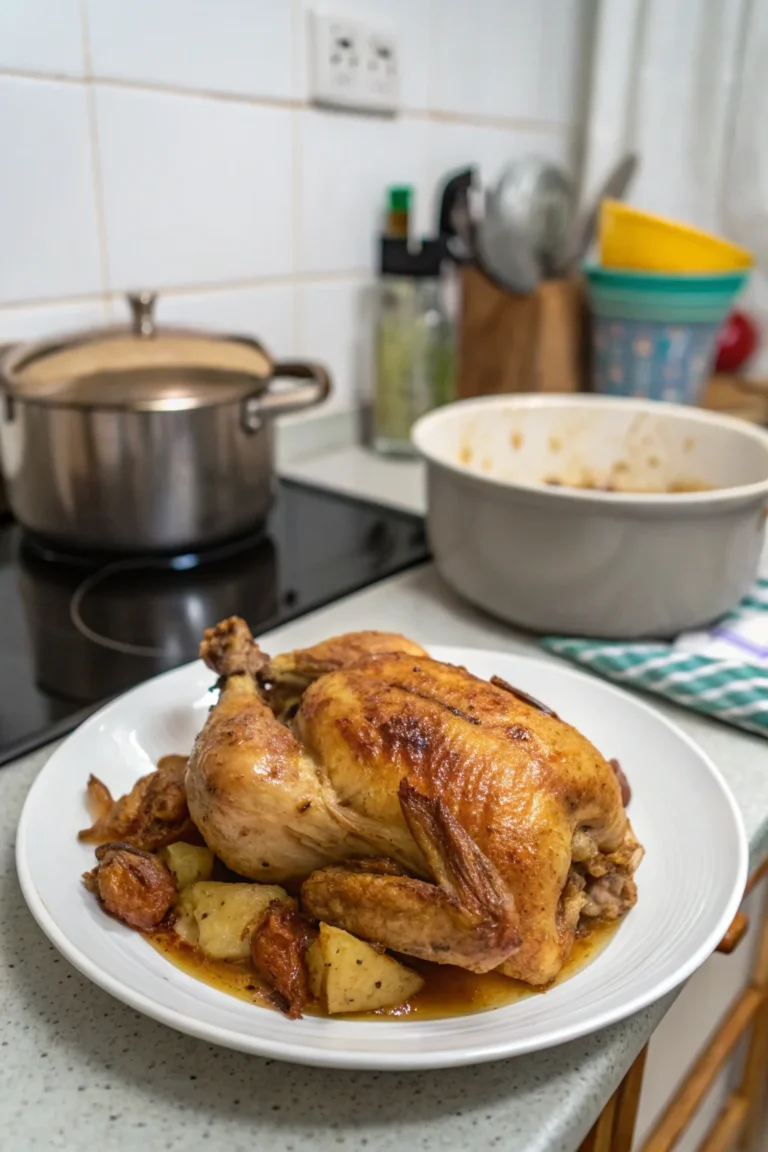
Sheet pan chicken: Arrange chicken pieces and vegetables like potatoes and carrots on a baking sheet. Season with olive oil, salt, and pepper, and roast until cooked through.
These recipes minimize prep and cleanup, making them perfect for weeknights. They’re also easy to modify based on what you have in your pantry. Find more quick dinner ideas for busy nights.
How can I make sure my food tastes good?
To ensure your food is flavorful:
Season properly: Use salt, pepper, and herbs to enhance taste. Don’t be afraid to experiment with spices like cumin or paprika.
Taste as you cook: Adjust seasoning as needed. This helps you learn how different ingredients affect flavor.
Follow recipes: Stick to the instructions until you become more confident in improvising. As you gain experience, you’ll start to understand how to tweak flavors to your liking.
Flavorful food comes from practice and attention to detail. Understanding the balance of sweet, salty, sour, and bitter can elevate your dishes. Explore this guide on seasoning your dishes.
What are some simple dessert recipes for beginners?
Easy desserts include:
Chocolate mug cake: Combine flour, sugar, cocoa powder, a pinch of baking powder, milk, and a little oil in a mug. Microwave for a quick treat. Experiment by adding chocolate chips or vanilla extract.
Fruit salad: Combine fresh fruits like berries, melon, and grapes. Drizzle with honey or lime juice for added flavor. Mint leaves can add a refreshing touch.
Rice pudding: Cook rice with milk and sugar, stirring frequently until creamy. Add cinnamon or vanilla for flavor. Raisins or nuts can provide texture.
These desserts are quick to prepare and require minimal ingredients. They’re perfect for satisfying a sweet tooth without much effort. Check out more easy dessert ideas.
How can I meal prep as a beginner?
Meal prepping can save time and money. Start by:
Planning meals: Choose recipes that use similar ingredients to reduce waste and save money.
Batch cooking: Make large quantities of staples like rice or grilled chicken and portion them for the week. This can simplify lunches and dinners.
Investing in quality containers: Use airtight containers to keep food fresh. Consider different sizes for full meals versus snacks.
Labeling and organizing: Clearly label your containers with dates and contents. This prevents confusion and helps you eat through your food before it spoils.
Meal prepping simplifies your weekly cooking routine and ensures you have nutritious meals ready to go. Learn more about beginner-friendly meal prep.
What should I do if I make a cooking mistake?
Mistakes happen, but they can be fixed:
Too salty: Add a splash of vinegar or a bit more of the main ingredient to balance the flavor.
Overcooked: Use sauces or broths to restore moisture to dishes like meats or grains.
Burnt food: Remove burnt parts and continue cooking carefully. If possible, transfer the remaining food to a clean pan to prevent further burning.
Undercooked: Return it to the heat and check frequently to avoid overcooking.
Don’t be discouraged by errors; they are part of the learning process. Each mistake is an opportunity to learn and improve. Discover more tips on fixing cooking mistakes.
How can I stay motivated to cook regularly?
Stay motivated by:
Setting goals: Try new recipes or cuisines each week to keep things exciting.
Involving others: Cook with friends or family for fun. Hosting a dinner party can also be a great motivator.
Rewarding yourself: Treat yourself to a special ingredient or meal out after reaching a cooking milestone.
Documenting progress: Keep a photo diary of your dishes. Seeing your growth over time can be incredibly satisfying.
Cooking can be a rewarding and enjoyable hobby. It’s a skill that improves with practice and brings joy both in the process and in sharing meals with others. Explore these tips to stay motivated in the kitchen.
Conclusion
Cooking doesn’t have to be complicated, especially when starting with the easiest foods to cook. By following simple recipes, using basic tools, and practicing regularly, you’ll soon find confidence and joy in the kitchen. Remember, the key is to start small, learn from mistakes, and keep experimenting. Happy cooking!