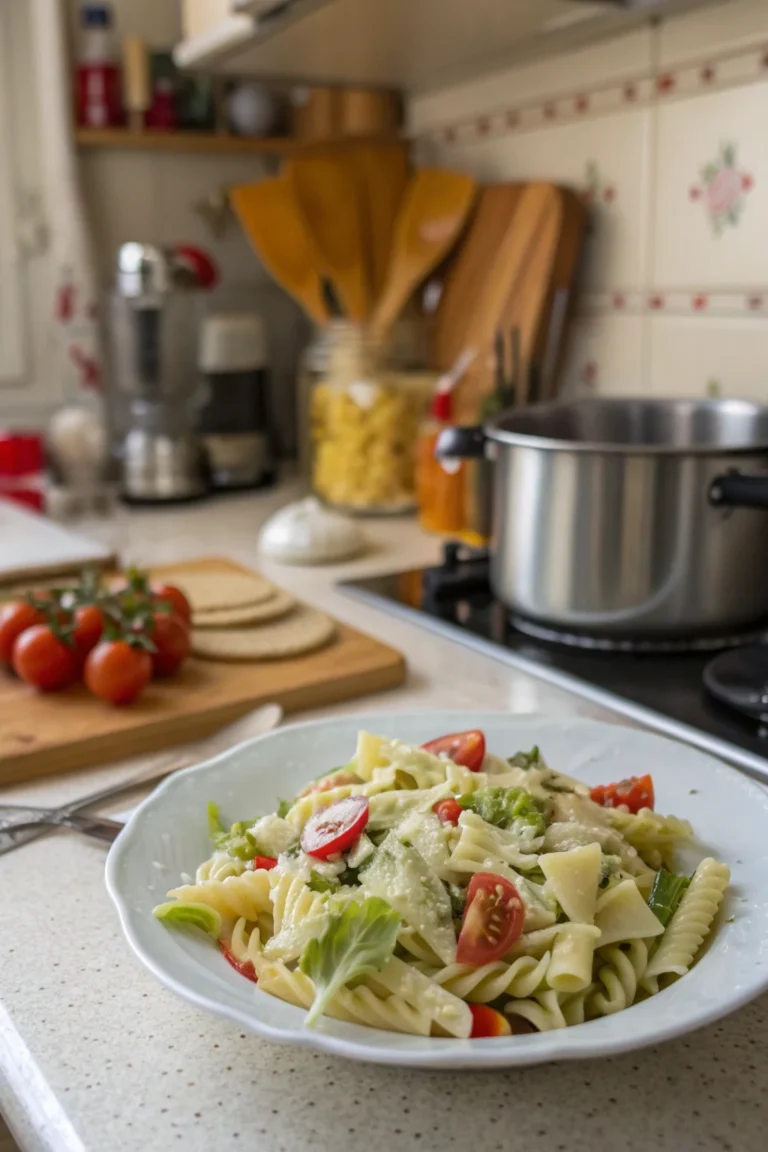
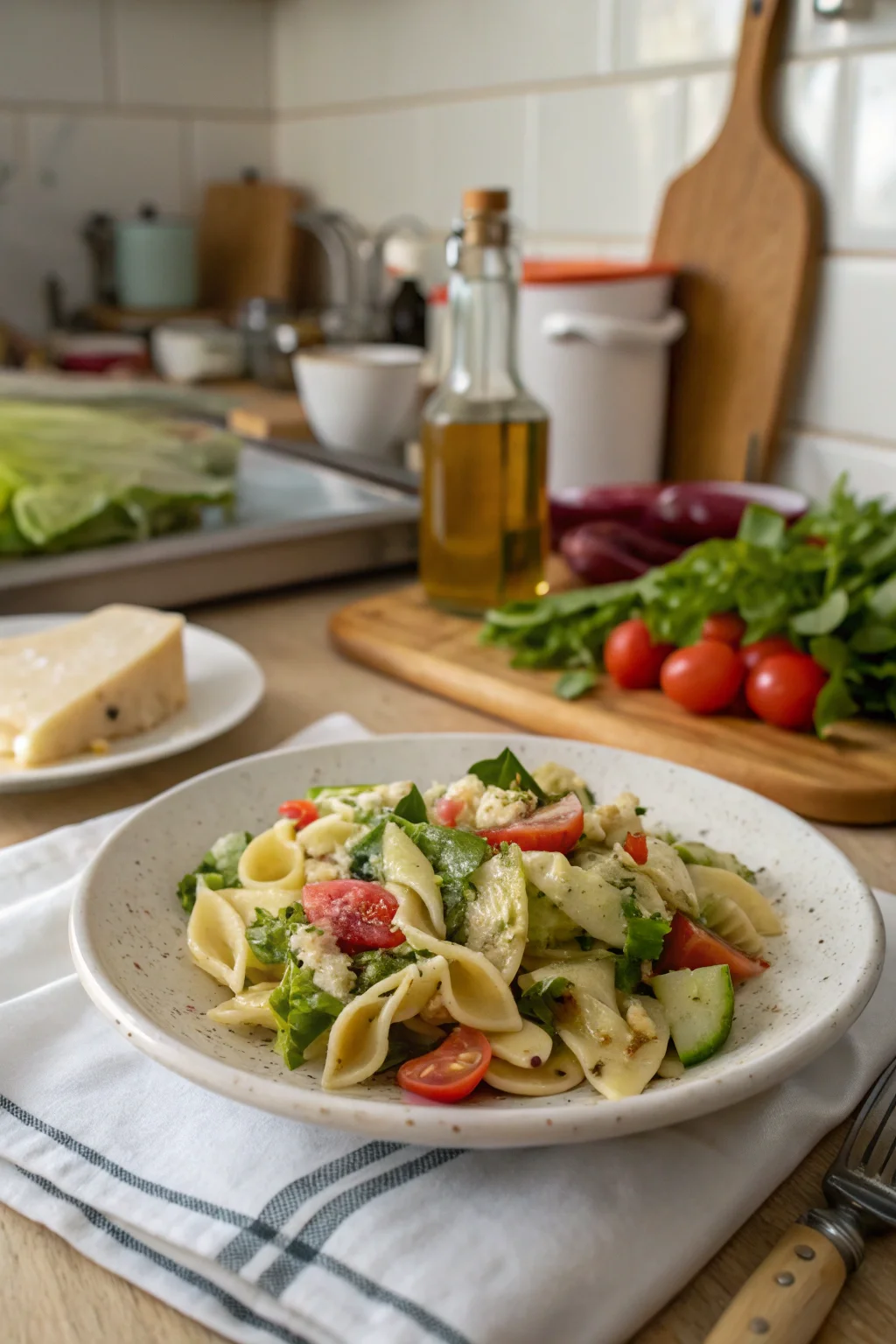
Pasta salad is a versatile and delicious dish, perfect for picnics, potlucks, or as a side dish for family dinners. However, making sure your pasta salad is not soggy can be a challenge. In this ultimate guide, we’ll answer common questions and provide tips to help you create the perfect pasta salad that’s flavorful and fresh, every time.
Why Does Pasta Salad Become Soggy?
Pasta salad becomes soggy primarily due to overcooked pasta and excess moisture. When pasta is overcooked, it absorbs too much water, leading to a mushy texture. Additionally, not draining the pasta thoroughly or adding wet ingredients can introduce extra moisture.
To prevent this, cook the pasta al dente, ensuring it retains a firm structure. Al dente means “to the tooth” in Italian, and it refers to pasta that is cooked until it offers a slight resistance when bitten. This texture is ideal for pasta salads because the pasta will continue to absorb some dressing and moisture from other ingredients even after it’s mixed in. Always drain it well and consider rinsing it under cold water to stop the cooking process and remove excess starch, which can make the pasta sticky and more prone to absorbing too much dressing.
How Long Should You Cook Pasta for Pasta Salad?
Cooking pasta to the right texture is crucial. Aim for al dente, where the pasta is firm to the bite but not hard. Typically, this means cooking the pasta for 1-2 minutes less than the package directions suggest. Test the pasta a minute before the recommended time by tasting a piece. If it has a slight bite, it’s ready. Overcooking will result in soggy pasta once mixed with dressing and other ingredients.
Using a timer can be very helpful in achieving the perfect pasta texture, especially if you’re multitasking in the kitchen. Keep in mind that different types of pasta will have different cooking times. For example, whole wheat pasta may take a bit longer than regular pasta, while gluten-free varieties can vary greatly depending on the ingredients used. Always check the texture before draining, as the residual heat can continue to soften the pasta.
Should You Rinse Pasta for Pasta Salad?
Yes, rinsing pasta is a key step in making pasta salad. After draining, rinse the pasta under cold water. This stops the cooking process, preventing it from becoming overly soft. It also removes surface starch, which can cause the pasta to stick together and absorb too much dressing. Make sure to drain the pasta thoroughly after rinsing to avoid excess water in your salad.
Use a colander with fine holes to ensure all the water drains out effectively. If you leave any water on the pasta, it can dilute your dressing and affect the overall texture of the salad. You can also gently shake the colander or give it a light toss to help remove any trapped water.
What Ingredients Can Make Pasta Salad Soggy?
Certain ingredients can add unwanted moisture to your pasta salad. Fresh tomatoes, for example, are naturally juicy, and their seeds and pulp can add water to the dish. Cucumbers, especially the common slicing variety, are another culprit due to their high water content.
To combat this, choose ingredients wisely:
- Seedless Cucumbers: These varieties, also known as English cucumbers, have fewer seeds and a firmer texture.
- Cherry Tomatoes: Halving and deseeding them can reduce excess moisture.
- Well-drained Canned Ingredients: Rinse beans, olives, and other canned items under cold water and let them drain thoroughly.
Additionally, ensure that any cooked ingredients, like vegetables, are cooled and drained properly before adding them to your salad. Roasted vegetables, while delicious, can release oils and moisture as they sit, so pat them dry if necessary.
How Can You Prevent Dressing from Making Pasta Salad Soggy?
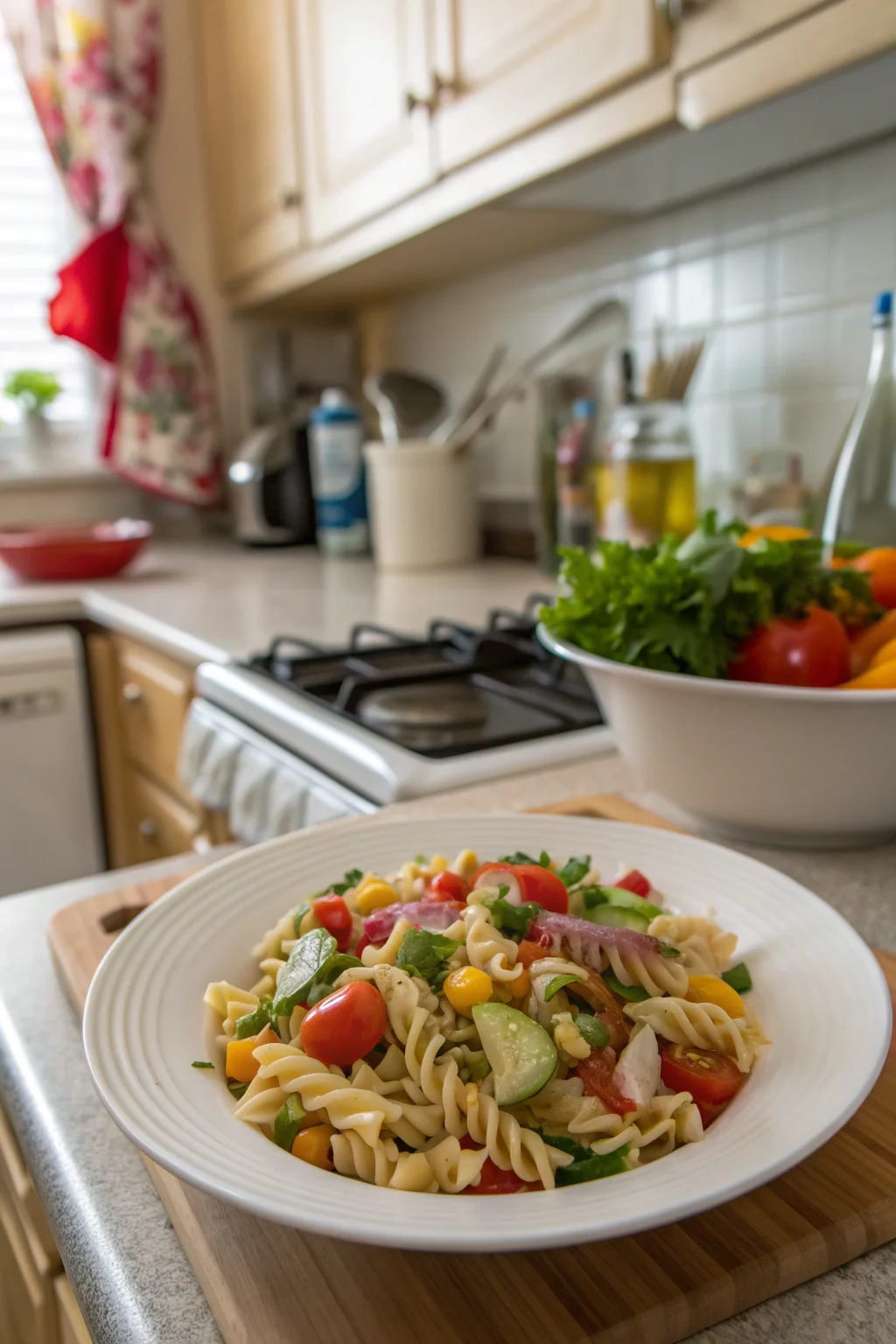
To prevent the dressing from making your salad soggy, use a light hand when adding it. Start with a small amount and gradually add more until you reach your desired taste. Use thicker dressings, as they are less likely to be absorbed quickly by the pasta. You can also dress the salad just before serving to maintain a fresh texture.
Consider using emulsified dressings like vinaigrettes, which are less likely to separate and become watery. If you’re making a creamy dressing, using ingredients like Greek yogurt instead of mayonnaise can add thickness without the heaviness. For more tips on dressings, you might find this guide on pasta salad dressings helpful.
Is It Better to Make Pasta Salad the Night Before?
Making pasta salad the night before can enhance the flavors, but it does require some precautions to avoid sogginess. If you plan to prepare it in advance, keep the dressing separate and add it just before serving. This helps maintain the pasta’s texture.
To store, place the salad ingredients and dressing in airtight containers in the fridge to preserve freshness. If you want to infuse some flavor without using the dressing, consider tossing the pasta with a small amount of olive oil and a sprinkle of salt and pepper. This can help prevent the pasta from clumping and add a subtle layer of flavor.
Can You Use Any Type of Pasta for Pasta Salad?
While you can technically use any pasta, some types are better suited for pasta salad. Short, sturdy shapes like rotini, farfalle, or penne hold up well and mix easily with dressings and other ingredients. Their nooks and crannies are perfect for capturing bits of herbs, cheese, or dressing, ensuring every bite is flavorful.
Avoid thin, delicate pasta like spaghetti or angel hair, which can become mushy and clump together. These types of pasta don’t hold up well under the weight of other ingredients and can become a tangled mess. For more on pasta types, see our guide on choosing the right pasta for your dish.
How Do You Store Pasta Salad to Keep It Fresh?
To keep pasta salad fresh, store it in an airtight container in the refrigerator. This prevents the salad from absorbing fridge odors and drying out. If you haven’t mixed the dressing, store it separately and combine them just before serving.
For added freshness, cover the salad with a layer of plastic wrap before sealing the lid. This extra step can help reduce air exposure, which can cause the ingredients to dry out or lose flavor. Consume the salad within 3-5 days for the best taste and texture. If the pasta salad contains any ingredients that spoil quickly, like soft cheeses or seafood, aim to consume it sooner.
Can You Freeze Pasta Salad?
Freezing pasta salad is generally not recommended, as it can alter the texture of the pasta and other ingredients. Freezing causes the pasta to become mushy once thawed. If you must freeze it, do so without dressing, and add the dressing after thawing.
Some components of pasta salad freeze better than others. For instance, cooked pasta and certain vegetables like bell peppers can fare better than others like cucumbers or fresh herbs. However, the overall quality will still be compromised. For more on freezing pasta dishes, check out our tips on freezing meals.
What Are the Signs of a Soggy Pasta Salad?
A soggy pasta salad typically has a mushy texture where the pasta loses its firmness. The dressing may appear watery, and the ingredients may lack crispness. If the salad has been sitting for too long, the flavors might also become dull.
To refresh a soggy salad, you can add fresh ingredients like chopped herbs or a splash of vinegar for brightness. Vinegar not only adds flavor but can also help cut through some of the excess moisture. Adding a crunchy element, such as toasted nuts or croutons, can also help balance the texture.
How Do You Revive Soggy Pasta Salad?
If your pasta salad turns out soggy, there are a few steps you can take to improve it:
- Add fresh ingredients like diced bell peppers or nuts for crunch. These ingredients can provide a texture contrast that counteracts the sogginess.
- Stir in a small amount of vinegar or lemon juice to cut through the sogginess and brighten the flavors.
- Drain excess liquid if possible. Sometimes simply tipping the bowl slightly and letting excess dressing run off can help.
- Consider adding a new, bolder ingredient, such as crumbled feta or a handful of capers, to distract from the soggy elements.
These tips can help enhance the texture and flavor of your pasta salad, making it more enjoyable.
How Can You Add Flavor Without Adding Extra Moisture?
To add flavor without excess moisture, use dry or concentrated ingredients. These include:
- Grated Hard Cheeses: Parmesan or pecorino can add a salty, umami punch.
- Sun-Dried Tomatoes: Opt for those not packed in oil, or pat them dry if they are.
- Fresh Herbs: Basil, parsley, or dill can add a fresh note without moisture. Consider chopping them finely and sprinkling them over just before serving.
Spices like black pepper, red pepper flakes, or smoked paprika can also enhance flavor without adding moisture. Toasting spices lightly before use can deepen their flavor, adding another dimension to your dish. For more flavor tips, explore our article on enhancing dish flavors.
What Are Some Common Mistakes When Making Pasta Salad?
Common mistakes that lead to soggy pasta salad include:
- Overcooking pasta: Always aim for al dente, and remember that pasta will continue to soften slightly as it cools and absorbs dressing.
- Adding dressing too early: Wait until just before serving to add the bulk of your dressing, especially if storing overnight.
- Using too much dressing: Start with less, and add more if needed. It’s easier to add than to remove.
- Not draining ingredients properly: Whether it’s pasta, canned beans, or fresh vegetables, ensure everything is well-drained to avoid introducing excess water.
Avoiding these pitfalls by following the tips in this guide will help you create a delicious and perfectly textured pasta salad.
Wrap-Up
By following these tips and techniques, you can ensure your pasta salad stays fresh and delicious without becoming soggy. Remember to cook your pasta al dente, rinse and drain it well, and be mindful of the ingredients you use. With a little care, you can enjoy a pasta salad that’s a hit at any gathering. For more delicious recipes, browse our recipe collection.