If you’ve ever found yourself wondering, “Is Béchamel just white gravy?” you’re not alone. These creamy sauces might look similar, but they serve different purposes in the culinary world. In this article, we will explore the differences between Béchamel and white gravy, their unique uses, and answer some common questions about these versatile sauces.
What is Béchamel Sauce?
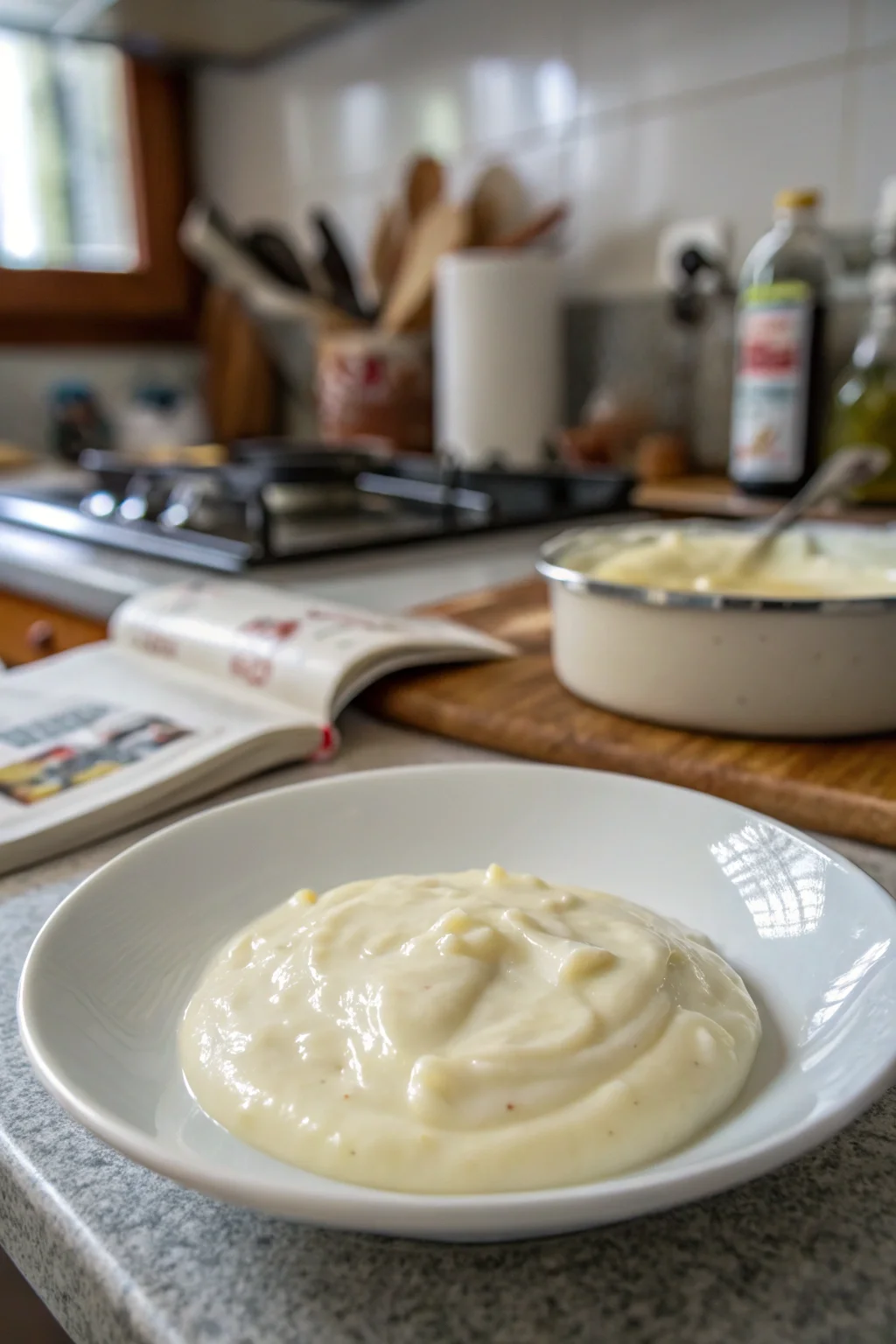
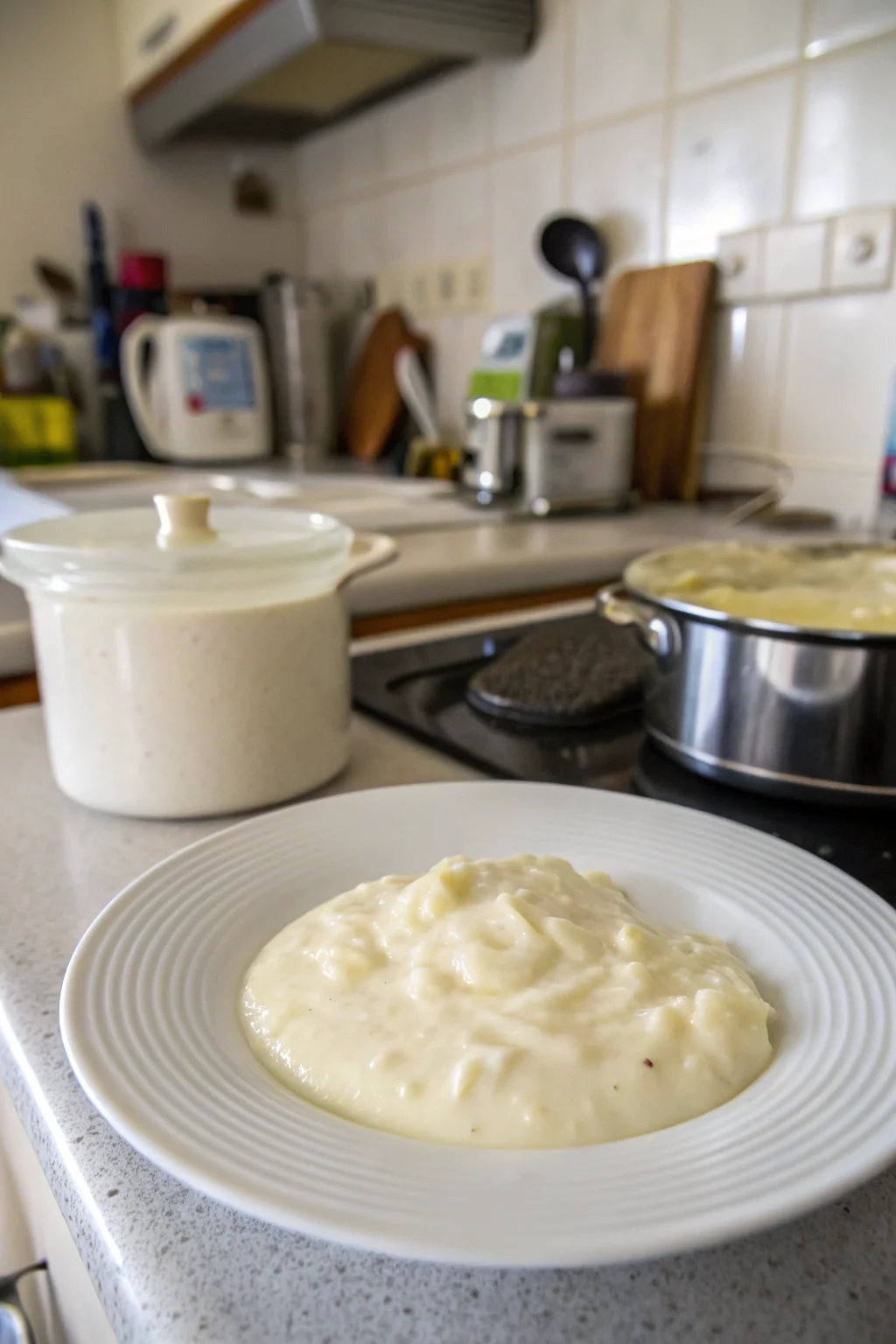
Béchamel sauce, often known as white sauce, is a classic French sauce made from a roux of butter and flour, combined with milk. It’s one of the five “mother sauces” of French cuisine, forming the base for many dishes. The elegant simplicity of Béchamel lies in its smooth, creamy texture and its ability to complement a wide range of flavors. Béchamel is typically seasoned with salt, pepper, and nutmeg, adding a subtle warmth and depth to the otherwise mild sauce. This sauce is a staple in recipes like lasagna, gratins, and soufflés, where it acts as a creamy binder that enhances the overall richness and flavor profile of the dish.
When making Béchamel, the quality of the ingredients can significantly impact the final result. Using fresh, high-quality butter and milk will yield a sauce with superior flavor and texture. The milk should be added gradually, and it’s essential to keep whisking to ensure a lump-free sauce. The nutmeg, though optional, is traditionally used in small amounts to provide a hint of spice.
How is White Gravy Different from Béchamel?
White gravy, primarily a staple in Southern U.S. cuisine, might seem similar to Béchamel at first glance since both use a roux as a base. However, white gravy typically includes pan drippings from meat, which impart a savory depth that Béchamel lacks. These drippings, often from fried chicken or sausage, infuse the gravy with a rich, meaty flavor, making it a heartier, more robust sauce. White gravy is commonly seasoned with salt, pepper, and sometimes additional spices like cayenne or sausage bits, which add complexity and heat to the sauce.
Unlike Béchamel, white gravy is usually thicker and richer in flavor due to the meat drippings. This thickness is ideal for smothering over biscuits, chicken fried steak, or mashed potatoes. The texture and flavor profile of white gravy make it perfect for hearty, comfort-food dishes commonly found in Southern cuisine. The drippings not only provide flavor but also contribute to the sauce’s body and mouthfeel, making it a distinctly savory component in many traditional Southern dishes.
Can Béchamel be Used as a Substitute for White Gravy?
While Béchamel and white gravy share a similar base, they’re not directly interchangeable. Béchamel lacks the meat drippings that give white gravy its distinctive flavor. However, if you find yourself in a pinch, you can use Béchamel as a substitute by adding additional seasonings or cooked sausage for more depth. Incorporating a bit of beef or chicken bouillon can also mimic the savory notes typical of white gravy.
When substituting, consider the context of the dish. For example, in a breakfast setting with biscuits and gravy, you might want to add cooked, crumbled sausage to the Béchamel to achieve a closer match to traditional white gravy. A touch of smoked paprika or a dash of Worcestershire sauce can also enhance the depth of flavor, making your Béchamel more suitable for savory dishes.
What are the Main Ingredients in Béchamel?
The main ingredients in Béchamel are:
- Butter: Provides richness and forms the base of the roux.
- Flour: Acts as a thickening agent when combined with the butter.
- Milk: Adds creaminess and is the liquid component that turns the roux into a sauce.
- Salt: Enhances overall flavor.
- Pepper: Adds a slight kick and complements the nutmeg.
- Nutmeg (optional): Offers a subtle, aromatic spice that enhances the sauce’s complexity.
These ingredients create a smooth, creamy sauce that serves as a foundation for many other sauces and dishes. The balance of these components is crucial; too much flour can result in a paste-like consistency, while too little can make the sauce runny.
What Dishes Commonly Use Béchamel Sauce?
Béchamel is a versatile sauce used in various dishes, including:
- Lasagna: Adds creaminess and helps bind the layers of pasta, meat, and cheese together.
- Moussaka: A Greek dish where Béchamel tops a layered casserole of eggplant and meat.
- Croque Monsieur: A classic French sandwich where Béchamel complements ham and cheese.
- Macaroni and Cheese: Provides a creamy base that coats the pasta, making it richer and more indulgent.
- Gratin dishes: Such as potato gratin, where Béchamel creates a creamy layer beneath a crispy, cheesy topping.
In each of these dishes, Béchamel acts as a creamy binder, adding richness and depth to the recipes. It enhances the mouthfeel and unifies the flavors of the other ingredients, making it indispensable in certain culinary traditions.
How Do You Make Béchamel Sauce?
To make Béchamel sauce:
- Melt Butter: In a saucepan over medium heat, melt butter until it starts to foam.
- Add Flour: Stir in an equal amount of flour to form a roux, stirring continuously for a few minutes until the mixture is well combined and no longer raw but not browned.
- Whisk in Milk: Gradually add milk, whisking constantly to ensure a smooth, lump-free sauce. Continue whisking until the mixture thickens and reaches your desired consistency.
- Season: Add salt, pepper, and a pinch of nutmeg to taste.
For a detailed step-by-step recipe, check out our Béchamel Sauce Recipe page. The key to a perfect Béchamel is patience and constant stirring to achieve a silky, smooth texture.
What is the Purpose of a Roux in Béchamel and White Gravy?
A roux, a mixture of flour and fat cooked together, is crucial for thickening both Béchamel and white gravy. It ensures a smooth texture and helps prevent the sauce from becoming lumpy. The key is to cook the roux just long enough to remove the raw flour taste without browning it. This process develops the starches in the flour, allowing them to thicken the sauce effectively.
In Béchamel, the roux serves as a neutral base, allowing the milk to shine as the primary flavor. In white gravy, the roux carries the savory notes from the meat drippings, enhancing the sauce’s richness. Understanding the role of a roux in sauce-making can elevate your cooking, enabling you to create sauces with the perfect consistency and flavor balance.
Can You Make Béchamel Sauce Ahead of Time?
Yes, you can make Béchamel sauce ahead of time. Store it in an airtight container in the refrigerator for up to three days. To reheat, warm it gently on the stove over low heat, adding a splash of milk if it’s too thick. Stir continuously to maintain smoothness and prevent it from sticking to the pan.
Making Béchamel in advance can be a time-saver for busy cooks, allowing you to prepare complex dishes more efficiently. It can also be frozen for longer storage. If freezing, place it in a freezer-safe container and thaw it in the refrigerator before reheating. Remember to whisk it well upon reheating to restore its smooth consistency.
What are Common Variations of Béchamel Sauce?
Béchamel can be easily adapted into other sauces, each offering unique flavors and uses:
- Mornay Sauce: Add grated cheese, such as Gruyère or Parmesan, to Béchamel for a cheesy variation perfect for pasta or vegetables.
- Velouté: Use chicken, fish, or veal stock instead of milk for a lighter, more savory sauce often used in French cuisine with poultry or seafood.
- Soubise Sauce: Incorporate pureed onions into the Béchamel, giving it a sweet, aromatic flavor that pairs well with roasted meats or poultry.
These variations offer different flavors and can be used in a variety of dishes. They demonstrate the versatility of Béchamel as a base sauce, showing how small adjustments can transform it into something entirely new and tailored to specific culinary needs.
How Can You Thicken White Gravy if It’s Too Thin?
If your white gravy is too thin, you can thicken it by:
- Adding More Roux: Cook equal parts flour and fat, then incorporate it into the gravy.
- Using a Slurry: Mix flour or cornstarch with cold water until smooth, then slowly add it to the gravy while stirring.
- Simmering: Allow the gravy to simmer gently, reducing the liquid and naturally thickening the sauce.
Always stir continuously to avoid lumps and achieve a smooth, even consistency. Adjusting the thickness of your gravy can enhance its mouthfeel and ensure it clings well to the food it’s served with.
What is the Nutritional Difference Between Béchamel and White Gravy?
The nutritional content varies based on the recipe, but generally:
- Béchamel: Lower in fat if made with skim milk or low-fat alternatives. It’s typically lighter in calories compared to white gravy due to the lack of meat drippings.
- White Gravy: Higher in fat and calories due to the inclusion of meat drippings and sometimes cream. This makes it richer and more calorie-dense.
For healthier options, consider using low-fat dairy or plant-based alternatives. You can also experiment with different types of milk, like almond or oat milk, to create a lighter version without compromising too much on flavor.
Are There Plant-Based Versions of Béchamel and White Gravy?
Yes, plant-based versions are available:
- Béchamel: Use plant-based butter and milk, such as almond, soy, or oat milk. These alternatives can create a creamy, delicious sauce suitable for vegans or those with lactose intolerance.
- White Gravy: Substitute meat drippings with vegetable oil or vegan butter, and use plant-based milk. Adding nutritional yeast can enhance the umami flavor, mimicking the savory notes of traditional gravy.
These alternatives cater to vegan or lactose-intolerant diets without sacrificing flavor. They allow for inclusivity in meal preparation, enabling everyone to enjoy delicious, creamy sauces regardless of dietary restrictions.
Where Can I Learn More About Making Sauces?
For more information on cooking techniques and sauce recipes, visit our Cooking Techniques page or refer to reputable culinary sources like Serious Eats and Bon Appétit. These resources offer a wealth of knowledge on sauce-making, from basic techniques to advanced variations, helping you refine your skills and expand your culinary repertoire.
Conclusion
Béchamel and white gravy are both delicious sauces with distinct characteristics and uses. Understanding their differences can enhance your cooking skills and expand your culinary repertoire. Whether you’re crafting a classic French dish or a Southern comfort meal, knowing when and how to use each sauce is key. For more cooking tips and recipes, explore our Cooking Tips section. Mastery of these sauces can elevate your cooking, allowing you to create dishes that are both flavorful and comforting, perfect for any occasion.