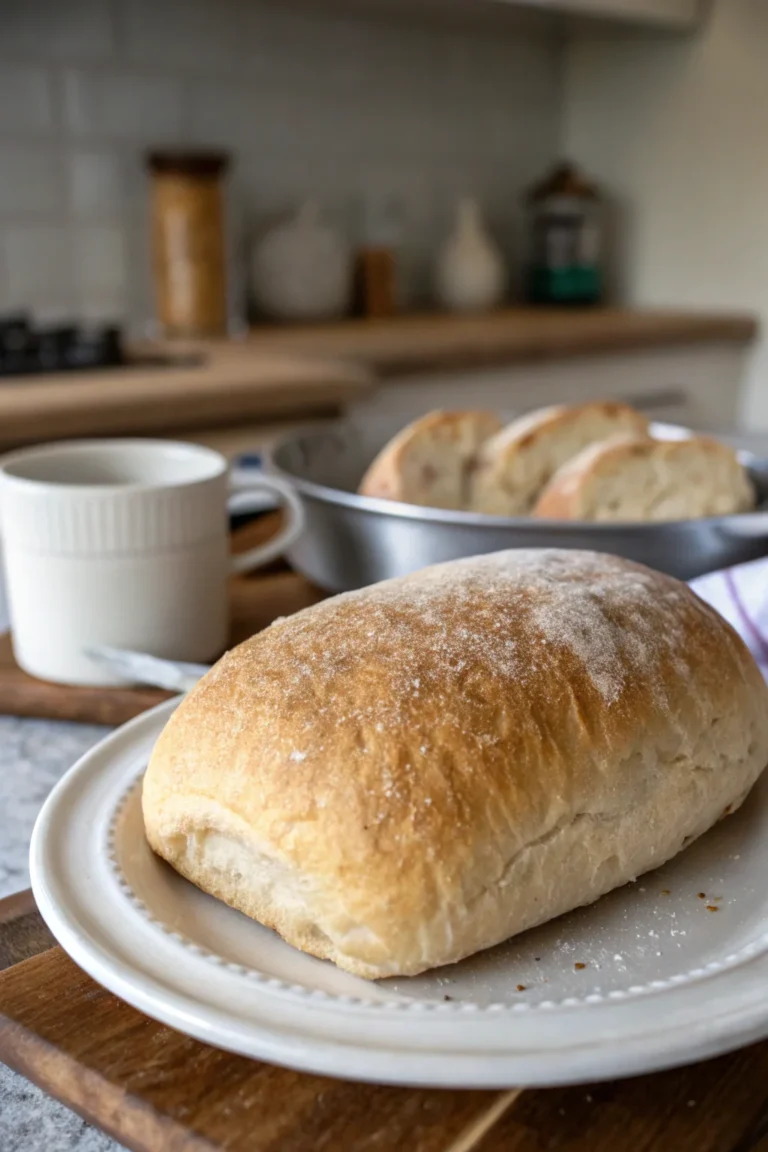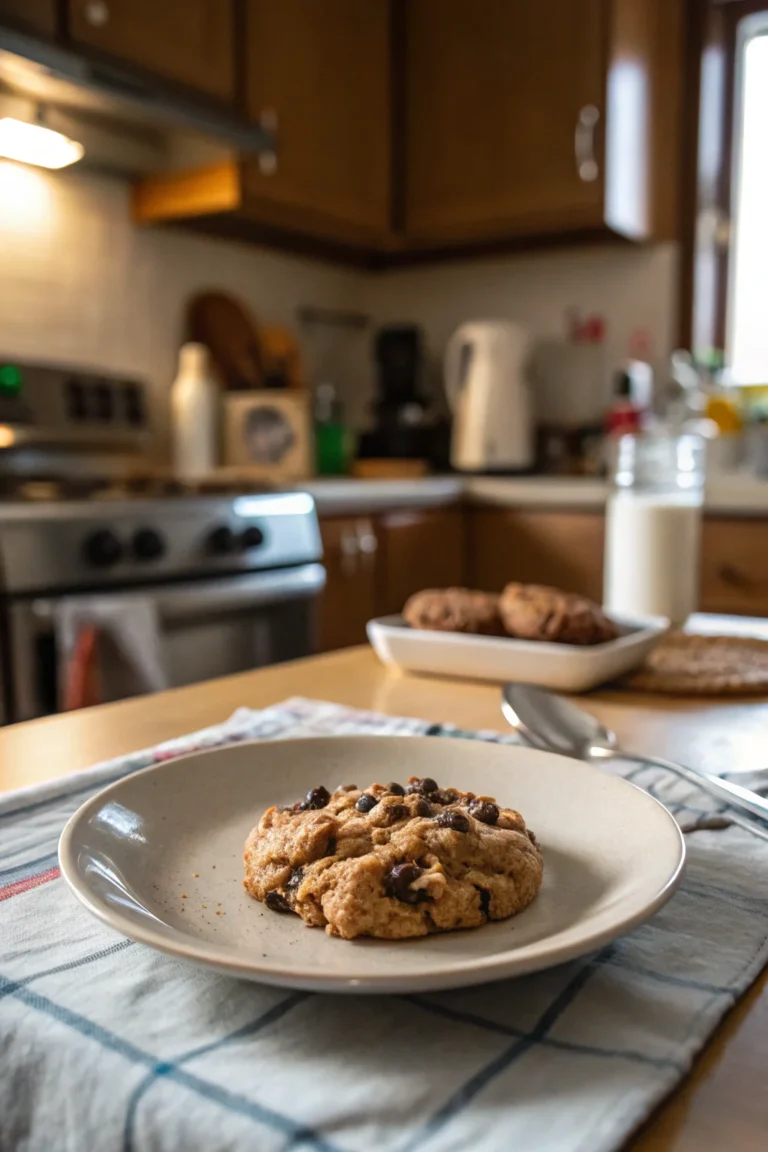
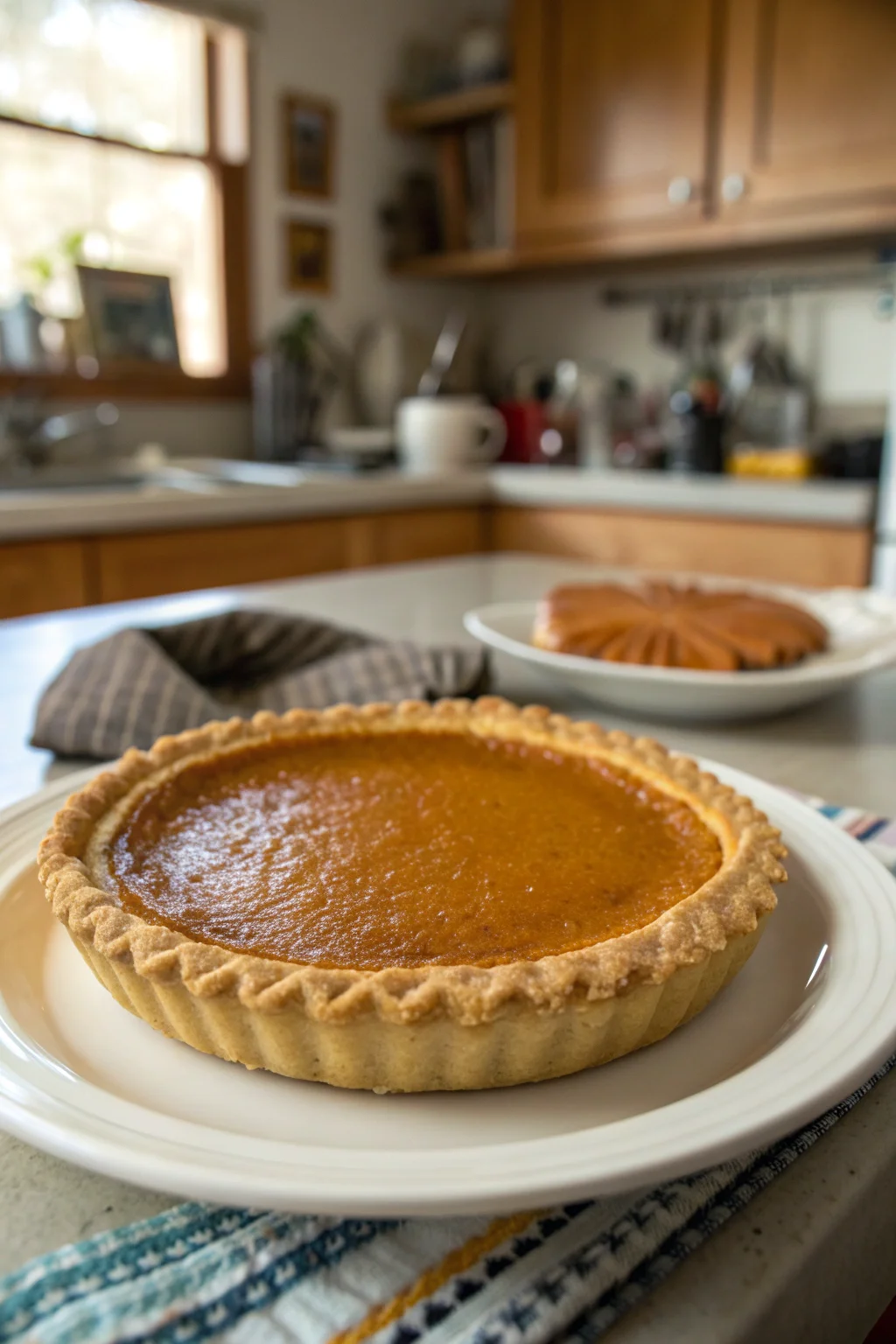
Welcome to the ultimate debate on whether pumpkin pie is truly a pie or if it strays into cake territory. This age-old question has puzzled dessert enthusiasts for generations. In this article, we’ll explore the characteristics that define pies and cakes, and why pumpkin pie might sit on the fence. Let’s dive into the delicious world of pumpkin desserts and settle this debate once and for all.
What Defines a Pie?
A pie is typically characterized by its crust and filling. The crust can be:
Pastry-based: Made from flour, butter, and water, this type of crust is rolled out and shaped to fit the pie dish, providing a sturdy, flaky base that contrasts beautifully with the filling. The technique of keeping the butter cold and not overworking the dough is crucial to achieving the desired flakiness. This type of crust can be used for both sweet and savory pies, adding versatility to its appeal.
Graham cracker or cookie crumb: Often used in no-bake pies, this crust is made by crushing graham crackers or cookies and combining them with melted butter. This mixture is then pressed into the pie dish to form a crust. It’s a quick and easy alternative to traditional pastry crusts and adds a delightful crunch and sweetness that complements creamy fillings, like those found in cheesecakes and certain custard pies.
The filling is usually fruit, custard, or savory ingredients. Pumpkin pie fits this definition with its buttery crust and creamy filling made from pumpkin puree, sugar, eggs, and spices such as cinnamon, nutmeg, and cloves. This combination of spices gives pumpkin pie its distinctive autumnal flavor that many people associate with cozy fall evenings.
For more on pie types, check out our Ultimate Guide to Pies.
What Defines a Cake?
Cakes are known for their:
Fluffy texture: Achieved through techniques like creaming butter and sugar or using leavening agents such as baking powder or baking soda. These methods incorporate air into the batter, giving cakes their light and airy texture. The process of creaming is particularly important in sponge and butter cakes, where the trapped air helps the cake rise and creates a tender crumb.
Sweet flavors: Typically chocolate, vanilla, or fruit-based. Cakes are often celebrated for their ability to showcase a wide variety of flavors and can be customized with different extracts, spices, or fillings to suit any occasion. They can be simple or elaborately decorated, making them a popular choice for celebrations.
Unlike pies, cakes are often layered and frosted, providing a canvas for artistic decoration and creative flavor combinations. Pumpkin pie lacks these characteristics, as it is neither fluffy nor layered, and it is typically enjoyed simply with a dollop of whipped cream rather than an elaborate frosting.
Why Do Some People Think Pumpkin Pie is a Cake?
Some believe pumpkin pie resembles a cake due to:
Texture: Its creamy filling can remind some of a custard-like cake, such as a cheesecake or a flan. The smoothness of the pumpkin filling, combined with the richness of eggs and cream, creates a texture that is denser than most cakes yet still soft and pleasing to the palate.
Presentation: Served in slices like cake, which can cause confusion. The act of slicing and serving from a round dish is a commonality shared with cakes, leading to the occasional mix-up. However, the fundamental ingredients and preparation methods distinguish it from cakes.
Despite these factors, the absence of cake layers or frosting supports its classification as a pie. The structural elements of pumpkin pie, relying on the crust to hold its shape, are more aligned with traditional pie definitions.
What Are the Origins of Pumpkin Pie?
Pumpkin pie has roots in early American history:
Colonial times: Early settlers made stewed pumpkin dishes by hollowing out a pumpkin, filling it with milk, honey, and spices, and then baking it in the ashes of a dying fire. This method showcased the ingenuity of settlers adapting to the New World’s resources and laid the groundwork for the modern pumpkin pie.
Evolution: The dish evolved into the pie we know today by the 1700s, as settlers began to incorporate pastry crusts and refined their recipes with spices and sweeteners. The development of canned pumpkin in the 19th century further popularized the dish, making it more accessible and convenient for home bakers.
The pie’s history solidifies its place in American culture, particularly during Thanksgiving. It became a symbol of harvest celebrations, representing abundance and the autumnal bounty.
Learn more about Thanksgiving Traditions and Recipes.
Are There Variations of Pumpkin Pie?
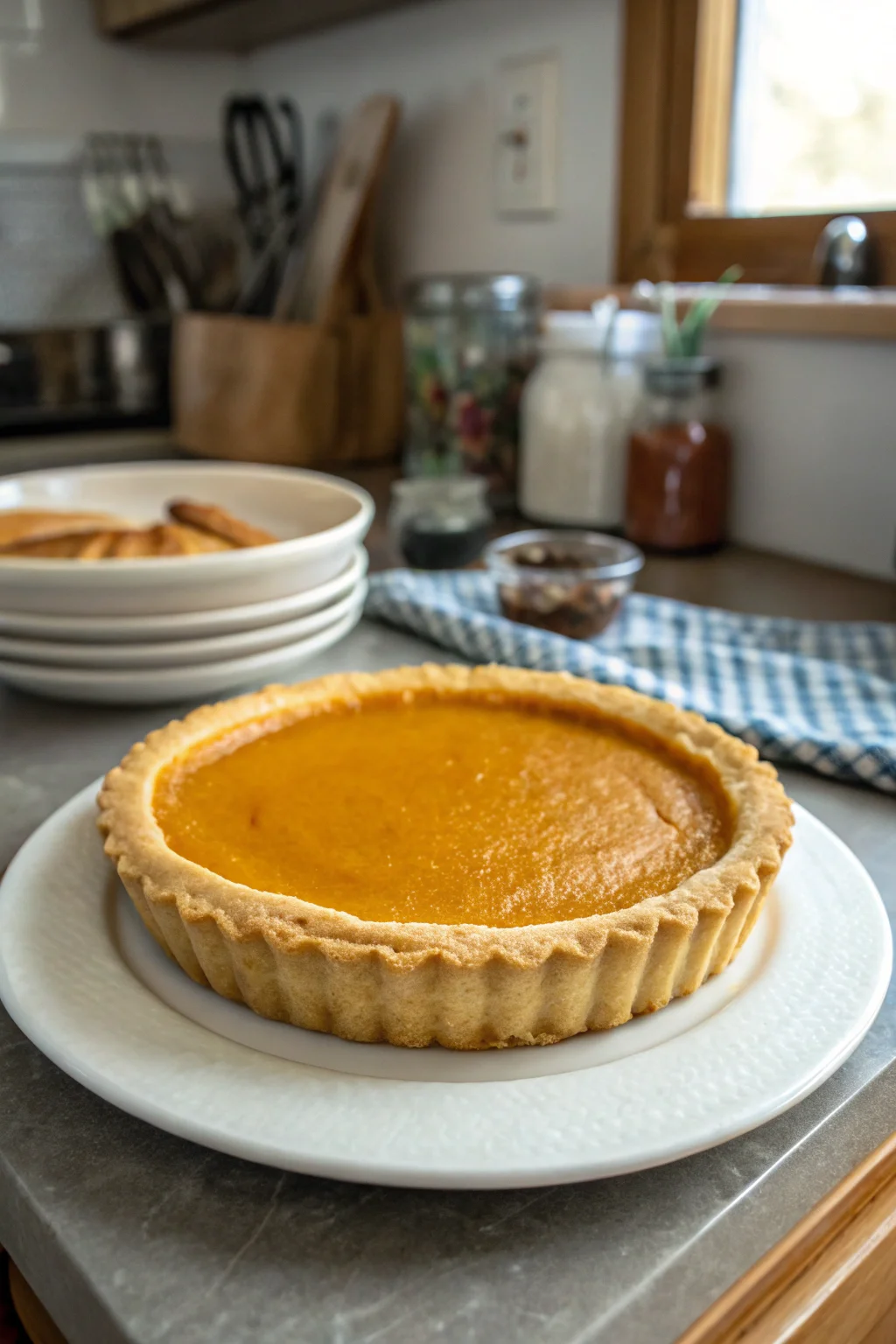
Yes, there are many variations:
Crustless pumpkin pie: A gluten-free option that eliminates the crust altogether, focusing on a dense, custard-like filling that can be baked in ramekins or a pie dish for a simpler, lighter dessert. This variation is particularly appealing to those with dietary restrictions or those who prefer a lower carb option.
Spiced pumpkin pie: Enhanced with additional spices like ginger and nutmeg, or even with a splash of bourbon or maple syrup, to deepen the flavor profile. These added spices complement the natural sweetness of pumpkin and create a richer, more complex taste experience.
Vegan pumpkin pie: Uses substitutes like coconut milk and flax eggs (a mixture of ground flaxseed and water that acts as a binding agent) to replicate the traditional custard texture without animal products. This version maintains the creamy consistency of the original while catering to vegan dietary preferences.
These variations maintain the essence of pumpkin pie while catering to dietary needs and personal preferences. They demonstrate the versatility and adaptability of pumpkin pie to meet the evolving tastes of modern bakers.
How Does Pumpkin Pie Differ from Other Pies?
Pumpkin pie is unique due to:
Custard filling: Unlike fruit pies, which are often filled with chunks of fruit suspended in a syrup or juice, pumpkin pie has a custard-like texture. The filling is smooth and creamy, setting it apart from the more textured, fruit-laden fillings of apple or cherry pies.
Spices: The blend of cinnamon, nutmeg, and cloves, sometimes referred to as “pumpkin pie spice,” gives the pie its distinctive warm and spicy flavor. This spice mix is synonymous with autumn and is used in a variety of other fall-themed recipes, but it is most closely associated with pumpkin pie.
These elements make pumpkin pie distinct from classics like apple or cherry pie, whose flavors and textures are driven by the natural sweetness and acidity of the fruit.
What Are Common Misconceptions About Pumpkin Pie?
Common misconceptions include:
It’s a cake: Due to its creamy texture, some might mistake it for a type of cake. However, as discussed, its structural reliance on a crust and its preparation method firmly categorize it as a pie.
It’s difficult to make: Actually, pumpkin pie is quite simple with the right recipe. The ingredients are straightforward, and the process involves mixing the filling and baking it in a pre-made or homemade crust. With a few tips and tricks, even novice bakers can achieve excellent results.
These myths often arise from misunderstandings about baking techniques or the pie’s presentation.
How Do You Make a Traditional Pumpkin Pie?
To make a traditional pumpkin pie, you’ll need:
Ingredients: Pumpkin puree (canned or fresh), eggs, sugar, spices (like cinnamon, nutmeg, and cloves), evaporated milk, and a pie crust (store-bought or homemade).
Process:
1. Prepare the crust: Roll out the dough and fit it into a pie dish. Pre-bake (or blind bake) it for about 10 minutes to prevent a soggy bottom.
2. Mix the filling: In a large bowl, combine the pumpkin puree, eggs, sugar, spices, and milk until smooth.
3. Assemble and bake: Pour the filling into the pre-baked crust and bake at 350°F (175°C) for about 45-55 minutes, or until the filling is set but still slightly jiggly in the center.
4. Cool and serve: Allow the pie to cool before serving, as this helps the filling set and makes slicing easier.
For a step-by-step guide, see our Classic Pumpkin Pie Recipe.
What Are the Health Benefits of Pumpkin Pie?
Pumpkin pie can offer health benefits:
Rich in vitamins: Pumpkin is high in vitamin A, which supports vision and immune function, and fiber, which aids in digestion. It also contains potassium, vitamin C, and antioxidants that can contribute to overall health.
Moderation is key: While pumpkin pie provides nutritional benefits, it is still a dessert and should be enjoyed in moderation as part of a balanced diet. The added sugars and fats in the crust and filling can contribute to calorie intake, so portion control is important.
For more on healthy eating, visit ChooseMyPlate.gov.
Can You Make Pumpkin Pie with Fresh Pumpkin?
Yes, using fresh pumpkin is possible:
Preparation: Select a small, sweet pumpkin variety, often labeled as “sugar pumpkins” or “pie pumpkins.” Cut the pumpkin in half, remove the seeds and strings, and roast or steam the halves until tender. Scoop out the flesh and puree it in a blender or food processor until smooth. Drain excess moisture to achieve the right consistency for the pie filling.
Flavor: Fresh pumpkin can offer a more vibrant flavor, with a slightly earthier taste compared to canned puree. The effort of using fresh pumpkin can be rewarded with a more personalized and homemade taste experience.
This method requires extra effort but can enhance the pie’s taste, offering a farm-to-table feel that many home cooks appreciate.
Is Pumpkin Pie a Seasonal Dessert?
Pumpkin pie is most popular in the fall:
Thanksgiving staple: It’s a must-have for many holiday celebrations, symbolizing the harvest and serving as a sweet finale to a Thanksgiving feast. Its association with feelings of gratitude and togetherness adds to its sentimental value.
Seasonal availability: Fresh pumpkins are readily available in autumn, aligning perfectly with the pie’s popularity during this season. The aroma of baking pumpkin pie spices is often a harbinger of the holidays for many families.
This seasonality adds to the pie’s charm and cultural significance, making it a nostalgic and beloved dessert during the cooler months.
How Does Pumpkin Pie Compare to Other Pumpkin Desserts?
Pumpkin pie differs from other pumpkin desserts in several ways:
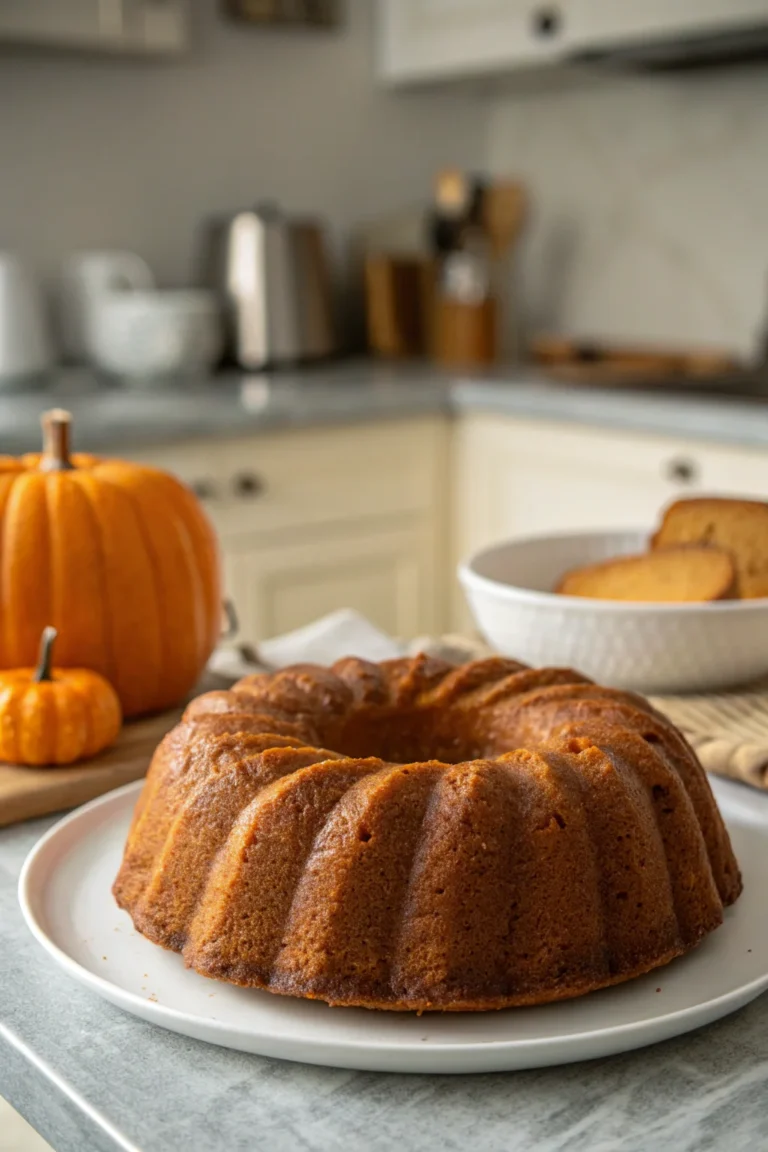
Pumpkin bread: A cake-like, spiced loaf that is typically moister and denser than traditional bread. It uses pumpkin puree similarly to pumpkin pie but incorporates flour and leavening agents to achieve a bread-like texture. It’s often served in slices and can be enhanced with nuts or chocolate chips for added texture.
Pumpkin cheesecake: Combines the creaminess of cheesecake with pumpkin flavors, often sitting atop a graham cracker crust. It offers a richer and more indulgent experience compared to pumpkin pie, appealing to those who enjoy the tangy flavor of cream cheese.
Each dessert offers a unique way to enjoy pumpkin, appealing to different taste preferences and occasions. Whether in a pie, bread, or cheesecake, pumpkin desserts are cherished for their comforting and warming flavors.
What Are Some Tips for Perfect Pumpkin Pie?
For a perfect pumpkin pie:
Pre-bake the crust: Also known as blind baking, this step prevents a soggy bottom by ensuring the crust is partially cooked before adding the filling. Use pie weights or dried beans to keep the crust flat during pre-baking.
Avoid overbaking: The custard should have a slight jiggle when done, similar to how you would bake a cheesecake. Overbaking can cause the filling to crack as it cools. If cracks do appear, they can often be masked with a generous swirl of whipped cream.
Chill before serving: Allow the pie to cool at room temperature and then refrigerate it. Chilling helps the custard set fully and enhances the flavors, making it easier to slice and serve.
These tips ensure a delicious and well-textured pie every time, making your pumpkin pie the star of any gathering.
Wrap-Up
The debate over whether pumpkin pie is a pie or a cake may continue, but its place as a beloved dessert is undisputed. With its rich history and delightful flavor, pumpkin pie remains a staple of fall celebrations. Whether you consider it a pie or a cake, one thing is certain: pumpkin pie is a delicious treat worth enjoying. Its comforting spices and creamy texture make it a favorite for many. For more dessert ideas, explore our Dessert Recipe Collection.