Welcome to our comprehensive guide on the differences between green beans and haricot verts. Whether you’re a cooking enthusiast or a curious eater, understanding these two popular vegetables can enhance your culinary skills and grocery shopping. In this guide, we’ll explore the key differences, their nutritional benefits, and how you can enjoy them in your meals. Let’s dive into the world of these delicious and versatile beans!
What are Green Beans?
Green beans, also known as snap beans or string beans, are a popular vegetable belonging to the legume family. They are typically long, slender, and bright green, with a satisfying crunch and a mild, fresh flavor. This versatility makes them a staple in many kitchens worldwide. Green beans can be steamed, boiled, sautéed, or incorporated into casseroles, adding nutritional value and texture to any dish. They are rich in essential vitamins such as A, C, and K, as well as folic acid, contributing to their reputation as a healthy choice. In addition to vitamins, green beans are also a good source of fiber, aiding in digestion and providing a sense of fullness, which can be helpful for weight management.
When selecting green beans at the store, look for ones that are vibrant in color and free of blemishes. They should snap easily when bent and have a fresh, crisp texture. This indicates freshness and quality, ensuring the best taste and nutritional benefits.
What are Haricot Verts?
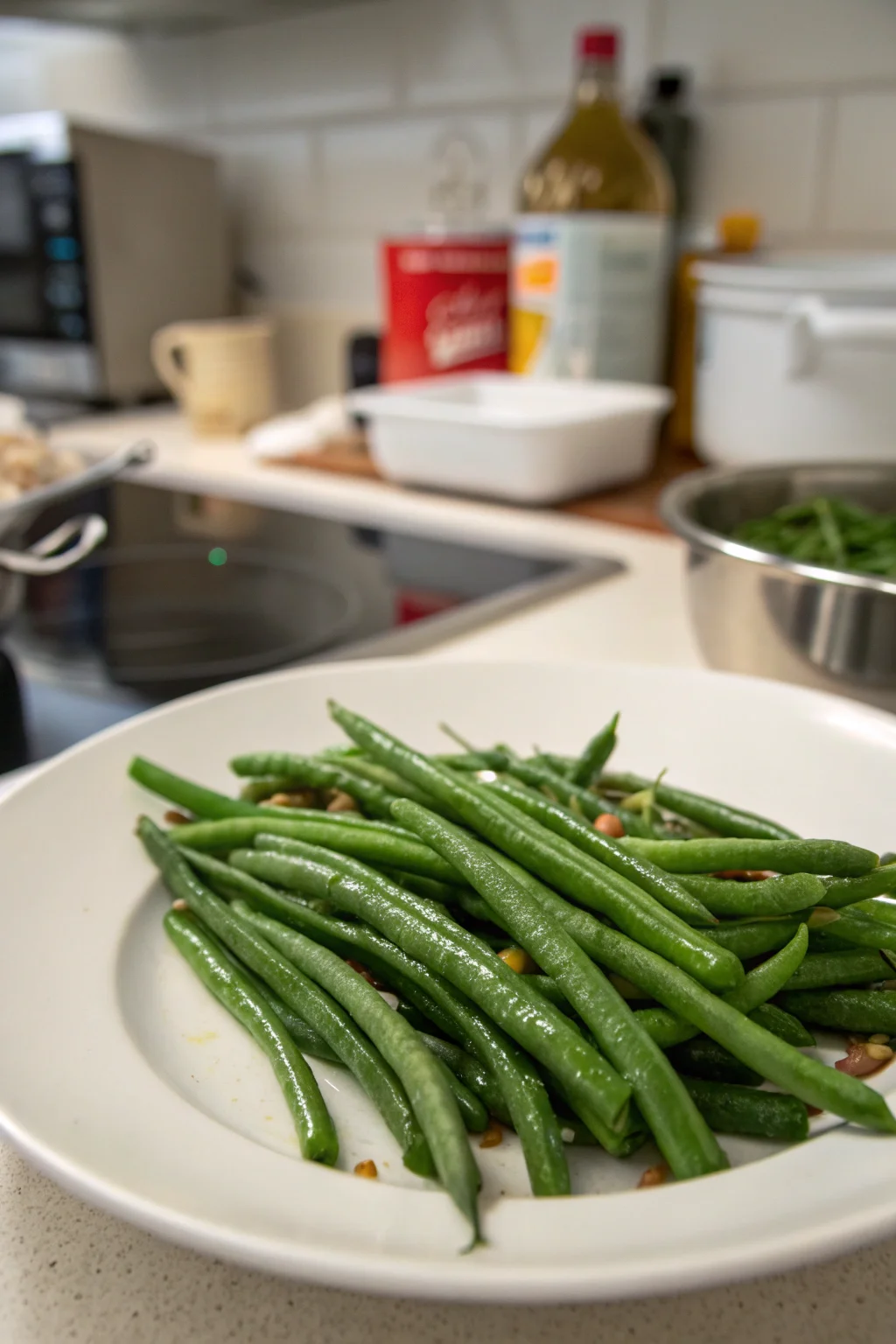
Haricot verts, pronounced “ah-ree-koh ver,” is French for “green beans,” yet they stand out from regular green beans in several notable ways. Haricot verts are typically thinner, longer, and more tender than traditional green beans, and they are cherished for their more delicate, nuanced flavor. Often considered a gourmet variety, haricot verts have their origins in France and are frequently used in upscale restaurants and fine dining establishments. Their tender texture makes them ideal for quick cooking methods like steaming or sautéing, which help preserve their inherent qualities.
The cultivation of haricot verts is often more labor-intensive, with a focus on maintaining their delicate size and texture. This careful handling during harvesting is part of what makes them a sought-after choice for chefs and home cooks aiming for a refined presentation in their dishes.
Are Green Beans and Haricot Verts the Same Thing?
While green beans and haricot verts are both types of green beans, they are not the same. The primary differences lie in their size, texture, and flavor. Haricot verts are generally thinner and more tender, making them a popular choice for dishes that require a delicate touch. This makes them particularly suited for light, elegant dishes where their subtle flavor can be appreciated. In contrast, regular green beans are thicker and have a slightly firmer texture, which can lend a heartier element to recipes.
The choice between the two often depends on the specific culinary application and the desired texture of the dish. For instance, if you’re making a hearty casserole or a robust stir-fry, the sturdier texture of regular green beans might be preferable. On the other hand, for a sophisticated side dish or a component in a delicate salad, haricot verts might be the better option.
How Do You Cook Green Beans?
Cooking green beans is straightforward and can be done using various methods, each bringing out different aspects of their flavor and texture:
- Boiling: Place green beans in a pot of salted boiling water for 4-5 minutes until tender-crisp. This method is quick and preserves the beans’ bright color and crispness. To enhance the flavor, consider adding a squeeze of lemon juice or a pinch of sea salt after draining.
- Steaming: Steam for about 5-7 minutes for a fresh, vibrant flavor. Steaming is a gentle cooking method that helps retain the beans’ nutrients. A steamer basket or a simple colander over a pot of simmering water works well.
- Sautéing: Sauté in olive oil with garlic for a quick, flavorful side dish. For added depth, try incorporating herbs like thyme or rosemary, or finish with a sprinkle of Parmesan cheese.
- Roasting: Toss with olive oil, salt, and pepper, then roast at 400°F (200°C) for 15-20 minutes. Roasting brings out a deeper, sweeter flavor and a slightly crispy texture. Adding slivered almonds or chopped walnuts before roasting can create a delightful crunch.
Experimenting with different cooking methods allows you to discover new textures and flavors, enhancing your appreciation for this versatile vegetable.
How Do You Cook Haricot Verts?
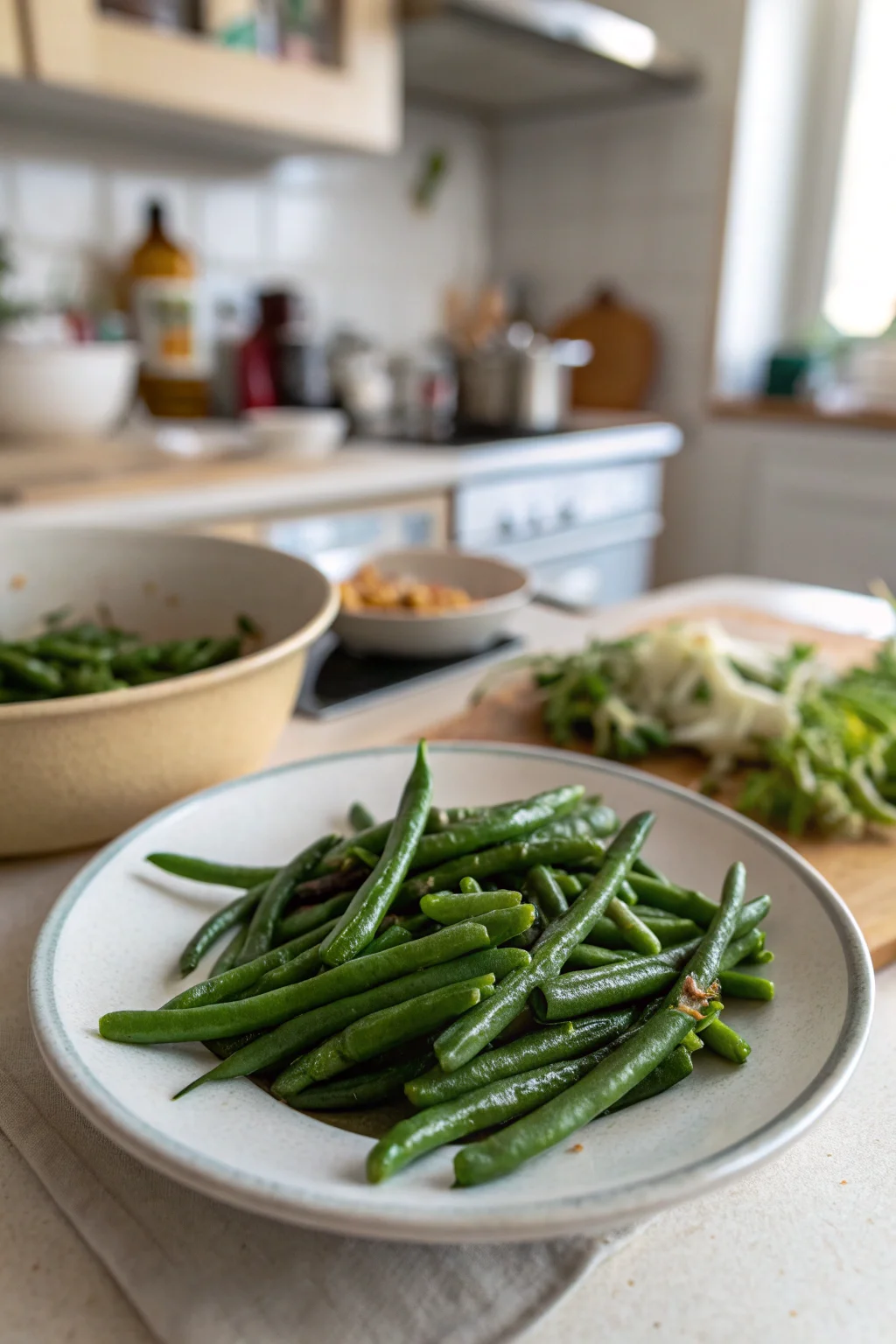
Haricot verts are often cooked quickly to maintain their tenderness:
- Blanching: Briefly boil in salted water, then shock in ice water to preserve color and crunch. Blanching is an excellent way to prepare haricot verts for salads, as it keeps them crisp and bright green.
- Sautéing: Cook in butter or olive oil with shallots or garlic for a flavorful side dish. Adding a splash of white wine or a sprinkle of lemon zest can elevate the dish’s complexity.
- Grilling: Grill with a drizzle of olive oil for a smoky taste. Haricot verts can be placed directly on the grill or in a grill basket. The smoky flavor pairs well with grilled meats or fish.
Haricot verts are perfect for dishes that require a refined presentation and delicate flavor. Their quick cooking time makes them a convenient choice for elegant meals.
Are Haricot Verts More Expensive Than Green Beans?
Yes, haricot verts are generally more expensive than regular green beans. Their higher cost is due to the more labor-intensive growing and harvesting process. Haricot verts are often hand-picked to ensure their delicate size and texture, which adds to the price. Additionally, their gourmet status and popularity in fine dining contribute to their higher cost. When budgeting for meals, consider the occasion and whether the delicate flavor of haricot verts is worth the extra expense.
When planning a menu or shopping on a budget, it’s helpful to balance the cost of haricot verts with other less expensive ingredients. For special occasions or when a dish’s presentation and flavor are paramount, investing in haricot verts can be a wise choice.
Can You Substitute Green Beans for Haricot Verts in Recipes?
Yes, you can substitute green beans for haricot verts in recipes, but be mindful of the textural differences. Regular green beans are thicker and slightly tougher, so they may require longer cooking times. If a recipe calls for haricot verts, try to slice green beans lengthwise to create a similar shape and texture. Adjust the cooking time to prevent overcooking. This substitution works well in most recipes, but the final dish may have a slightly different texture and flavor.
For example, in a recipe that highlights the tender nature of haricot verts, such as a Niçoise salad, slicing green beans into thin strips can mimic the look and feel of haricot verts. However, the flavor might be a bit more robust, so consider adjusting seasonings accordingly.
What are the Nutritional Differences Between Green Beans and Haricot Verts?
Green beans and haricot verts have similar nutritional profiles, though there are slight differences:
- Calories: Both are low in calories, making them an excellent choice for weight management. This makes them a great addition to any diet focused on maintaining a healthy weight.
- Vitamins: Both are rich in vitamins A, C, and K, which are essential for maintaining healthy skin, boosting immunity, and supporting bone health.
- Fiber: Both provide a good amount of dietary fiber, aiding digestion and promoting regular bowel movements.
- Antioxidants: Haricot verts may have slightly higher antioxidant levels due to their tender nature. Antioxidants are crucial for protecting cells from damage and reducing inflammation.
Overall, both are nutritious, low-calorie options that can be part of a healthy diet. They provide essential nutrients without adding excess calories or fats.
What Dishes Can You Make with Green Beans?
Green beans are versatile and can be used in many dishes:
- Green Bean Casserole: A classic dish with creamy mushroom sauce and crispy onions. This comforting dish is a favorite at holiday gatherings and can be made with fresh or canned green beans.
- Stir-fry: Combine with other vegetables and protein for a quick meal. Green beans add a satisfying crunch and pair well with flavors like soy sauce, ginger, and garlic.
- Salads: Add blanched green beans to salads for extra crunch. They complement ingredients like cherry tomatoes, feta cheese, and vinaigrette dressings.
- Soups: Include in vegetable soups for added texture and flavor. They work well in minestrone or chicken soup, providing a hearty, nutritious addition.
Green beans complement a variety of flavors and cuisines, making them a staple in many kitchens.
What Dishes Can You Make with Haricot Verts?
Haricot verts shine in simple, elegant dishes:
- Almondine: Sauté with almonds and butter for a classic French side. The nutty flavor of almonds pairs beautifully with the tender beans.
- Niçoise Salad: A traditional French salad featuring haricot verts, tuna, and olives. The tender beans provide a delicate balance to the robust flavors of the other ingredients.
- Lemon Garlic: Sauté with lemon juice and garlic for a bright, flavorful side. This simple preparation highlights the natural sweetness of the beans.
- Simple Steamed: Serve steamed with a sprinkle of sea salt for a light dish. This method preserves the beans’ natural flavor and texture, making them a refreshing side.
These dishes highlight the delicate flavor and texture of haricot verts. Their elegance and simplicity make them ideal for sophisticated dining.
Where Can You Buy Green Beans and Haricot Verts?
Green beans are widely available in supermarkets and farmers’ markets year-round. They are a staple in many grocery stores, often found fresh, canned, or frozen. Haricot verts, being more specialized, may be found in gourmet grocery stores or upscale markets. They are often sold in pre-packaged bags or fresh in the produce section. For organic options, check local farmers’ markets or health food stores. Online retailers and delivery services may also offer both types, providing convenient access to fresh produce.
When buying fresh beans, look for ones that are firm and free from blemishes. Whether choosing green beans or haricot verts, freshness is key to ensuring the best flavor and nutritional benefits.
Are Green Beans and Haricot Verts Good for You?
Yes, both green beans and haricot verts are nutritious and beneficial to your health. They are low in calories and high in essential vitamins and minerals, such as vitamin C, vitamin K, and folate. Their high fiber content aids in digestion and helps maintain a healthy gut. Additionally, their antioxidant properties support overall health and can help reduce inflammation. Including either in your diet contributes to a balanced and healthful eating plan.
The versatility of these beans means they can be easily incorporated into a variety of dishes, from simple sides to complex main courses, ensuring you can enjoy their health benefits regularly.
Conclusion
In summary, while green beans and haricot verts are both delicious and nutritious, they offer distinct culinary experiences. Green beans are versatile and widely available, while haricot verts are prized for their tenderness and delicate flavor. Whether you’re preparing a family meal or a gourmet dish, understanding these differences can help you choose the right bean for your recipe. Explore more about vegetable varieties and discover new cooking tips in our cooking section. Enjoy experimenting with both types of beans in your kitchen!
More on cakespedia.blog • Search “What is the Difference Between Green Beans and Haricot Verts? | A Complete Guide”