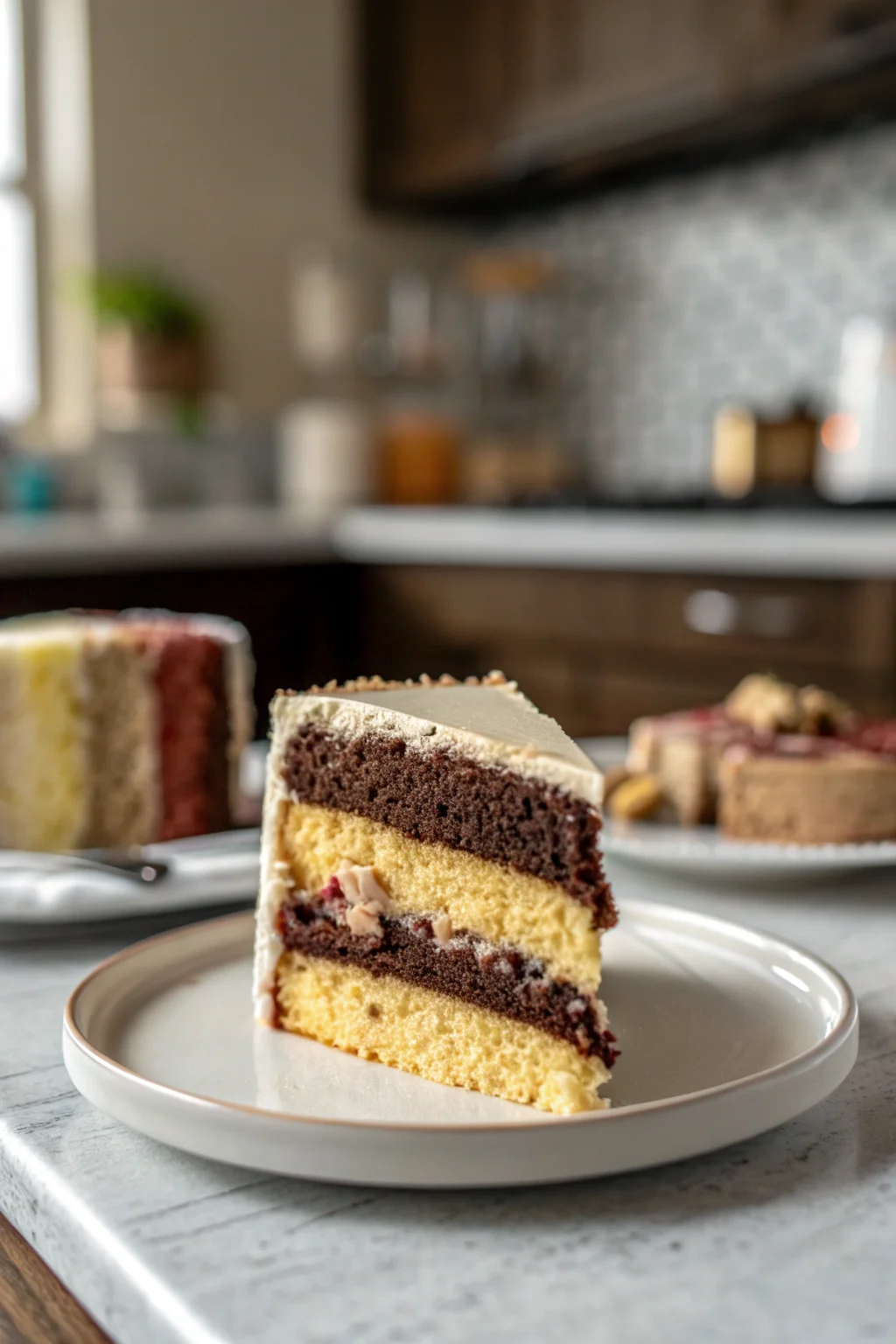
Cake fillings can transform a simple cake into a delightful dessert, adding flavor, moisture, and texture. Whether you’re baking for a special occasion or just for fun, knowing the different types of cake fillings can help you create a masterpiece. Here, we’ll explore the three main types of cake fillings and answer common questions to help you choose the best one for your next creation.
What Are the Three Types of Cake Fillings?
The three primary types of cake fillings are:
- Buttercream Fillings: Made with butter and sugar, these are rich, creamy, and easy to flavor. Buttercream fillings are incredibly versatile and can be adapted to fit any flavor profile or color scheme. They can be made into Swiss, Italian, or American styles, each offering different textures and stability. Swiss and Italian buttercreams use egg whites and are smoother and less sweet compared to the American version. These buttercreams are ideal for both filling and frosting, creating a seamless look and taste.
- Fruit Fillings: These include fresh fruit, jams, or fruit compotes that add freshness and acidity. Fruit fillings can be as simple as a layer of sliced strawberries or as complex as a homemade raspberry compote. They bring a vibrant contrast to the richness of the cake, balancing sweetness with their natural tartness. Seasonal fruits can be used to enhance the cake’s flavor, and the choice of fruit can be tailored to complement the cake’s base. For instance, mango or passionfruit can add an exotic twist to tropical-themed cakes.
- Custard Fillings: A smooth mixture of milk or cream, egg yolks, and sugar, often flavored with vanilla or chocolate. Custard fillings, such as pastry cream, are luxurious and silky. They can be flavored with a variety of ingredients like vanilla beans, chocolate, coffee, or even a splash of rum. Custards are perfect for cream-filled cakes like Boston cream pie or éclairs. Their creamy consistency pairs beautifully with sponge cakes or puff pastry layers.
How Do You Choose the Right Cake Filling?
Choosing the right filling depends on the flavor profile you want to achieve. Consider the following:
- Flavor Compatibility: Match the filling with your cake’s flavor. For example, chocolate cake pairs well with raspberry filling, while a light vanilla sponge could be paired with a lemon curd for a refreshing twist. When pairing flavors, think about both complementary and contrasting flavors to create a balanced taste.
- Texture: Decide if you want something smooth like custard or with a bit of bite like fruit. A creamy buttercream might be ideal for a dense cake, while a fruit filling could add a burst of flavor and moisture to a lighter cake. Texture can significantly enhance the overall eating experience.
- Durability: Consider how long the cake will be out. Buttercream holds up well in warmer conditions compared to custard. If your event is outdoors or in a warm setting, opt for fillings that maintain their structure, like stabilized buttercream or thickened fruit compote.
Can You Make Buttercream Fillings at Home?
Yes, making buttercream at home is simple! You’ll need:
- Ingredients: Butter, powdered sugar, vanilla extract, and milk or cream. To explore different flavors, you can incorporate ingredients like espresso powder for coffee buttercream or melted chocolate for a rich chocolate variation.
- Process: Beat butter until creamy, gradually add sugar, and mix until fluffy. Add vanilla and milk to reach the desired consistency. Ensure the butter is at room temperature to achieve a smooth mix. A few drops of food coloring can be added for visual appeal.
- Flavor Variations: Add cocoa for chocolate, or fruit puree for a fruity twist. Infuse buttercream with spices like cinnamon or nutmeg for a warm, spiced cake. For an adult twist, consider adding liqueurs like Baileys or Grand Marnier.
For a detailed guide, check out How to Make Perfect Buttercream from BBC Good Food.
What Are Popular Fruit Fillings for Cakes?
Popular fruit fillings include:
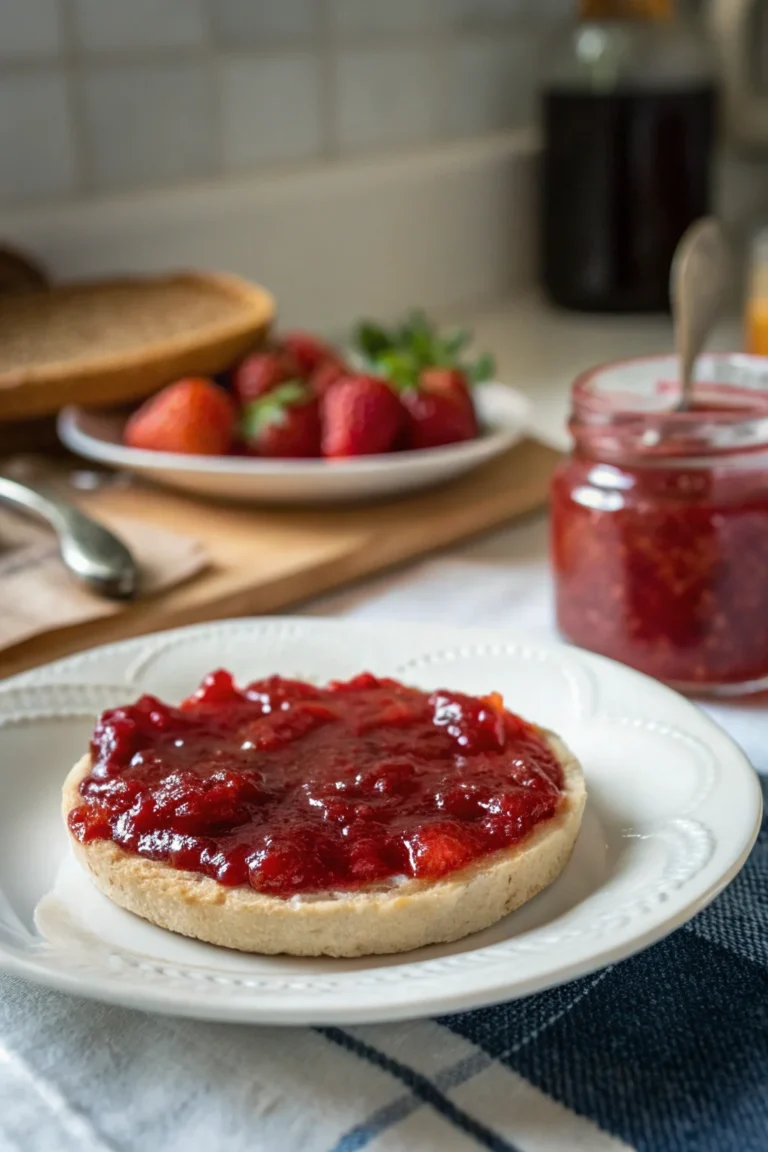
- Strawberry Compote: Cook strawberries with sugar until thick. This filling is perfect for a strawberry shortcake or a summer-themed cake, offering a fresh, juicy flavor profile.
- Lemon Curd: A tangy, creamy filling made with lemon juice, sugar, and eggs. It’s excellent for adding a zesty punch to vanilla or poppy seed cakes.
- Raspberry Jam: Simple to make or buy, offering a sweet and tart flavor. Raspberry jam can be layered with chocolate or vanilla sponge for a classic combination.
Fruit fillings are excellent for adding freshness and a burst of flavor to cakes. They work well with sponge cakes and can be layered with buttercream for contrast. When using fresh fruit, ensure it is ripe for the best flavor and texture.
How Do You Make a Custard Filling?
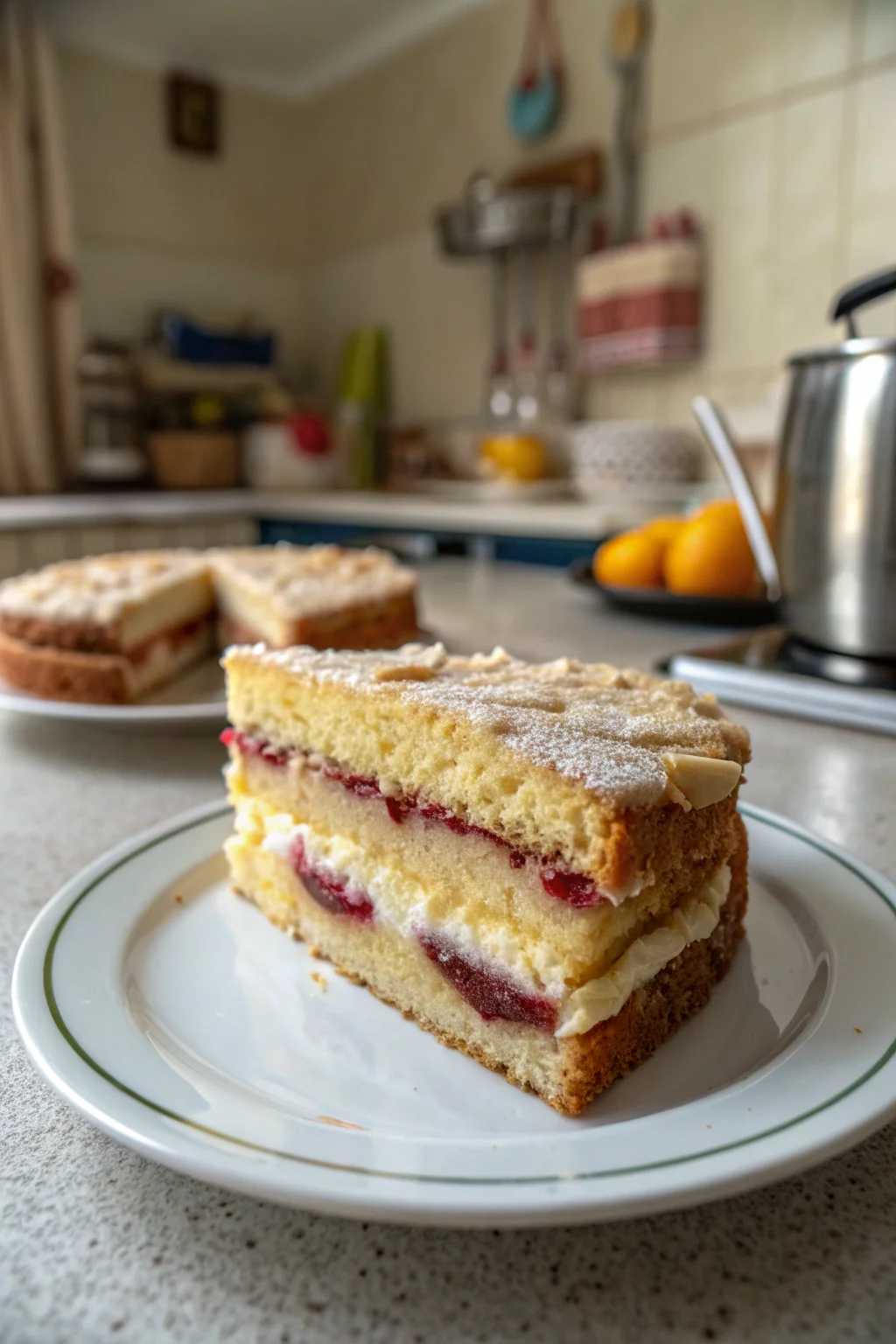
To make a custard filling:
- Ingredients: Milk, sugar, egg yolks, and vanilla extract. Cornstarch or flour can be used as a thickening agent to achieve the desired consistency.
- Process: Heat milk and sugar, then temper with egg yolks. Cook until thick, adding vanilla last. The tempering process involves slowly adding hot milk to the yolks to prevent them from scrambling. Use a whisk to keep the mix smooth and lump-free.
- Tips: Use a heavy-bottomed pan to prevent scorching and stir constantly. Chilling the custard before using it as a filling will help it set properly. If adding chocolate, melt it and mix into the hot custard for a rich chocolate variation.
Custard fillings are great for vanilla or chocolate cakes. They add a silky texture and can be flavored with various extracts or liquors. Custard is the ideal filling for decadent layer cakes or filled pastries.
What Are the Pros and Cons of Buttercream Fillings?
Pros:
- Versatile: Easily flavored and colored. Buttercream can be adapted to suit any cake theme or color scheme, making it a favorite for custom cakes and intricate designs.
- Stable: Holds up well in different climates. Its stability makes it ideal for cakes that need to withstand transportation or warmer environments.
- Rich Flavor: Enhances the cake’s overall taste. The creamy texture compliments most cake bases, adding a layer of indulgence.
Cons:
- Sweetness: Can be too sweet for some palates. Adjust the sweetness by incorporating unsweetened cocoa or balancing with tart fillings like lemon curd.
- Heavy: May not be ideal for lighter cakes like angel food. Consider using whipped cream or a lightened version of buttercream for delicate cakes.
Are There Dairy-Free Cake Filling Options?
Yes, there are several dairy-free alternatives:
- Vegan Buttercream: Made with plant-based butter and coconut milk. This version retains the creamy texture of traditional buttercream, catering to vegan or lactose-intolerant individuals.
- Fruit Fillings: Naturally dairy-free and can be thickened with cornstarch. Perfect for adding vibrant flavor without dairy ingredients.
- Chocolate Ganache: Use dairy-free chocolate and coconut milk. This rich filling is perfect for chocolate lovers, adding a glossy finish to cakes.
These options cater to dietary restrictions without sacrificing flavor. Experiment with different plant-based ingredients to find the perfect balance for your cake.
How Long Can You Store Cake Fillings?
Storage time varies by filling type:
- Buttercream: Lasts up to a week refrigerated. It can also be frozen for up to three months, allowing you to prepare in advance.
- Fruit Fillings: Typically last 3–5 days in the fridge; freeze for longer storage. Ensure they are stored in airtight containers to prevent them from absorbing other flavors.
- Custard: Best used within 2–3 days; does not freeze well. Refrigerate custard immediately to prevent spoilage.
Always store fillings in airtight containers to maintain freshness. Label containers with dates to keep track of their storage life.
Can You Use Store-Bought Fillings?
Store-bought fillings are convenient and reliable, especially when pressed for time. Look for:
- Quality Brands: Choose trusted brands like Smucker’s for fruit fillings. These brands often use high-quality ingredients, ensuring a reliable product.
- Ingredients: Check for preservatives if you’re concerned about additives. Some brands offer organic or preservative-free options.
- Taste Test: Sample before using to ensure it matches your desired flavor. Customizing with a splash of citrus or a pinch of spice can enhance store-bought options.
How Do You Prevent Fillings from Leaking?
To prevent leakage:
- Create a Dam: Pipe a ring of buttercream around cake edges before adding filling. This acts as a barrier, preventing softer fillings from seeping out.
- Use Thickened Fillings: Ensure fruit fillings are not too runny by adding cornstarch. A properly thickened filling will maintain its structure between layers.
- Chill Layers: Refrigerate layered cakes to set fillings before final assembly. This helps the cake stabilize and makes it easier to frost.
What Are Some Unique Cake Filling Ideas?
Experiment with:
- Nutella or Peanut Butter: Add richness and a nutty flavor. These can be swirled into buttercream or used alone for a decadent treat.
- Mascarpone Cream: Mix mascarpone cheese with cream and sugar for a luxurious filling. It pairs beautifully with coffee or citrus-flavored cakes.
- Spiced Apple: Use cooked apples with cinnamon for a fall-inspired cake. Perfect for a cozy, comforting dessert during cooler months.
What Tools Are Essential for Filling Cakes?
Essential tools include:
- Offset Spatula: For even spreading. A small or medium-sized spatula allows for precision and control.
- Piping Bags: Designed for precision application. Use different tips to create decorative borders or patterns.
- Cake Turntable: Makes layering and decorating easier. A turntable provides a steady platform to work on, ensuring even layers and smooth frosting.
For more cake decorating tips, visit our Cake Decorating Basics page.
Conclusion
Understanding the three types of cake fillings can elevate your baking. Whether you prefer the classic richness of buttercream, the bright flavors of fruit, or the creamy texture of custard, each filling offers unique benefits. Experiment with flavors and techniques to find the perfect match for your cakes. With the right filling, a simple cake can be transformed into a gourmet dessert that impresses both visually and gastronomically. For more cake ideas, explore our Cake Recipes section. Happy baking!
More on cakespedia.blog • Search “What Are the Three Types of Cake Fillings? Explained”