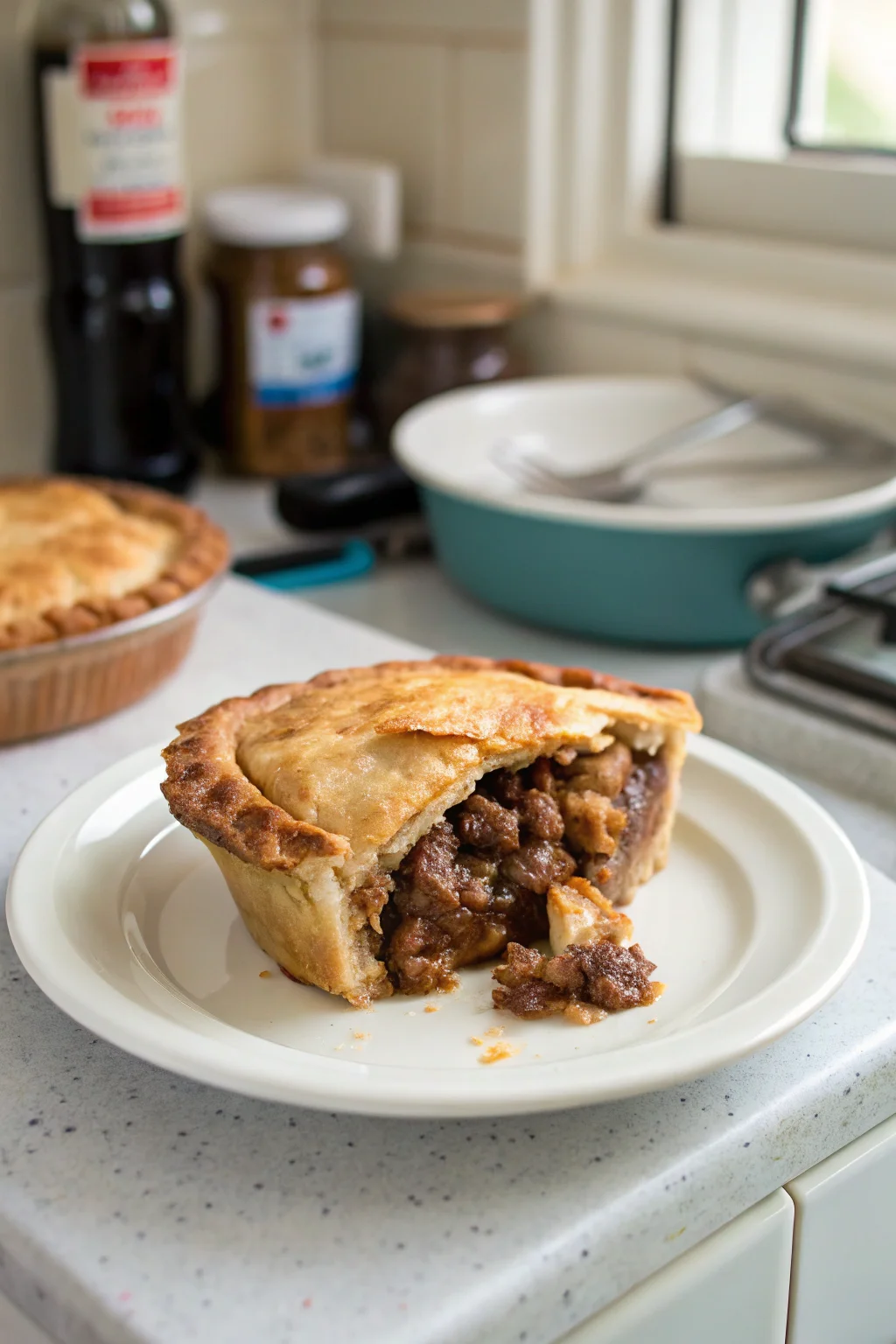
If you’re passionate about making hearty, delicious pies, you’re likely on the hunt for the best cut of beef to use. The right cut can make a huge difference in flavor and texture, turning your pie into a mouthwatering masterpiece. In this guide, we’ll explore the most suitable beef cuts for pies, answer common questions, and provide tips to enhance your pie-making experience.
What Cuts of Beef are Best for Pies?
When selecting beef for pies, consider cuts that become tender with slow cooking. Some of the best options include:
Chuck Steak: Known for its rich flavor and marbling, chuck steak is ideal for slow cooking. It becomes incredibly tender, making it perfect for pies. Chuck steak is derived from the shoulder area of the cow. This part of the animal gets a lot of exercise, which means the meat is flavorful but needs time to become tender. The marbling in the chuck steak ensures that the meat stays moist and juicy, and it also imparts a wonderful, beefy flavor that permeates the entire pie filling. When cooking with chuck steak, you can enhance its flavor with additional ingredients like onions, garlic, and herbs.
Brisket: This cut is slightly fattier and benefits from long, slow cooking. It breaks down beautifully, adding a depth of flavor to your pie. Brisket comes from the lower chest or breast of the cow and is known for its fatty layer, which renders down during cooking to create a rich, savory taste. This fat is not only essential for flavor but also for the texture, as it keeps the filling moist. When preparing brisket for pies, consider using a rub or marinade before cooking to introduce even more layers of flavor.
Shin/Shank: Often overlooked, the shin or shank is full of connective tissue that dissolves into a rich sauce when cooked slowly. The shin is taken from the leg of the cow and is typically a less expensive cut. Its abundance of connective tissue, such as collagen, transforms into gelatin as it cooks, which thickens the sauce and adds a luxurious mouthfeel to the pie filling. To maximize the flavor from shin or shank, consider braising it with vegetables and stock for a hearty and satisfying meal.
Short Rib: With a good balance of meat and fat, short rib is another excellent choice for a juicy pie filling. Short ribs come from the lower part of the rib cage and are known for their robust flavor. When slow-cooked, the meat becomes incredibly tender, making it easy to pull apart and incorporate into your pie filling. The fat in the short ribs also contributes to a rich, savory sauce that coats the meat and enhances every bite.
Why is Chuck Steak a Popular Choice for Beef Pies?
Chuck steak is favored for its balance of flavor, fat, and tenderness when cooked. Its marbling ensures the meat stays moist during the long cooking process required for pies, resulting in a juicy, flavorful filling. Additionally, chuck steak is generally more affordable than prime cuts, making it a budget-friendly option for pie enthusiasts. When using chuck steak, it’s important to cut the meat into uniform pieces to ensure even cooking. This cut also pairs well with a variety of flavors, allowing you to experiment with different spices and herbs to suit your taste.
How Does Brisket Enhance the Flavor of Beef Pies?
Brisket adds a unique depth of flavor to beef pies due to its higher fat content. When slow-cooked, the fat renders down, providing a rich, beefy taste that permeates the entire dish. This cut is ideal for those who enjoy a more robust, hearty pie. For best results, ensure the brisket is cooked until it is fall-apart tender. To achieve this, consider cooking the brisket in a flavorful liquid, such as beef stock or red wine, which will add to the complexity of the dish. Additionally, seasoning the brisket with a dry rub of spices can enhance the natural flavors of the meat.
Is Shin/Shank a Good Option for Beef Pies?
Yes, shin or shank is an excellent choice for beef pies. These cuts are loaded with connective tissue, which breaks down during long, slow cooking, creating a gelatinous, succulent texture. This transformation adds body to your pie filling, making it both flavorful and satisfying. To make the most of shin or shank, consider slow-cooking it with aromatic vegetables such as carrots, onions, and celery, which will infuse the meat with additional flavor. You can also add a splash of wine or a spoonful of tomato paste to the cooking liquid for added depth.
Can You Use Short Rib for Beef Pies?
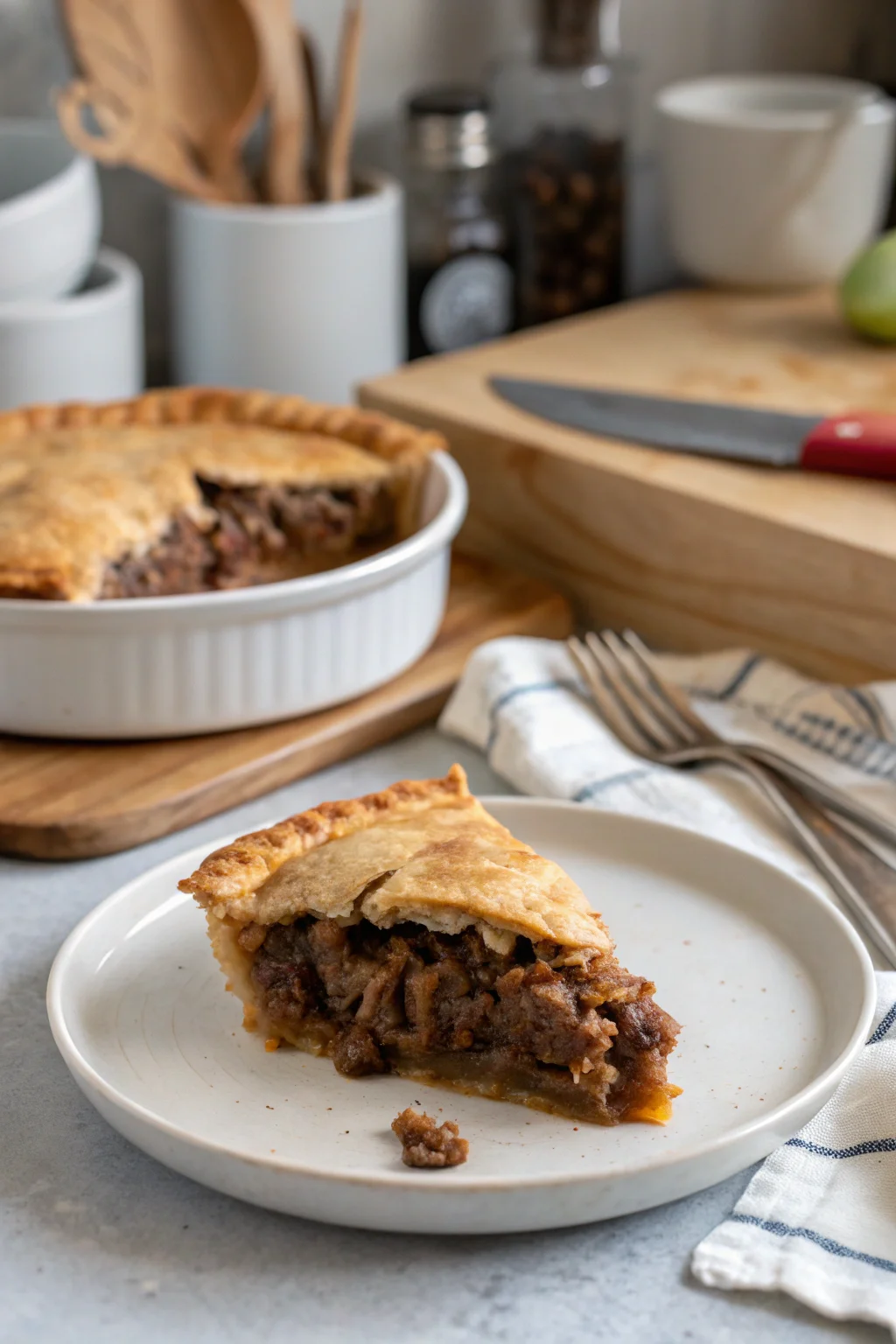
Absolutely. Short rib is a fantastic option due to its rich marbling and depth of flavor. The combination of meat and fat helps create a luscious, tender filling that is ideal for pies. For best results, consider browning the short ribs before slow cooking to enhance their natural flavors. This initial browning step caramelizes the surface of the meat, creating a complex layer of flavors that will enrich the entire dish. When slow-cooking short ribs, be sure to use a flavorful liquid and allow enough time for the meat to become melt-in-your-mouth tender.
What Are Some Tips for Preparing Beef for Pies?
Here are a few tips to ensure your beef pie is a success:
Trim Excess Fat: Remove any large pieces of fat to avoid an overly greasy pie. While some fat is necessary for flavor, too much can overwhelm the dish and lead to an unappetizing texture.
Brown the Meat: Searing the beef before stewing it enhances its flavor. This step helps to lock in the juices and develop a rich, savory crust that adds complexity to the final dish.
Cook Slowly: Use a slow cooker or a low oven temperature to achieve tender meat. Slow cooking allows the collagen in the meat to break down, resulting in a tender and flavorful filling.
Season Well: Don’t forget salt and pepper, and consider adding herbs like thyme or bay leaf for extra flavor. These seasonings enhance the natural flavors of the beef and contribute to a well-rounded pie filling.
Use a Thickener: If your pie filling is too thin, consider using a thickener like flour or cornstarch. This can be mixed with a small amount of water or broth before being added to the filling to avoid lumps.
How Does Cooking Method Impact the Choice of Beef Cut?
The cooking method is crucial in determining the best cut for your pie. Slow cooking methods, such as braising or stewing, are perfect for tougher cuts like chuck, brisket, and shank. These methods allow the collagen in the meat to break down, resulting in a tender, flavorful pie filling. Each of these cuts benefits from extended cooking times, which helps to develop deep, rich flavors. If you attempt to cook these cuts too quickly, the meat may remain tough and chewy, so patience is key when preparing beef pies.
What Are Common Mistakes to Avoid When Making Beef Pies?
To ensure your beef pie turns out perfect, avoid these common mistakes:
Using Lean Cuts: Lean cuts can result in dry, tough meat. When making a beef pie, opt for cuts with more marbling, as the fat will keep the meat moist and add flavor to the filling.
Rushing the Cooking Process: Insufficient cooking time won’t allow the meat to tenderize properly. Slow cooking is essential to break down the connective tissue and achieve a melt-in-your-mouth texture.
Overfilling the Pie: This can lead to a soggy bottom or uneven cooking. Ensure there is enough space between the filling and the crust to allow for even cooking and a crisp, flaky pastry.
Not Adjusting Seasoning: Failing to taste and adjust seasoning can result in a bland pie. Always taste your filling before assembling the pie to ensure it is well-seasoned.
What Are Some Popular Beef Pie Recipes?
Here are a few classic beef pie recipes you might enjoy:
Steak and Ale Pie: Combines beef with ale for a rich, hearty flavor. The ale adds a slight bitterness and deep flavor that complements the beef perfectly.
Beef and Mushroom Pie: Adds earthy mushrooms for an umami boost. The mushrooms enhance the savory notes of the beef and add a satisfying texture to the filling.
Guinness Beef Pie: Uses Guinness stout for a deep, complex taste. The stout’s richness and slight sweetness balance the savory beef, creating a harmonious flavor profile.
For more recipes, you can check out BBC Good Food or AllRecipes.
How Do You Store Beef Pies?
To store beef pies:
Refrigerate: Keep in an airtight container for up to 3 days. This prevents the pie from absorbing other odors in the fridge and maintains its freshness.
Freeze: Wrap in plastic wrap and foil to freeze for up to 3 months. This double layer of protection helps prevent freezer burn and preserves the pie’s texture and flavor.
Reheat: Thaw in the fridge overnight and reheat in the oven until piping hot. Reheating in the oven helps to maintain the pie’s crispy crust and prevents the filling from becoming watery.
How Do You Reheat Beef Pies Without Drying Them Out?
Reheat beef pies by covering them with foil and placing them in a preheated oven at 350°F (175°C) until heated through. This method helps retain moisture, preventing the pie from drying out. Avoid microwaving, as it can make the pastry soggy. To ensure the filling is heated evenly, consider placing the pie on a lower oven rack and monitoring it closely during reheating.
Are There Any Vegetarian Alternatives to Beef Pies?
Certainly! For a vegetarian twist, you can use ingredients like lentils, mushrooms, or plant-based meat substitutes to mimic the texture and flavor of beef. Lentils provide protein and a hearty texture, while mushrooms offer an umami-rich flavor that complements the other ingredients. Plant-based meat substitutes are another great option, as they are designed to replicate the taste and texture of beef. Check out our article on vegetarian pie recipes for more inspiration.
Conclusion
Choosing the best cut of beef for pies involves balancing flavor, tenderness, and cooking method. Cuts like chuck, brisket, and shank stand out for their ability to transform into tender, flavorful fillings. By following the tips and insights shared in this guide, you’re well on your way to creating delicious beef pies that are sure to impress. For more tips on pie-making, explore our ultimate pie-making guide.