When it comes to savory pies, the terms “meat pie” and “pot pie” are often used interchangeably, but they actually refer to distinct dishes with unique characteristics. Understanding these differences can enhance your culinary knowledge and help you choose the perfect dish for your next meal. Whether you’re planning a dinner party or simply curious, this guide will clarify the nuances between these two popular pies.
What is a Meat Pie?
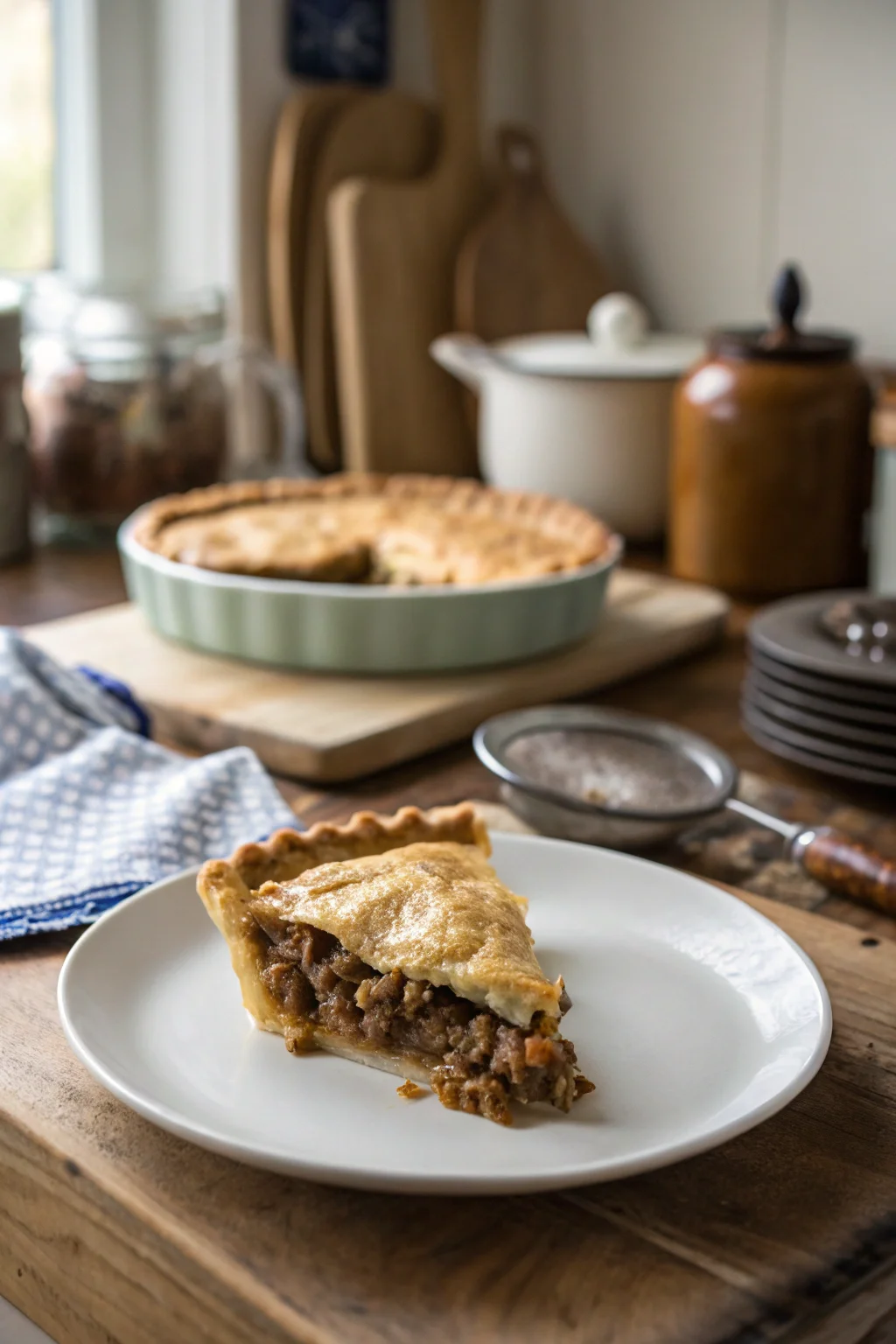
A meat pie is a savory dish that consists of a pastry crust filled primarily with minced or diced meat. It often includes vegetables and sometimes gravy. Typically, meat pies are fully encased in pastry, with both a top and bottom crust, and can be made with various types of meat like beef, lamb, or chicken.
- Pastry: Fully encased with a top and bottom crust. This complete encasement creates a satisfyingly crunchy texture that contrasts beautifully with the moist filling inside. The pastry is usually made from shortcrust dough, which is sturdy yet tender, providing the perfect vessel for the savory contents.
- Filling: Primarily meat, sometimes mixed with vegetables. The meat is often seasoned with a variety of herbs and spices, such as thyme, rosemary, and black pepper, to enhance its flavor. Vegetables like onions, carrots, and peas are common additions, lending sweetness and complexity to the filling.
- Cooking Method: Baked until the crust is golden brown. The baking process not only cooks the filling but also crisps the pastry to a delightful golden brown, creating an inviting aroma that fills the kitchen.
Meat pies are a staple in many cultures, each with its own variation, such as the British steak and kidney pie or the Australian meat pie. In Britain, for instance, the steak and kidney pie is a beloved classic, often made with a rich gravy and served alongside mashed potatoes or mushy peas. In Australia, the meat pie is almost a cultural icon, often filled with ground beef and enjoyed at sporting events.
What is a Pot Pie?
A pot pie is a type of pie with a flaky crust on top and a filling that often consists of meat, vegetables, and a creamy sauce or gravy. Unlike meat pies, pot pies usually have only a top crust.
- Pastry: Typically only a top crust. This top layer is often made from puff pastry or pie dough, which turns flaky and light during baking, offering a delightful contrast to the rich filling beneath.
- Filling: Meat, vegetables, and creamy sauce. The filling is typically a comforting blend of tender meat chunks, such as chicken or turkey, combined with vegetables like peas, carrots, and potatoes, all enveloped in a thick, creamy sauce that binds the ingredients together.
- Cooking Method: Baked with a golden, flaky top crust. The baking process ensures the top crust becomes beautifully golden and crisp, while the filling becomes bubbly and aromatic.
Pot pies are popular in American cuisine, with chicken pot pie being one of the most well-known varieties. The chicken pot pie is a quintessential comfort food in many American households, often served during the colder months as a warming and hearty meal.
How Does the Pastry Differ Between Meat Pies and Pot Pies?
The primary difference in pastry lies in the coverage and type. Meat pies are fully encased in pastry, providing a crispy layer on all sides. Pot pies often have just a top crust, which can be a flaky puff pastry or a simple pie dough.
- Meat Pie Pastry: Full coverage, typically a shortcrust pastry. This full encasement not only adds to the richness of the pie but also helps to seal in the moisture of the filling, preventing it from drying out during baking.
- Pot Pie Pastry: Top crust only, often puff pastry. This allows for a more textural interplay, as the creamy filling bubbles up to meet the flaky pastry, creating a delicious contrast.
The type of pastry affects the texture and flavor of each dish, adding to their unique culinary identities. For instance, the shortcrust of a meat pie provides a more robust, hearty texture, while the puff pastry of a pot pie offers a lighter, more delicate crunch.
Are There Regional Variations of Meat and Pot Pies?
Yes, both meat pies and pot pies have regional variations that reflect local tastes and ingredients. These variations not only highlight the adaptability of these dishes but also their cultural significance.
- Meat Pies: British steak and kidney, Australian meat pies, French tourtière. Each of these variants uses local ingredients and traditional techniques to create distinct flavors and textures. The French tourtière, for example, is a spiced meat pie that often features pork and is traditionally served during the Christmas season in Quebec.
- Pot Pies: American chicken pot pie, seafood pot pies in coastal regions. In coastal areas, pot pies might incorporate fresh seafood like shrimp or crab, creating a luxurious dish that showcases the bounty of the sea.
These variations showcase the versatility of these dishes and their adaptability to different cuisines. From the hearty Scottish mince pie to the spicy Moroccan pastilla, savory pies are a canvas for culinary creativity.
What Types of Meat are Commonly Used?
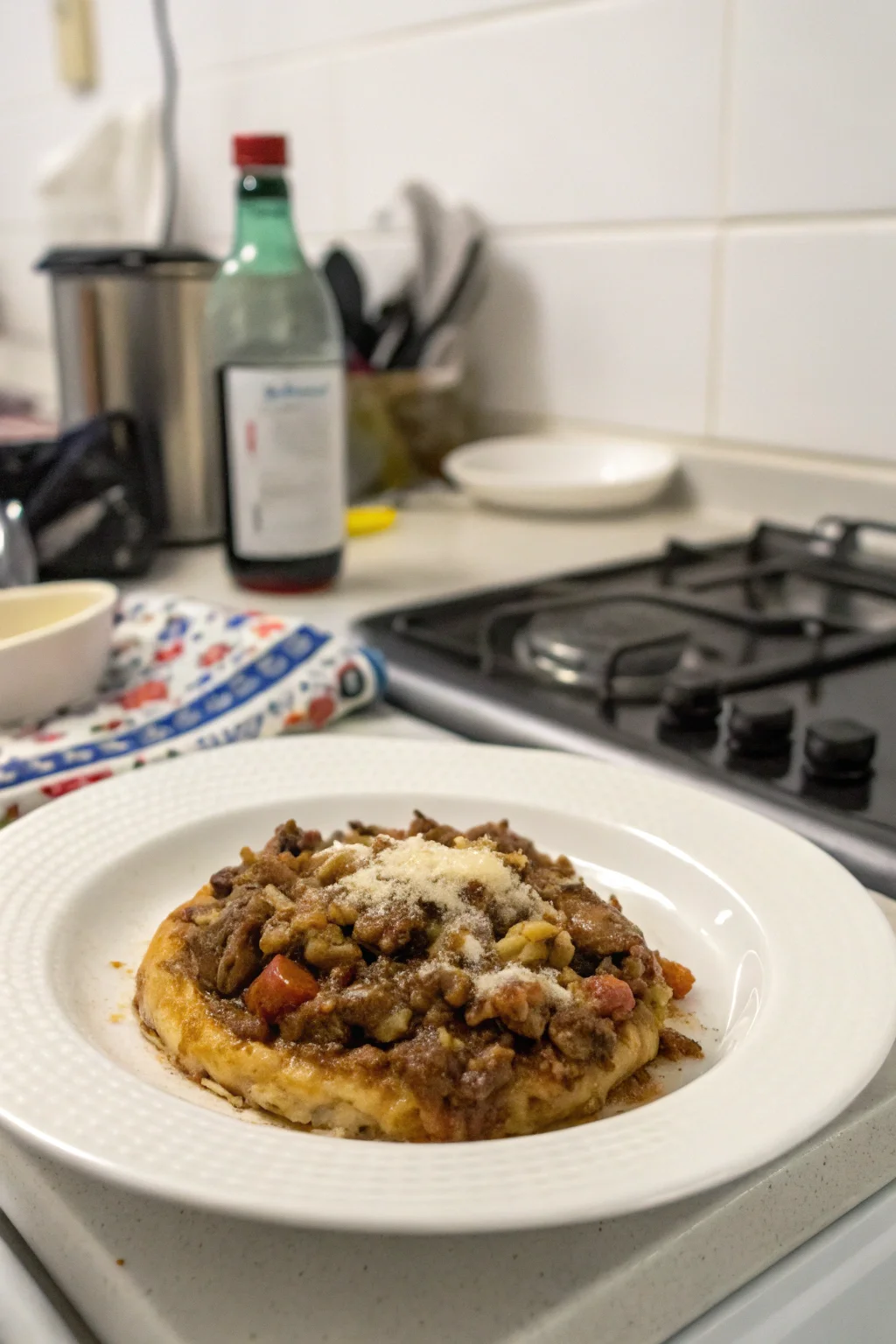
Different types of meat can be used in both pies, but preferences often vary by region. The choice of meat can significantly alter the flavor and texture of the pie, allowing for a wide range of culinary experiences.
- Meat Pies: Beef, lamb, pork. These meats are often slow-cooked or braised before being encased in pastry, which intensifies their flavors and ensures they remain tender and juicy.
- Pot Pies: Chicken, turkey, seafood. The meat is usually poached or lightly cooked before being combined with the creamy sauce, ensuring it remains succulent and flavorful.
The choice of meat can affect the flavor profile and richness of the pie, offering a wide range of taste experiences. For example, lamb in a meat pie provides a strong, gamey flavor that pairs well with robust herbs, while chicken in a pot pie offers a milder taste that complements the creamy sauce.
How Do the Fillings Differ in Texture and Flavor?
The filling texture and flavor are influenced by the ingredients and cooking method. Each type of pie offers a distinct eating experience, from the dense, savory bite of a meat pie to the luxurious creaminess of a pot pie.
- Meat Pies: Dense, meaty flavor, often savory with herbs. The filling is typically cooked until thick and cohesive, with a focus on the depth of flavor achieved through the use of rich broths and aromatic herbs.
- Pot Pies: Creamy, rich, with a balance of meat and vegetables. The sauce in a pot pie is often made with a roux or cream, which adds a silky texture and helps to bind the ingredients together.
The use of gravy in meat pies and creamy sauces in pot pies creates distinct textures and flavors. The gravy in a meat pie acts as both a flavor enhancer and moisture provider, while the creamy sauce in a pot pie envelops the ingredients, creating a cohesive and indulgent filling.
Can Vegetables Be Included in Both Pies?
Yes, vegetables are commonly included in both types of pies, enhancing their nutritional value and flavor. Vegetables not only add bulk and color to the pies but also contribute to their overall taste and texture.
- Meat Pies: Onions, peas, carrots. These vegetables are often sautéed before being added to the pie, which helps to bring out their natural sweetness and integrate their flavors into the meat filling.
- Pot Pies: Potatoes, carrots, peas, celery. These vegetables provide texture and substance, complementing the creamy sauce and adding an extra layer of flavor.
Vegetables add bulk and flavor, creating a hearty and satisfying dish. For example, the sweetness of carrots and peas in a meat pie can balance the savory richness of the meat, while the starchiness of potatoes in a pot pie adds to its comforting appeal.
What Cooking Techniques are Used?
Both pies are typically baked, but the preparation methods can vary. These techniques not only affect the final flavor and texture of the pies but also their presentation and appeal.
- Meat Pies: Slow-cooked filling before baking. The filling is often prepared by slowly simmering the meat with aromatics and broth, allowing the flavors to meld and the meat to become tender. This method intensifies the taste and ensures the filling is rich and succulent.
- Pot Pies: Filling cooked on the stovetop, then baked. The ingredients are usually cooked together in a pot before being transferred to a baking dish and topped with pastry. This method allows for the flavors to blend harmoniously before the final baking step.
The different techniques influence the final taste and texture of the pies. A slow-cooked meat pie filling will be deeply flavored and cohesive, while a pot pie filling will be creamy and enveloping, with a variety of textures from the different ingredients.
Are There Variations for Dietary Preferences?
Both pies can be adapted for dietary preferences, such as vegetarian or gluten-free diets. These adaptations make the pies accessible to a wider audience, allowing everyone to enjoy these comforting dishes.
- Vegetarian Meat Pie: Lentils or mushrooms as a meat substitute. These ingredients provide a similar texture and umami flavor to meat, making them ideal for a vegetarian version. Adding herbs and spices can further enhance the taste.
- Gluten-Free Pot Pie: Gluten-free pastry options. Using gluten-free flour mixes or alternative crusts ensures that those with gluten sensitivities can still enjoy the flaky, delicious top crust of a pot pie.
These adaptations allow everyone to enjoy these delicious dishes. Whether you’re catering to dietary restrictions or simply looking to try something new, there are numerous ways to customize these pies to suit your needs.
How are These Pies Traditionally Served?
Serving styles can enhance the dining experience. The way these pies are presented and accompanied can add to the enjoyment and satisfaction of the meal.
- Meat Pies: Often served with sides like mashed potatoes or mushy peas. These sides complement the rich, savory pie and add a comforting, homely touch to the meal. A dollop of tangy chutney or sauce can also add a delightful contrast.
- Pot Pies: Typically served as a standalone dish. The creamy, filling nature of a pot pie makes it a complete meal in itself, although it can be paired with a simple salad or crusty bread for added texture.
These serving suggestions highlight the pies’ comforting qualities. Whether enjoyed on a cozy evening at home or as part of a festive gathering, these pies offer a sense of warmth and satisfaction.
Which Pie is More Popular Globally?
Popularity can depend on cultural preferences and regional availability. Both types of pies have a significant following, but their prominence varies across different parts of the world.
- Meat Pies: Popular in the UK, Australia, and New Zealand. In these regions, meat pies are often associated with national traditions and are a common feature at events and gatherings.
- Pot Pies: Widely consumed in the United States. The pot pie, particularly the chicken variety, is a staple comfort food in many American households, often featured in family dinners and holiday meals.
Both pies enjoy global popularity, each with its own fan base. While meat pies may be more prevalent in Commonwealth countries, pot pies hold a special place in American culinary tradition.
How Can You Make These Pies at Home?
Making pies at home can be a rewarding experience. Consider starting with a simple recipe and gradually experimenting with ingredients. Home-cooked pies allow you to customize flavors and tailor the dish to your personal tastes.
- Meat Pie Recipe: Classic Australian Meat Pie Recipe. This recipe provides a straightforward approach to creating a traditional meat pie, complete with a rich beef filling and buttery pastry.
- Pot Pie Recipe: Easy Chicken Pot Pie Recipe. This recipe offers a simple yet delicious way to make a classic chicken pot pie, featuring a creamy filling and flaky top crust.
For more home-cooking inspiration, check out our Savory Pie Recipes or Cooking Tips. Experimenting with different ingredients, spices, and techniques can lead to delightful discoveries and personalized variations of these classic dishes.
What are the Nutritional Differences?
Nutritional content varies based on ingredients used. Understanding these differences can help you make informed dietary choices and tailor the pies to your nutritional preferences.
- Meat Pies: Higher in calories, protein. The dense meat filling contributes to a higher calorie count, but also provides substantial protein content, making it a hearty option.
- Pot Pies: Slightly lower in calories, higher in carbs due to creamy sauce. The use of a creamy sauce and vegetables increases the carbohydrate content, offering a more balanced nutritional profile.
Understanding these differences can help you make healthier choices based on dietary needs. Whether you’re seeking a protein-rich meal or a balanced dish with more vegetables, both types of pies can be adjusted to meet your nutritional goals.
Conclusion
While meat pies and pot pies share similarities, their differences make each unique. From the type of crust to the filling textures, these distinctions contribute to the rich tapestry of savory pies enjoyed worldwide. Whether you’re a fan of the fully encased meat pie or the creamy pot pie, there’s a delicious option for everyone. Explore your culinary preferences and enjoy the diverse flavors these pies have to offer. Whether you’re baking for a special occasion or simply indulging in a comforting meal, the world of savory pies promises endless possibilities and satisfying flavors.