
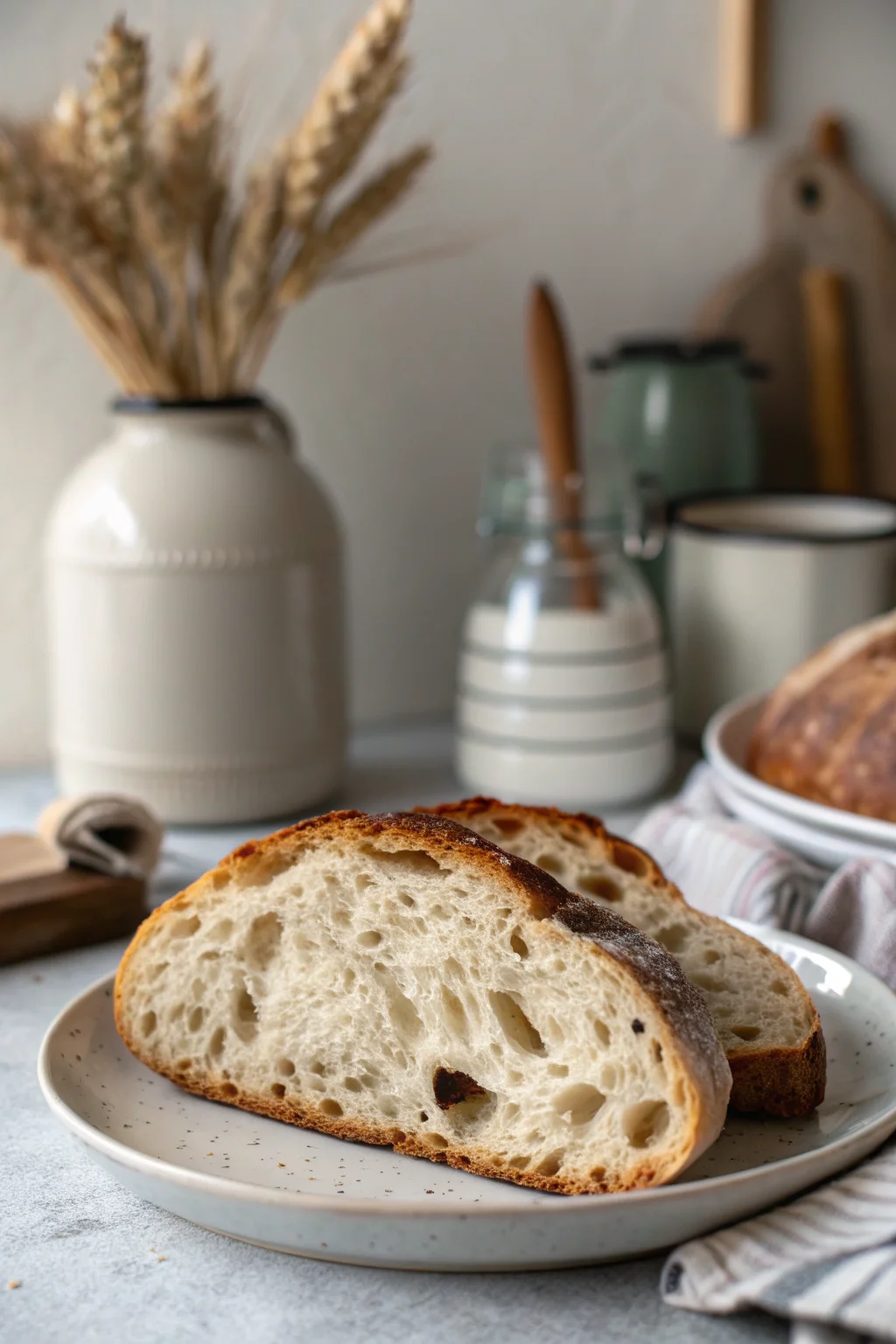
Sourdough bread is a timeless favorite, celebrated for its robust flavor, crispy crust, and tender crumb. Whether you’re a seasoned baker or just starting, mastering sourdough can be both a science and an art. In this article, we’ll delve into the secrets and techniques that can elevate your sourdough baking to the next level. Let’s explore the nuances that make good sourdough bread truly exceptional.
What is the Role of the Starter in Sourdough Bread?
The starter is the cornerstone of sourdough bread. It is a fermented mixture of flour and water that contains wild yeast and beneficial bacteria. These microorganisms ferment the dough, producing carbon dioxide, which gives the bread its rise, and lactic acid, which imparts its characteristic tangy flavor. To maintain a healthy starter:
- Feed it regularly: Use equal parts flour and water, typically every 12-24 hours. Regular feeding keeps the yeast and bacteria active and thriving. If you notice a layer of liquid (called “hooch”) on top, it’s a sign your starter is hungry and needs to be fed.
- Use it when active: Ensure the starter is bubbly and has doubled in size before using it in your recipe. This usually means it’s at its peak activity and will give your dough the best rise and flavor. A simple float test—dropping a spoonful of starter in water to see if it floats—can confirm readiness.
- Store it properly: Keep it in a cool, dry place or refrigerate if not used daily. Refrigeration slows down the fermentation process, allowing you to feed it less frequently, about once a week.
For more on maintaining a strong starter, check out our guide to sourdough starter care.
How Important is Flour Choice in Sourdough Bread?
Flour choice significantly impacts the texture and flavor of sourdough bread. High-protein flours, like bread flour, are ideal as they provide the necessary gluten structure for a good rise. Whole grain flours add flavor and nutrition but can result in denser bread. Consider these tips:
- Mix different flours: Combine bread flour with whole wheat or rye for added flavor. Rye flour, in particular, can boost fermentation activity due to its higher nutrient content, which feeds the yeast.
- Use fresh flour: Freshly milled flour can enhance flavor and fermentation activity. If possible, visit a local mill or grind your own flour to experience the difference in taste and texture.
- Experiment: Try different brands and types to find what works best for your taste. Each flour brand can have different protein levels, affecting gluten formation and dough handling.
Explore our flour guide for more insights and recommendations.
What is the Best Hydration Level for Sourdough Bread?
Hydration level refers to the ratio of water to flour in your dough. It affects the bread’s texture, crumb, and crust. A typical range is 65% to 85%. Higher hydration doughs yield open crumb structures and a chewy texture, but are more challenging to handle. Consider:
- Start lower: Beginners may find 70% hydration easier to manage. This level allows for a more forgiving dough that is less sticky and easier to shape.
- Adjust for climate: Humidity can influence hydration needs. In dry climates, you might need slightly more water; in humid areas, less.
- Experiment: Gradually increase hydration as you gain confidence. Higher hydration levels can result in more pronounced sour flavors and a more open crumb.
For more specifics, King Arthur Baking offers a detailed hydration guide.
How Does Autolyse Improve Sourdough Bread?
Autolyse is a process where flour and water are mixed and left to rest before adding salt and starter. This technique improves gluten development, flavor, and dough extensibility. Benefits of autolyse include:
- Easier kneading: Shortens the kneading process as gluten develops naturally. This can be particularly beneficial for those who prefer hand-mixing over using a mixer.
- Enhanced flavor: Allows enzymes to break down starches into sugars, which not only improves taste but can also aid in achieving a beautiful caramelized crust.
- Better texture: Results in a more open crumb and improved crust. The dough becomes more extensible, making it easier to shape and score.
To implement autolyse, mix flour and water and let it sit for 20 minutes to 4 hours before adding other ingredients. Longer autolyse times can further develop flavors but be cautious of overdoing it, which might weaken the dough structure.
Why is Stretch and Fold Technique Essential?
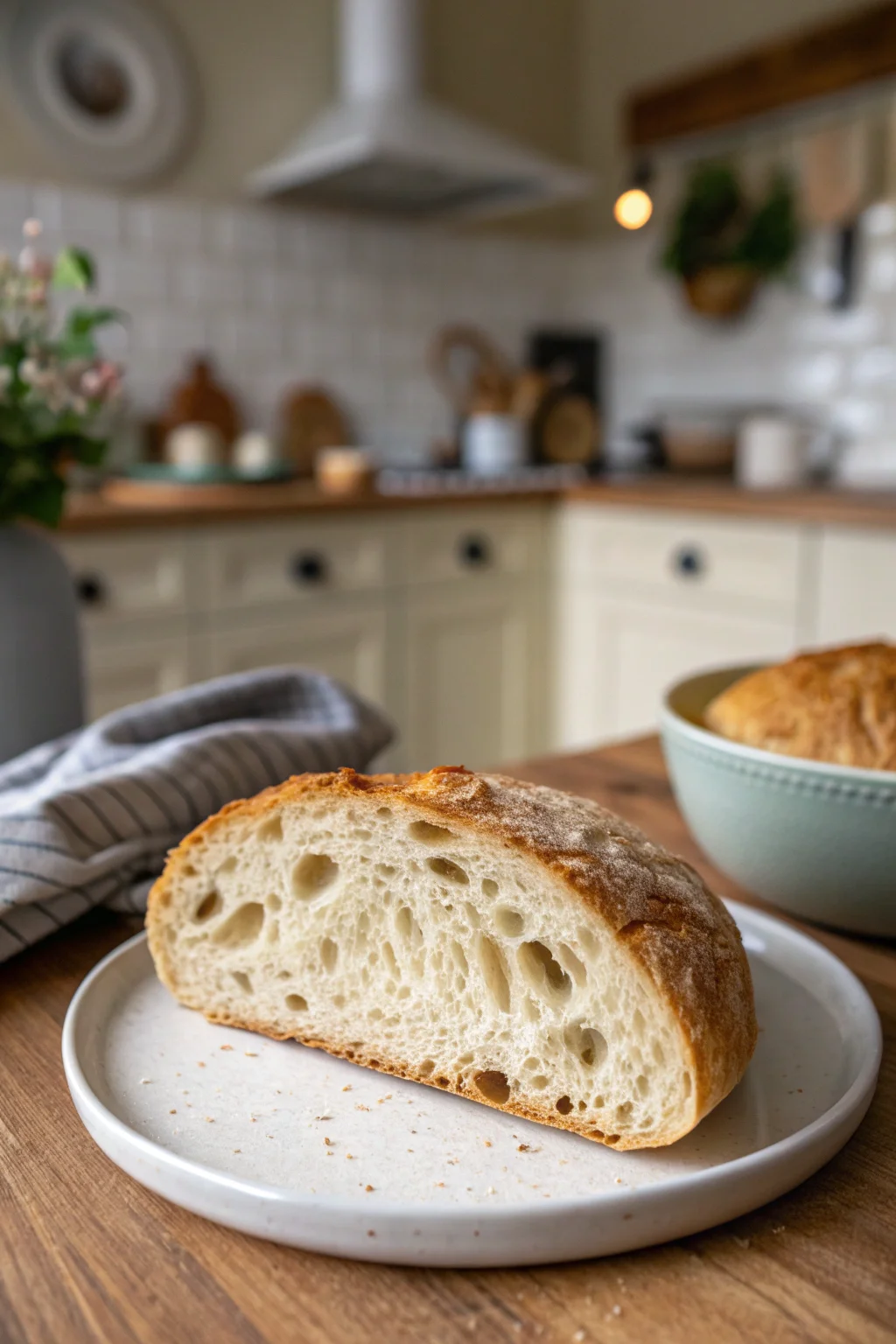
The stretch and fold technique strengthens the dough without overworking it. It is crucial for gluten development, especially in high-hydration doughs. Here’s how it works:
- Perform regularly: Every 30 minutes during the bulk fermentation, perform 3-4 rounds. This regular interval helps to build a strong and resilient dough structure.
- Gentle handling: Stretch one side of the dough and fold it over itself; repeat with all sides. This helps to gently develop gluten without tearing the dough.
- Observe changes: The dough will become smoother and more elastic with each fold. You’ll notice it holds its shape better and feels less sticky.
This technique is particularly useful for home bakers seeking to improve dough structure. Watching videos or attending a local baking class can provide hands-on experience to perfect this technique.
How Can Temperature Control Affect Sourdough Bread?
Temperature is a critical factor in sourdough fermentation. It influences yeast activity and dough development. Keep these points in mind:
- Room temperature: Ideal range is 70°F to 75°F (21°C to 24°C) for balanced fermentation. At this range, yeast and bacteria work in harmony to produce a well-balanced flavor.
- Cooler temperatures: Slow down fermentation, enhancing flavor but requiring more time. This is ideal for developing complex flavors, as it allows more lactic acid to develop.
- Warmer temperatures: Speed up fermentation, useful for quicker baking. However, be careful as too warm can lead to over-proofing and a sourer taste.
Consider using a proofing box or a warm spot in your kitchen for consistent results. A simple DIY proofing box can be made using a cooler and a small bowl of hot water to maintain warmth.
How Long Should Sourdough Bread Ferment?
Fermentation time affects the flavor and texture. It can range from a few hours to overnight, depending on temperature and dough hydration. Key tips include:
- Bulk fermentation: Typically 4-5 hours at room temperature. During this time, the dough should approximately double in size.
- Retardation: Refrigerating the dough overnight for improved flavor and texture. This cold fermentation allows for a slower rise, developing more nuanced flavors and a chewier texture.
- Watch the dough: Not the clock; look for signs like doubling in size and air bubbles. The dough should feel light and airy, with visible fermentation activity.
For a more nuanced approach to fermentation, refer to The Perfect Loaf for expert guidance.
What Role Does Scoring Play in Sourdough Baking?
Scoring is the practice of slashing the dough’s surface before baking. It helps control the dough’s expansion and creates the signature artisanal look. Consider:
- Use a sharp tool: A lame or sharp knife prevents dragging. A dull blade can cause the dough to deflate, affecting the final rise.
- Angle and depth: Aim for a 30-45 degree angle and about 1/4 inch deep. This allows the bread to expand properly in the oven, giving it that professional look.
- Practice patterns: Start simple; as you gain confidence, try more intricate designs. Patterns not only affect the appearance but can also impact how the bread expands.
Scoring is both functional and decorative, adding to the bread’s final presentation. Watching tutorials or experimenting with patterns on practice dough can help improve your skills.
How Does Baking in a Dutch Oven Affect Sourdough Bread?
Baking in a Dutch oven mimics a steam-injected oven, crucial for achieving a crispy crust and good oven spring. Benefits include:
- Trapped steam: Keeps the crust soft initially, allowing maximum expansion. This steam is essential for a glossy crust and helps in developing a rich, dark color.
- Even heat distribution: Promotes uniform baking and browning. The thick walls of a Dutch oven maintain consistent heat, which helps in achieving an even bake.
- Controlled environment: Reduces the impact of external temperature fluctuations. This is particularly useful in home ovens, which can sometimes have uneven heating.
Ensure your Dutch oven is preheated to achieve the best results. Preheating helps to create the initial burst of steam necessary for good oven spring.
What is the Best Way to Store Sourdough Bread?
Proper storage extends the freshness of sourdough bread. Here’s how to keep it at its best:
- Room temperature: Store in a bread box or paper bag for 2-3 days. This allows the bread to breathe while maintaining its crust.
- Freezing: Slice and wrap tightly in plastic before freezing for up to 3 months. When ready to use, thaw at room temperature or toast directly from frozen.
- Avoid refrigeration: This causes bread to stale faster. The cool, dry environment of a fridge accelerates the staling process, making the bread hard and chewy.
For more storage tips, visit Breadtopia.
What Common Mistakes Should You Avoid in Sourdough Baking?
Avoiding common pitfalls can significantly improve your sourdough results. Watch out for:
- Under-proofing: Results in dense bread; ensure dough has sufficiently risen. Look for a smooth, domed surface and slight jiggle to indicate readiness.
- Over-proofing: Leads to a weak structure; don’t let dough rise excessively. Over-proofed dough can collapse and result in a flat loaf.
- Poor starter maintenance: Keep your starter healthy and active. Regular feedings and monitoring its activity ensures a strong rise and good flavor.
Review our troubleshooting guide for more tips on avoiding these mistakes.
How Can You Enhance the Flavor of Sourdough Bread?
Flavor enhancement relies on several factors. For a more flavorful sourdough:
- Long fermentation: Develops deeper flavors. Allowing the dough to ferment slowly can bring out more complex sour notes and improve texture.
- Whole grains: Add complexity and nutrition. Incorporating grains like spelt, einkorn, or barley can introduce unique flavors and nutrients.
- Add-ins: Consider seeds, nuts, or dried fruits for variety. Popular additions like sunflower seeds, walnuts, or cranberries can give your loaf a delightful twist.
Experiment with flavors to discover your perfect loaf. Keeping a baking journal can help track successful combinations and techniques.
Wrap-Up
Mastering sourdough bread involves understanding the intricate balance of ingredients, techniques, and timing. By focusing on these key areas, you can achieve the perfect loaf, characterized by its delicious flavor, texture, and appearance. Whether you’re a beginner or an experienced baker, continuous learning and experimentation will lead to sourdough success. For more tips and recipes, explore our related articles and trusted baking resources. Happy baking!