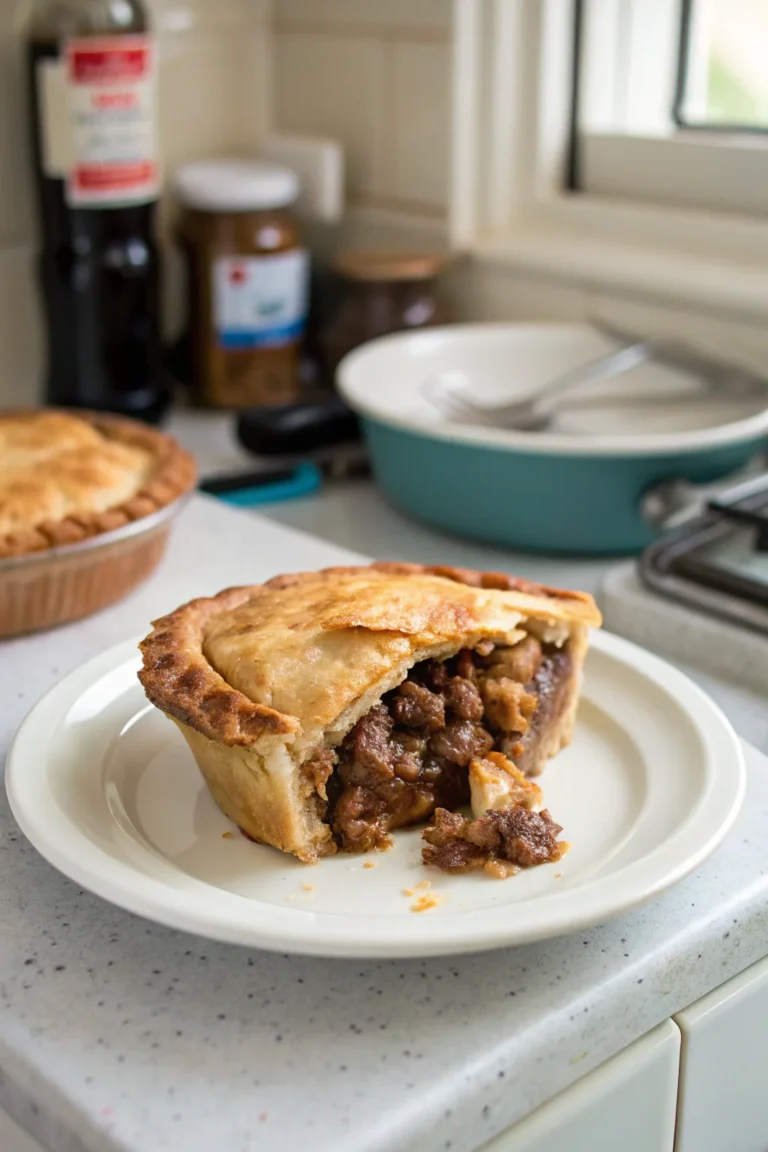
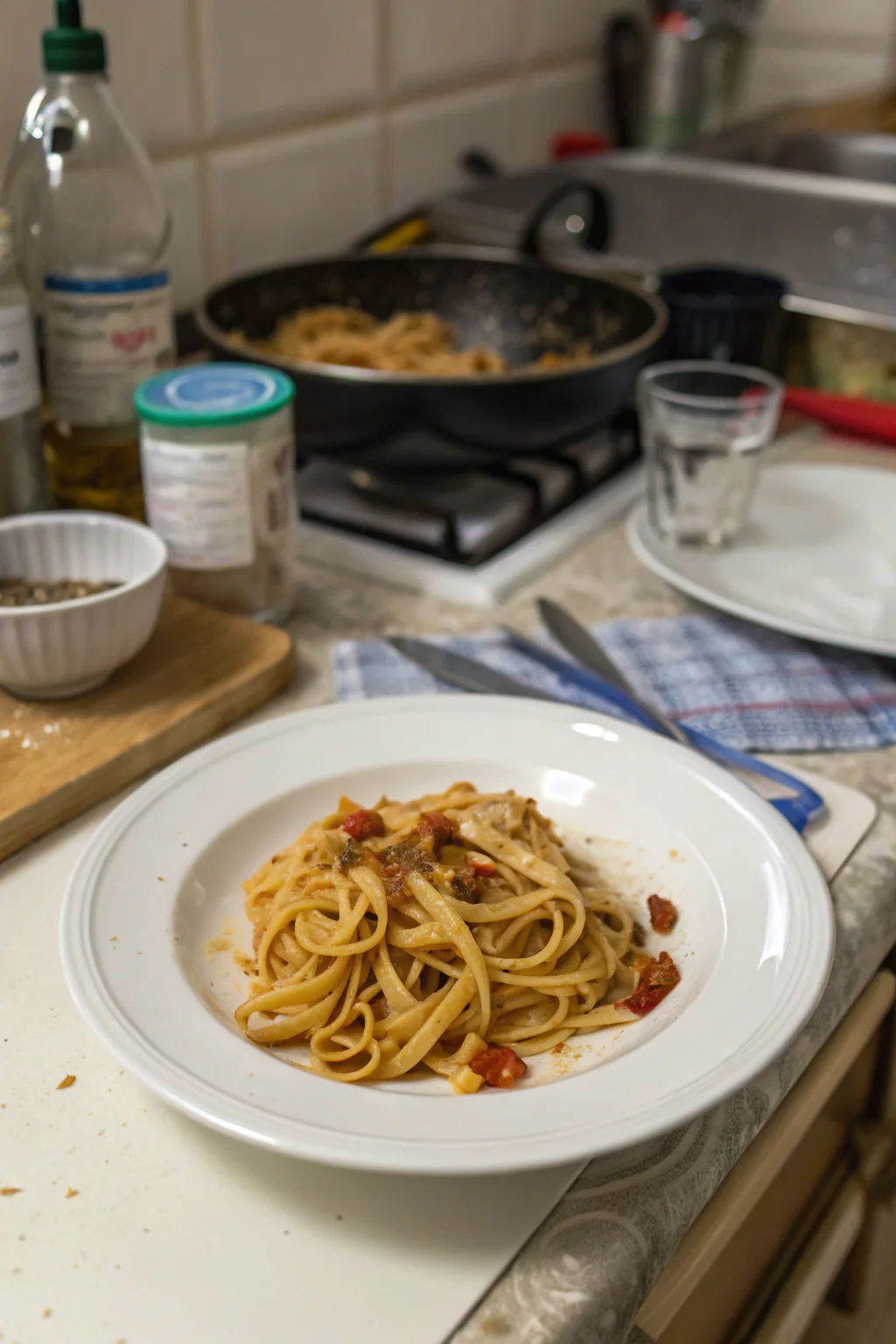
Pasta is a beloved staple in many diets around the world, but not all pasta is created equal. While some varieties offer nutritional benefits, others can be a health concern due to their ingredients and preparation methods. In this article, we’ll tackle the question, “What is the unhealthiest pasta?” and explore various types of pasta that might not be the best choice for your diet.
What Makes Pasta Unhealthy?
Pasta can become unhealthy due to several factors including the type of flour used, added ingredients, and how it’s prepared. Here are some key aspects:
Refined flour: Pasta made from refined flour lacks fiber and important nutrients. This is because the refining process removes the bran and germ, leaving only the starchy endosperm. The result is a product that digests quickly, often leading to a spike in blood sugar levels. Over time, consuming refined grains can contribute to chronic health issues such as type 2 diabetes and heart disease.
Added sugars and preservatives: Some packaged pasta varieties include unhealthy additives such as high fructose corn syrup or artificial preservatives. These additives can lead to increased calorie consumption without adding nutritional value. Furthermore, preservatives such as sodium benzoate and sulfites can cause adverse reactions in sensitive individuals and are often linked to inflammation.
High-calorie sauces: Creamy or sugary sauces can significantly increase calorie intake. Sauces like Alfredo or carbonara are rich in butter, cream, and cheese, making them high in saturated fats, which can raise cholesterol levels and contribute to cardiovascular disease.
Is White Pasta Unhealthy?
White pasta is made from refined wheat flour, which means it is stripped of most of its nutrients and fiber during processing. This can lead to:
Rapid spikes in blood sugar: The lack of fiber leads to faster digestion and absorption of carbohydrates, increasing blood sugar levels. This can be particularly concerning for individuals with insulin resistance or diabetes, as it can exacerbate their condition.
Reduced satiety: Without fiber, white pasta may not keep you full for long, leading to overeating. For those trying to manage their weight, this can be counterproductive as it can lead to increased caloric intake throughout the day.
Nutrient deficiency: Essential nutrients like iron and B vitamins are often lost in the refining process. While some manufacturers enrich white pasta with synthetic vitamins and minerals, these are not as beneficial as those naturally occurring in whole grains.
For more nutritious options, consider whole-grain pasta which retains more fiber and nutrients. Learn more about whole-grain benefits here.
Are Instant Noodles a Type of Unhealthy Pasta?
Yes, instant noodles can be considered an unhealthy type of pasta for several reasons:
High sodium content: Most instant noodles contain excessive amounts of sodium, which can contribute to hypertension. A single serving can exceed the daily recommended sodium intake, putting additional strain on the cardiovascular system.
Low nutritional value: They are often low in essential nutrients like vitamins and minerals. Instant noodles are typically made with refined flour and contain little to no fiber or protein, making them a poor choice for sustained energy.
Unhealthy fats: Many contain palm oil, which is high in saturated fat. Consuming too many saturated fats can increase the risk of heart disease. Additionally, the frying process that many instant noodles undergo adds trans fats, which are particularly harmful.
For a healthier choice, look for low-sodium options or consider making homemade noodles. Check out our healthy noodle recipes.
What Are the Ingredients in Unhealthy Pasta Varieties?
Unhealthy pasta varieties often include ingredients that aren’t beneficial for health:
Artificial flavors and colors: These additives can pose health risks. Some studies suggest that artificial colors can affect children’s behavior and may contribute to hyperactivity and attention issues.
Preservatives: Used to extend shelf life, they may have negative health effects. For example, nitrates and nitrites commonly found in processed foods have been linked to increased cancer risk.
High sugar: Some pasta varieties, especially those marketed to children, may contain added sugars. This can contribute to obesity and dental problems. It’s crucial to check labels for hidden sugars, often listed as dextrose, sucrose, or corn syrup.
Reading labels is crucial to avoid these ingredients. Opt for pasta with simple ingredient lists, ideally containing just flour and water.
How Do Cooking Methods Affect the Healthiness of Pasta?
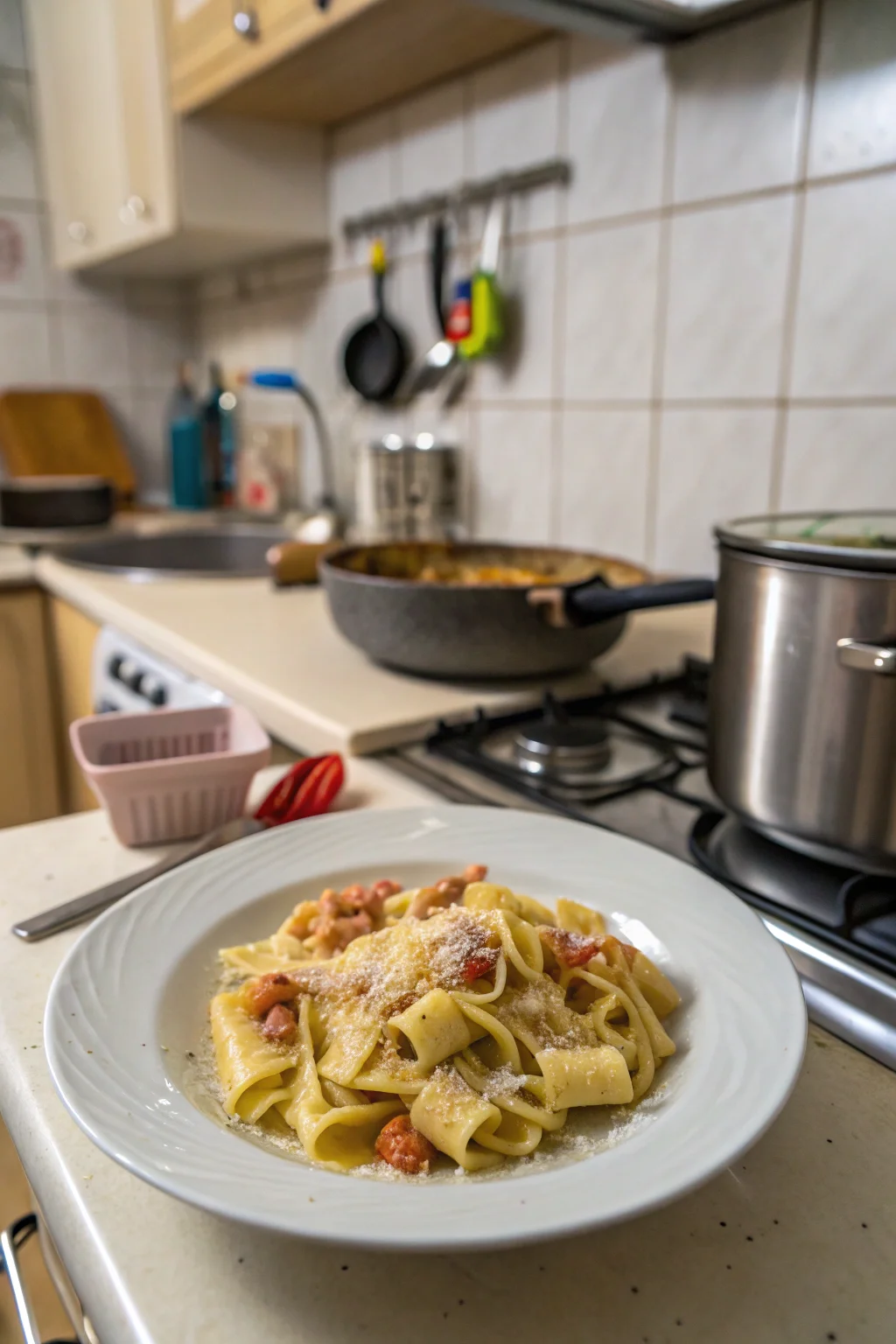
Cooking methods can significantly impact the nutritional value of pasta:
Overcooking: Leads to higher glycemic index, causing blood sugar spikes. Overcooked pasta becomes mushy, breaking down more quickly in the digestive system, leading to rapid glucose release.
Frying: Increases calorie and fat content. Fried pasta dishes, often found in certain Asian cuisines, can double the calorie count compared to boiled pasta.
Creamy sauces: Add extra calories and saturated fats. These sauces often contain heavy cream or butter, contributing to unhealthy cholesterol levels.
For healthier pasta dishes, try steaming or boiling pasta and pairing it with tomato-based sauces. Tomato sauces are naturally lower in fat and calories, and when made from fresh tomatoes, they also provide antioxidants like lycopene.
Is Gluten-Free Pasta Unhealthy?
Not necessarily. Gluten-free pasta can be a healthy option for those with celiac disease or gluten sensitivity if made from whole grains like quinoa or brown rice. However:
Refined gluten-free pasta: Might lack fiber and essential nutrients. Many gluten-free pastas are made with rice flour or corn flour, which are low in fiber.
High in starch: Could lead to similar blood sugar spikes as white pasta. It’s important to balance gluten-free pasta meals with non-starchy vegetables and protein to moderate the glycemic impact.
Opt for gluten-free pasta with whole grains and check labels for nutritional content. Look for varieties that include legumes, such as lentils or chickpeas, for an extra protein boost.
Are There Healthier Alternatives to Traditional Pasta?
Yes, there are several healthier pasta alternatives:
Whole-grain pasta: Offers more fiber and nutrients. It retains the bran and germ, providing more vitamins, minerals, and antioxidants. Whole-grain pasta is also heartier, which can help with portion control due to increased satiety.
Legume-based pasta: Made from lentils or chickpeas, these are high in protein. They are excellent for those seeking to increase their protein intake, such as vegetarians or vegans. They also provide a good amount of iron and other essential minerals.
Zucchini noodles (zoodles): Low in calories and carbs. Zoodles are an excellent way to increase vegetable intake and are perfect for those following a low-carb or ketogenic diet.
These alternatives can be incorporated into a balanced diet for better nutritional benefits. Experiment with different sauces and toppings to keep meals interesting and flavorful.
Does Pasta Portion Size Affect Its Healthiness?
Certainly! Portion size plays a crucial role in the healthiness of a pasta dish:
Large portions: Can lead to excessive calorie intake. Consuming large amounts of pasta can quickly add up to a significant portion of daily caloric needs, especially if accompanied by rich sauces and toppings.
Balanced portions: Help maintain a healthy diet without overeating. A standard serving size is about 1 cup of cooked pasta, which is roughly equivalent to a clenched fist.
To keep meals balanced, pair pasta with a generous serving of vegetables and a source of lean protein like chicken, fish, or tofu. This not only adds nutrients but also helps control hunger and prevent overeating.
How Does Sauce Choice Impact Pasta Healthiness?
Sauces can make or break the healthiness of your pasta:
Tomato-based sauces: Generally lower in calories and fat. They provide a base rich in vitamins A and C and can be enhanced with herbs and spices for flavor without added calories.
Cream-based sauces: High in calories and saturated fats. These sauces can quickly turn a healthy pasta dish into a calorie-laden meal. It’s best to use them sparingly or find lighter recipes that use low-fat milk or yogurt as a base.
Pesto: While nutritious, it can be calorie-dense due to oil and nuts. Made with basil, garlic, nuts, and cheese, pesto is nutrient-rich but should be used in moderation due to its high-fat content.
Opt for homemade sauces to control ingredients and avoid added sugars and preservatives. Homemade sauces allow you to tailor the flavor and nutritional profile to your dietary needs.
Are Pasta Salads Unhealthy?
Pasta salads can be unhealthy depending on their ingredients:
Mayonnaise-based dressings: High in calories and fat. These dressings can overshadow the healthy components of a pasta salad, leading to a dish that is more about the dressing than the salad itself.
Refined pasta: Offers little nutritional value. When using refined pasta, the salad lacks the fiber and nutrients that come from whole grains.
Processed meats: Often high in sodium and unhealthy fats. Ingredients like pepperoni or salami can add excessive salt and saturated fats.
To make a healthier pasta salad, use whole-grain pasta, plenty of vegetables, and a vinaigrette dressing. Incorporate lean proteins like grilled chicken or beans for added nutrition.
Can Eating Pasta Lead to Weight Gain?
Pasta can contribute to weight gain if consumed in large quantities or paired with high-calorie sauces and toppings. To enjoy pasta without gaining weight:
Control portions: Stick to recommended serving sizes. Measuring out portions before cooking can help keep consumption in check.
Choose healthy toppings: Add vegetables and lean proteins. This not only increases the dish’s volume, making it more filling, but also boosts its nutritional content.
Limit added fats: Use olive oil sparingly. While healthy, olive oil is calorie-dense, so it should be used in moderation.
Balanced meals with pasta can be part of a healthy diet without causing weight gain. Mindful eating and portion control are key strategies.
Is Eating Pasta Every Day Unhealthy?
Eating pasta every day can become unhealthy if not balanced with other foods. Potential issues include:
Nutrient imbalance: A diet too high in pasta may lack essential nutrients from other food groups. It’s important to diversify meals to ensure a wide range of vitamins and minerals.
Weight gain: Consuming large portions regularly can lead to increased calorie intake. This is especially true if the pasta is paired with energy-dense sauces and toppings.
For a balanced diet, incorporate a variety of foods like fruits, vegetables, lean proteins, and whole grains. Rotating pasta with other grains such as quinoa, farro, or barley can provide nutritional variety. Explore our balanced meal plans.
Conclusion
While pasta can be part of a healthy diet, certain types and preparation methods can make it an unhealthy choice. Opt for whole-grain or legume-based alternatives, watch portion sizes, and choose healthier sauces to enjoy pasta without compromising your health. For more tips on maintaining a balanced diet, check out our guide to healthy eating.
For further reading, consider visiting Harvard T.H. Chan School of Public Health for evidence-based nutrition advice.