Crème brûlée, a classic French dessert, is beloved for its creamy custard base and its signature caramelized sugar topping. Achieving the perfect caramelized crust can be tricky, and the type of sugar you use plays a crucial role. This guide will help you understand which sugars work best for crème brûlée and why they make a difference in your dessert’s final presentation and taste.
What is the Best Sugar for Caramelizing Crème Brûlée?
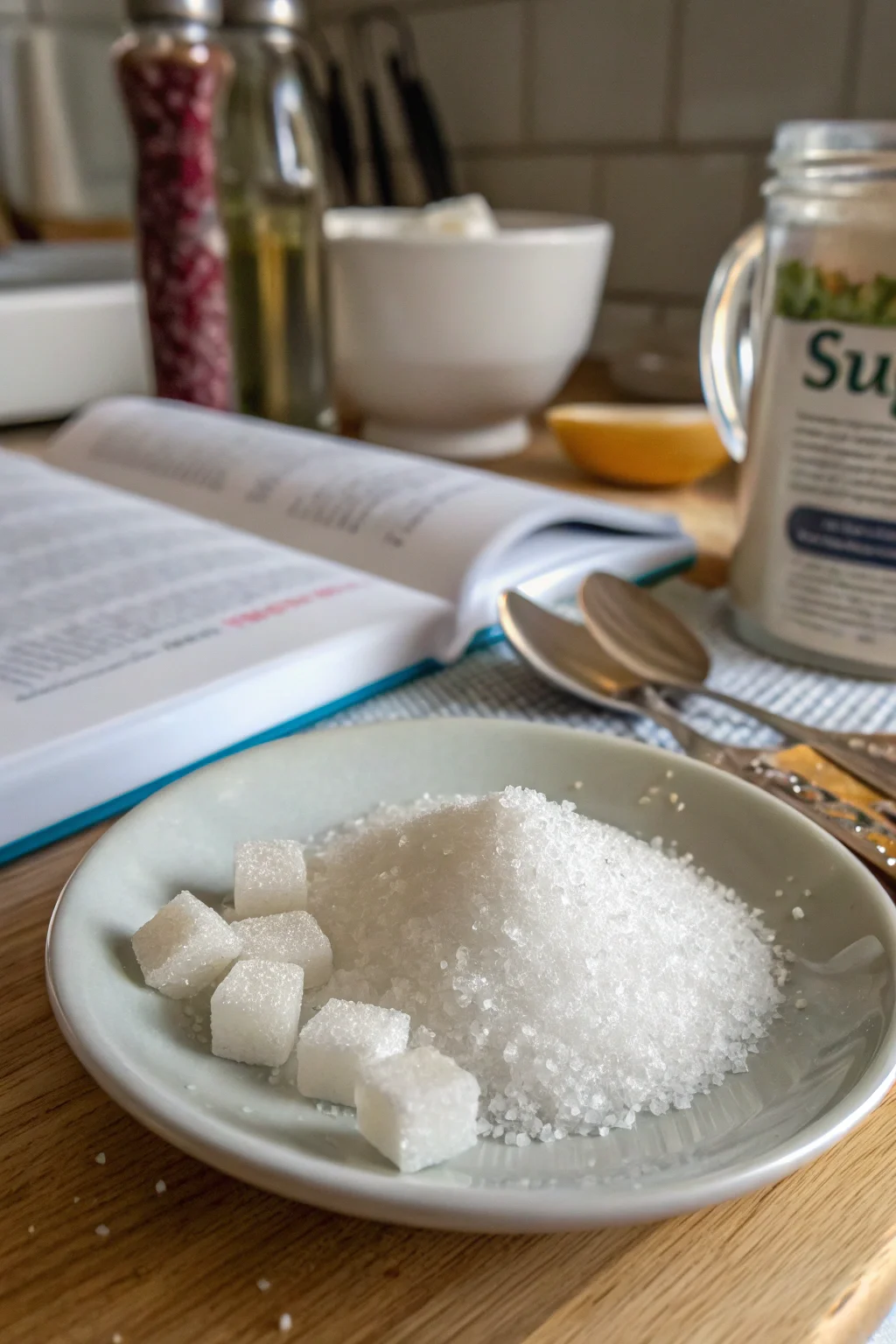
The most commonly recommended sugar for caramelizing crème brûlée is granulated white sugar. Its fine crystals allow for even melting and browning, creating a smooth, glass-like crust. Granulated sugar caramelizes quickly under a broiler or with a kitchen torch, ensuring you don’t overcook the custard beneath. This sugar is readily available, cost-effective, and provides a neutral sweetness that complements the vanilla custard perfectly without introducing any unexpected flavors. It’s particularly advantageous for beginners, as its melting properties provide a forgiving medium to work with, reducing the risk of burning.
When using granulated sugar, ensure that the layer is not too thick. A thin, even layer will caramelize more consistently and form that perfect, crackly top. If you’re new to making crème brûlée, starting with this type of sugar gives you a solid foundation to practice and perfect your technique.
Why Should You Avoid Using Powdered Sugar?
Powdered sugar is not ideal for crème brûlée because it contains cornstarch, which can prevent proper caramelization. The cornstarch might also create a cloudy or uneven finish rather than the desired crisp, clear layer. The addition of cornstarch, while helpful in some recipes to prevent clumping, interferes with the heat distribution necessary for even caramelization. Instead of forming a hard, glassy crust, the sugar may remain soft and granular, leading to a disappointing texture.
Moreover, powdered sugar tends to clump when exposed to heat, which can result in uneven browning and a lumpy appearance. This not only affects the visual appeal but can also detract from the dessert’s overall eating experience. If you’re aiming for that quintessential crème brûlée crack, it’s best to reserve powdered sugar for dusting or decoration rather than caramelization.
Can You Use Brown Sugar for Crème Brûlée?
While you can use brown sugar, it’s not the best choice for crème brûlée. Brown sugar has a higher moisture content and can result in a softer, stickier caramel layer. It also adds a molasses flavor, which may overpower the delicate vanilla notes of the custard. The presence of molasses makes brown sugar more hygroscopic, meaning it absorbs moisture from the environment, which can lead to a less crisp topping.
If you decide to experiment with brown sugar, a light hand is advised—consider blending it with granulated sugar to mitigate moisture issues. This approach can subtly enhance the flavor profile without dominating the dish. Keep in mind that the extra moisture may prolong the caramelization process, requiring a more patient, watchful eye to prevent burning.
Is Superfine Sugar a Good Option for Crème Brûlée?
Yes, superfine sugar (also known as caster sugar) is an excellent option. Its smaller crystals dissolve more quickly than regular granulated sugar, potentially allowing for even more precise caramelization. Superfine sugar is particularly useful if you’re using a broiler, where quick melting is essential. The rapid melting of superfine sugar makes it less likely to burn, offering a smoother, more uniform caramel layer.
For those who prefer a more refined finish, superfine sugar’s quick dissolving properties can enhance the aesthetic quality of the caramelization, creating a more professional-looking crust. This can be particularly advantageous in settings where presentation is key, such as dinner parties or formal occasions. The subtle grain of the sugar also means you need less of it to achieve the same sweetness level, which can be a plus if you’re looking to slightly reduce sugar content without sacrificing flavor.
What About Using Raw Sugar for Crème Brûlée?
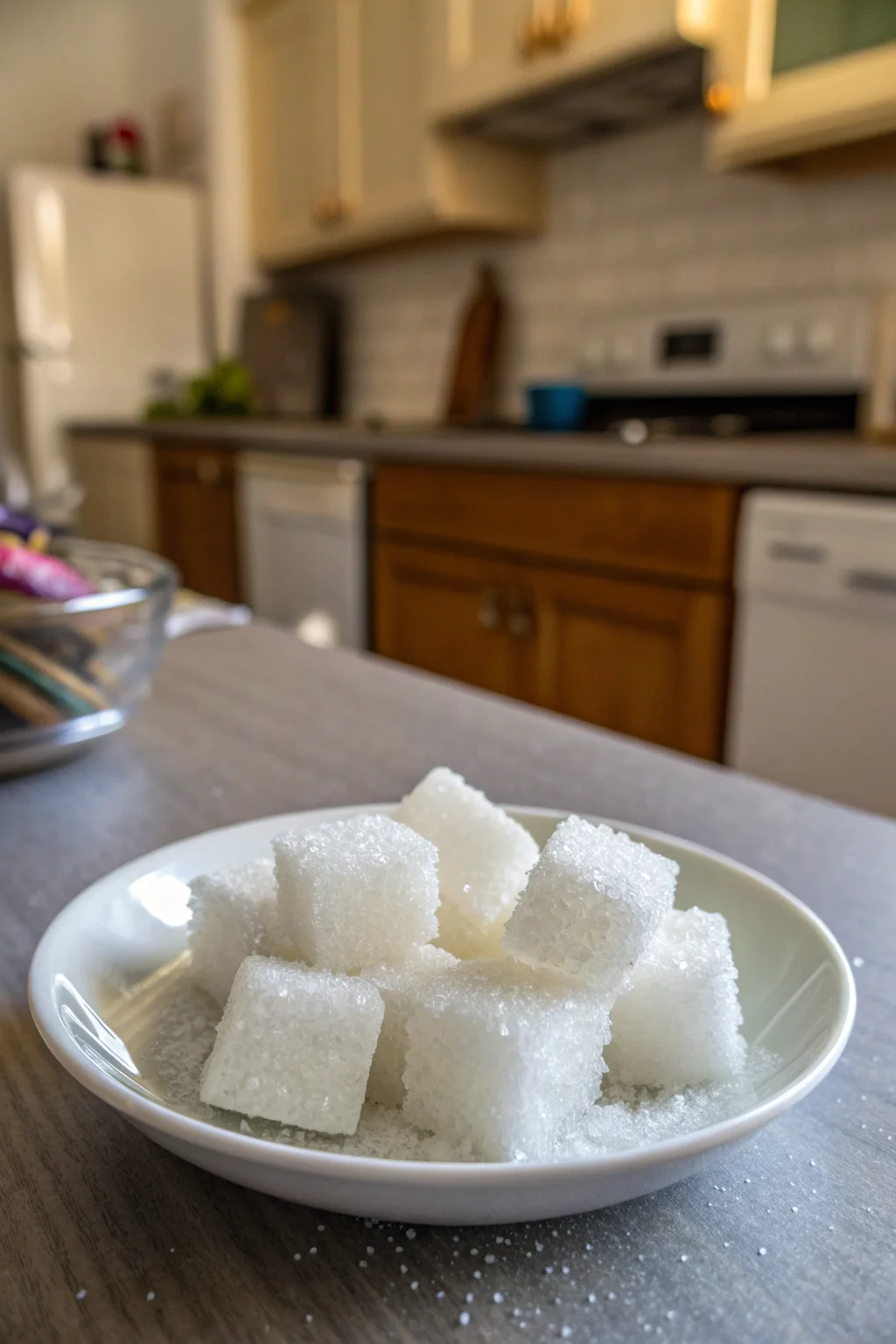
Raw sugars like turbinado or demerara can be used, but they come with some trade-offs. These sugars have larger crystals, which can create a thicker, crunchier crust. While some enjoy this texture, it’s important to watch closely as they can take longer to caramelize and may require a more powerful torch or extended broiler time. The larger crystal size can also lead to uneven heat distribution, increasing the risk of burning in some spots while leaving others under-caramelized.
When using raw sugar, it might be helpful to slightly crush the crystals before applying them to the custard. This can promote more even melting and a more consistent texture. Raw sugar naturally imparts a more complex flavor due to its minimal processing, which can complement certain variations of crème brûlée, such as those incorporating spices or citrus.
Can You Mix Different Sugars for Unique Flavor Profiles?
Mixing sugars can add interesting flavor dimensions to your crème brûlée. For instance, a small amount of brown sugar mixed with granulated sugar can introduce a subtle caramel note without overwhelming the dish. However, ensure that the majority of your mix is granulated sugar to maintain the right texture. This balance allows you to experiment with flavor without compromising the integrity of the caramel layer.
For those looking to push flavor boundaries, consider incorporating a pinch of flavored sugars, such as vanilla or cinnamon-infused sugars, into your mix. These can provide a delicate, aromatic layer that complements the custard’s flavors. Remember, moderation is key—too much variation can confuse the palate and detract from the classic simplicity that crème brûlée is known for.
How Does Sugar Choice Affect Caramelization Time?
Different sugars melt and caramelize at varying rates. Granulated and superfine sugars caramelize quickly, while raw sugars take longer due to their size and moisture content. Adjust your technique based on your sugar choice to avoid burning or under-caramelizing the surface. When using a broiler, position your ramekins at the correct distance to ensure even heat distribution.
The choice of sugar not only affects time but also the end result’s texture and color. Superfine sugar might yield a lighter, more delicate crust, whereas raw sugars can create a darker, more robust caramel. Understanding these dynamics allows you to tailor your approach, ensuring the final product aligns with your taste and presentation goals.
What Tools Are Best for Caramelizing Sugar?
Using a kitchen torch is the preferred method for caramelizing sugar on crème brûlée. Torches offer precise control over the heat, allowing you to evenly caramelize the surface without affecting the custard. A broiler can also work, but it requires careful monitoring to prevent uneven browning. When using a torch, move it in a circular motion to avoid burning one spot.
Investing in a good quality, adjustable kitchen torch can make a significant difference, providing better control over flame size and intensity. This flexibility is crucial when working with different sugar types, as it allows for adjustments in heat application to accommodate varying melting points.
Are There Any Sugar Alternatives for Crème Brûlée?
For those avoiding refined sugars, consider using a natural sweetener like coconut sugar. However, be aware that these alternatives may alter the flavor and texture of the caramel layer. Coconut sugar, for instance, brings a rich, caramel-like flavor of its own, which can be appealing in certain recipes but may not suit everyone’s taste for traditional crème brûlée.
When using alternatives, it’s crucial to conduct small test batches first. This experimentation helps to identify the ideal proportions and techniques needed to achieve satisfactory results without wasting ingredients. Other alternatives like maple sugar or date sugar can also be explored, keeping in mind that each will contribute unique flavors and potentially different caramelization properties.
What Are Common Mistakes When Caramelizing Sugar?
- Using the wrong sugar: Stick to granulated or superfine sugar for best results.
- Uneven sugar layer: Ensure an even distribution across the custard’s surface.
- Over-caramelizing: Keep a close eye to prevent burning, especially with broilers. It’s easy to become distracted during this crucial step, so stay attentive to achieve that perfect golden-brown crust.
Another common mistake is failing to allow the custard to chill sufficiently before caramelizing. A well-chilled custard helps prevent the heat from the caramelization process from penetrating too deeply, which can lead to an undesirable texture contrast between the warm top and the cool custard beneath.
How Can You Achieve an Even Sugar Layer?
To achieve an even sugar layer, sprinkle the sugar evenly over the chilled custard using a fine-mesh sieve or your hands. Tap the ramekin gently to distribute the sugar uniformly. This step ensures a consistent thickness across the surface, which is crucial for even caramelization.
For added precision, consider using a small offset spatula to gently spread the sugar after it’s been sprinkled. This technique can help smooth out any clumps or uneven areas, setting the stage for a flawless caramel crust.
Can the Type of Sugar Affect the Custard?
The type of sugar primarily affects the caramel layer, not the custard. However, using sugars with strong flavors, like brown sugar, can subtly influence the overall taste experience. It’s important to consider the harmony between the custard’s flavors and the sugar’s characteristics to achieve a balanced dessert.
If incorporating flavored or alternative sugars, it might be beneficial to taste the custard before caramelizing. This practice ensures that the flavors complement each other and that the sugar’s influence doesn’t overshadow the delicate notes of vanilla or other additions.
Should You Refrigerate Crème Brûlée After Caramelizing?
It’s best to serve crème brûlée immediately after caramelizing to enjoy the contrast between the warm, crispy top and the cold, creamy custard. If you must refrigerate, note that the sugar crust may soften over time. To mitigate this, consider caramelizing just before serving whenever possible.
If you find yourself needing to prepare ahead, one strategy is to caramelize the sugar, then briefly rechill the dessert before serving to maintain a satisfactory texture. However, this method is a compromise and should be used sparingly to preserve the dessert’s integrity.
Wrap-Up
Choosing the right sugar for your crème brûlée can elevate your dessert from good to spectacular. Granulated and superfine sugars are top choices for their ability to caramelize evenly and quickly. Remember to consider your tools and techniques to achieve the perfect crackly top every time. For more baking tips, check out our guide on essential baking tools or explore other classic French desserts.
For further reading, visit The Spruce Eats or Serious Eats for more culinary insights.