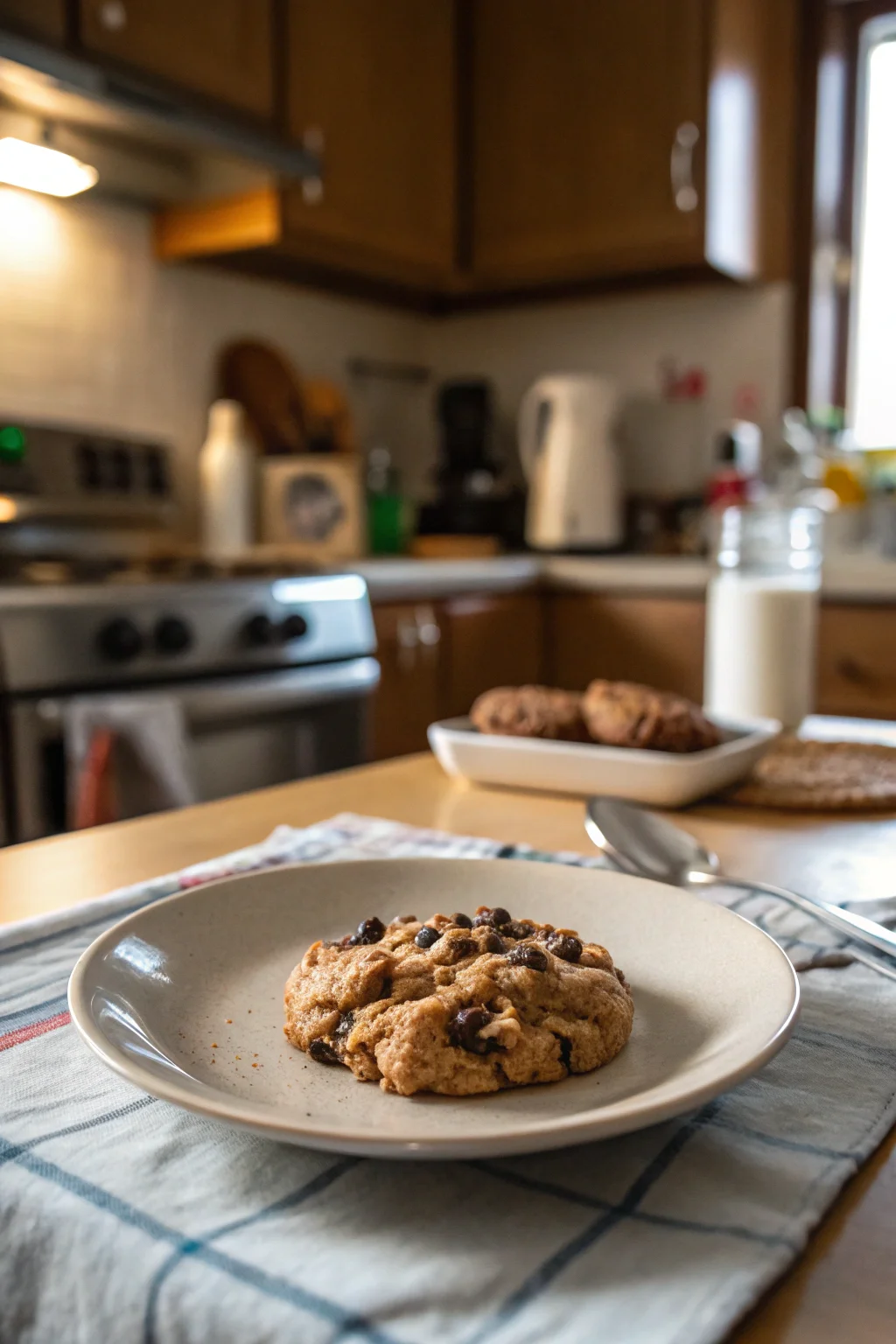
Baking can be a delightful experience, but choosing the right mix for your treat can sometimes be confusing. If you’ve ever wondered about the difference between a cookie mix and a cake mix, you’re not alone! This complete guide will help you understand the key distinctions, ingredients, and best uses of each mix. Whether you’re a beginner or a seasoned baker, this article will provide clarity and enhance your baking skills.
What Ingredients Are Typically Found in Cookie Mixes?
Cookie mixes usually contain a blend of flour, sugar, baking soda, and a fat source like butter or shortening. They may also include add-ins such as chocolate chips, nuts, or dried fruits. The main goal of a cookie mix is to create a dough that can hold its shape while baking, resulting in a chewy or crunchy texture.
Common Ingredients:
- Flour: Provides structure, with all-purpose flour being the most commonly used because it balances protein content, which affects the chewiness and spread of the cookie.
- Sugar: Adds sweetness and aids in browning. The type of sugar used can alter the texture; for instance, brown sugar tends to make cookies chewier, whereas white sugar can make them crisper.
- Baking Soda: Acts as a leavening agent, which helps cookies rise slightly and also spreads them out. It reacts with acidic ingredients, so the type of sugar and other components can affect the outcome.
- Fat (Butter/Shortening): Adds richness and affects texture. Butter brings a rich flavor and can lead to a crispier edge, while shortening can make cookies softer and thicker.
For more detailed baking tips, check out our Ultimate Cookie Baking Guide.
What Ingredients Are Typically Found in Cake Mixes?
Cake mixes generally include flour, sugar, a leavening agent like baking powder, and powdered milk or eggs. Unlike cookie mixes, cake mixes are designed to create a batter that rises and becomes fluffy.
Typical Ingredients:
- Flour: Provides structure, with cake flour often being used due to its lower protein content, which creates a finer, softer crumb.
- Sugar: Adds sweetness and also helps to retain moisture, which is crucial in creating a tender cake.
- Baking Powder: Helps the cake rise by releasing carbon dioxide when mixed with liquid and heat, ensuring the cake is airy and light.
- Milk/Egg Powder: Adds moisture and richness, providing the necessary fat and liquid to bind ingredients and add flavor.
If you’re looking for cake decorating ideas, visit our Cake Decorating Tips.
How Does the Texture Differ Between Cookies and Cakes?
Cookies generally have a denser and more solid texture compared to cakes. This is due to the lower liquid content and higher fat ratio in cookie dough.
Texture Characteristics:
- Cookies: Chewy or crunchy, depending on the recipe and specific ingredients like the type of flour, sugar, and fat used. The baking time and temperature can also significantly impact the final texture.
- Cakes: Light, fluffy, and airy, achieved by the specific balance of ingredients and the method of mixing, which incorporates air into the batter.
The texture difference is also influenced by the mixing method. Cakes require more aeration, which contributes to their softness. The creaming of butter and sugar in cookies introduces air pockets, but to a lesser extent than cake batter, affecting the density.
Why Do Cookie Mixes Have More Fat Than Cake Mixes?
Fat plays a crucial role in cookie mixes by adding richness and affecting the texture. More fat results in a softer and chewier cookie. In contrast, cakes rely on other ingredients like eggs to maintain moistness while remaining light.
Fat Functions in Baking:
- Cookies: Enhances flavor and texture. The type and amount of fat can significantly impact the spread and rise of cookies. Butter, for example, melts at a lower temperature than shortening, leading to a wider spread.
- Cakes: Contributes to tenderness without weighing down the batter. The balance of fat with other liquid ingredients helps create a stable yet light batter.
The choice of fat in cookies and cakes is crucial. For cookies, fats like butter can create a rich, flavorful dough that melts quickly in the oven, affecting the cookie’s shape. For cakes, the fat must be balanced with other ingredients to avoid a greasy crumb while ensuring the cake remains tender and moist.
Can You Use a Cookie Mix to Make a Cake?
While you can experiment with using a cookie mix to make a cake, the results may not be optimal. The texture will likely be denser than a traditional cake due to the higher fat content in cookie mixes.
Tips for Experimenting:
- Add more liquid (milk or water) to the mix to create a batter-like consistency. Start with small additions to avoid making the batter too runny.
- Increase leavening agents to help it rise. Adding a teaspoon of baking powder can assist in getting a better lift.
- Be prepared for a denser texture, as the base ingredients are not designed for the lightness of a cake. Also, consider reducing the baking temperature slightly to ensure the inside cooks through without over-browning the outside.
For more baking experiments, explore Creative Baking Ideas.
Can You Use a Cake Mix to Make Cookies?
Yes, cake mixes can be used to make cookies! These cookies often turn out soft and cake-like, with a light, fluffy texture.
Steps to Convert Cake Mix to Cookies:
- Use less liquid than the cake recipe calls for. Usually, the liquid can be reduced by half to create a dough instead of a batter.
- Add an extra egg for binding, which helps maintain the structure of the cookies.
- Adjust baking time as cookies bake faster. Start checking for doneness around 8 minutes to prevent over-baking.
This conversion is particularly useful for creating soft and thick cookies with a cake-like interior. You can also play with flavorings by adding extracts, spices, or mix-ins like chocolate chips.
For more details on converting mixes, visit Betty Crocker’s Guide.
What Role Do Leavening Agents Play in Cake and Cookie Mixes?
Leavening agents like baking soda and baking powder are crucial for both cookies and cakes, but they serve different purposes.
In Cookies:
- Baking Soda: Reacts with acidic ingredients to help cookies spread and brown. It’s a single-acting agent that starts reacting as soon as it meets moisture, so bake cookies promptly after mixing to maximize its effectiveness.
In Cakes:
- Baking Powder: Provides a consistent rise, resulting in a fluffy texture. It’s double-acting, releasing carbon dioxide when mixed and again during baking, which helps cakes rise more uniformly and remain stable.
Understanding these roles can help you make adjustments in your recipes as needed. For instance, if your cookies are not spreading enough, it might be due to insufficient baking soda or a lack of acidity in the dough to react with it.
How Do Baking Times Differ for Cookies and Cakes?
Cookies typically require a shorter baking time compared to cakes, given their smaller size and the need for a different texture.
Baking Time:
- Cookies: 8-12 minutes, depending on size and thickness. Always preheat your oven to ensure even baking, and use a baking sheet with parchment paper to prevent sticking.
- Cakes: 25-35 minutes, varying by cake size and type. To ensure even baking, rotate the cake halfway through the baking time, and use the toothpick test to check for doneness.
Always check for doneness using a toothpick for cakes and visual cues for cookies, such as golden edges and a slightly firm center.
How Does Mixing Method Affect Cookies and Cakes?
The mixing method is crucial in determining the final texture of your baked goods.
Cookies:
- Creaming Method: Helps create a light, airy texture by incorporating air into the fat. Properly creamed butter and sugar should appear fluffy and light in color before adding other ingredients.
Cakes:
- Whisking or Folding: Ensures a delicate and even crumb. Over-mixing can develop gluten, leading to a denser cake, so gently fold wet and dry ingredients together until just combined.
For more on baking techniques, see Baking Basics.
Are There Gluten-Free Options for Both Mixes?
Yes, gluten-free options are available for both cookie and cake mixes. These mixes often use alternative flours like almond or coconut flour, or gluten-free all-purpose flour blends.
Considerations:
- Texture: May differ from gluten-containing mixes, often resulting in a denser crumb or different chewiness.
- Flavor: Can vary depending on the flour used, with some alternatives adding a distinct nutty or sweet taste.
It’s important to follow the package instructions closely, as gluten-free baking can sometimes require additional steps or ingredients to achieve the desired texture and rise.
For more on gluten-free baking, check out Celiac Disease Foundation.
How Can You Add Personal Touches to Premade Mixes?
Adding extras to a premade mix can elevate your baked goods and make them uniquely yours.
Ideas for Cookies:
- Add nuts, dried fruits, or spices like cinnamon or nutmeg to enhance the flavor profile.
- Consider adding a sprinkle of sea salt on top before baking for an added depth of flavor.
Ideas for Cakes:
- Include extracts like vanilla, almond, or citrus zest to infuse additional flavors.
- Layer fillings such as fruit preserves, chocolate ganache, or whipped cream for complexity.
Experimenting with these additions can make your treats unique. Adjust the baking time accordingly if you add wet ingredients or heavy mix-ins to ensure even cooking.
What Are Some Tips for Storing Each Type of Baked Good?
Proper storage is key to maintaining the freshness and quality of your baked goods.
Cookies:
- Store in an airtight container to keep them crunchy or chewy. Adding a slice of bread to the container can help maintain moisture levels for soft cookies.
- For longer storage, freeze cookies in an airtight bag, separating layers with parchment paper to prevent sticking.
Cakes:
- Keep cakes covered to prevent them from drying out, and refrigerate if they contain perishable ingredients like cream cheese frosting or fresh fruit.
- If freezing, wrap the cake tightly in plastic wrap, then foil, to prevent freezer burn. Thaw in the refrigerator or at room temperature before serving.
For more storage tips, explore Food Storage Tips.
Wrap-Up
Understanding the differences between cookie and cake mixes can empower you to make better baking choices. From ingredients to mixing methods, each aspect plays a role in the final product. Whether you’re making a quick batch of cookies or an elaborate cake, these insights will help you achieve the best results. Happy baking!