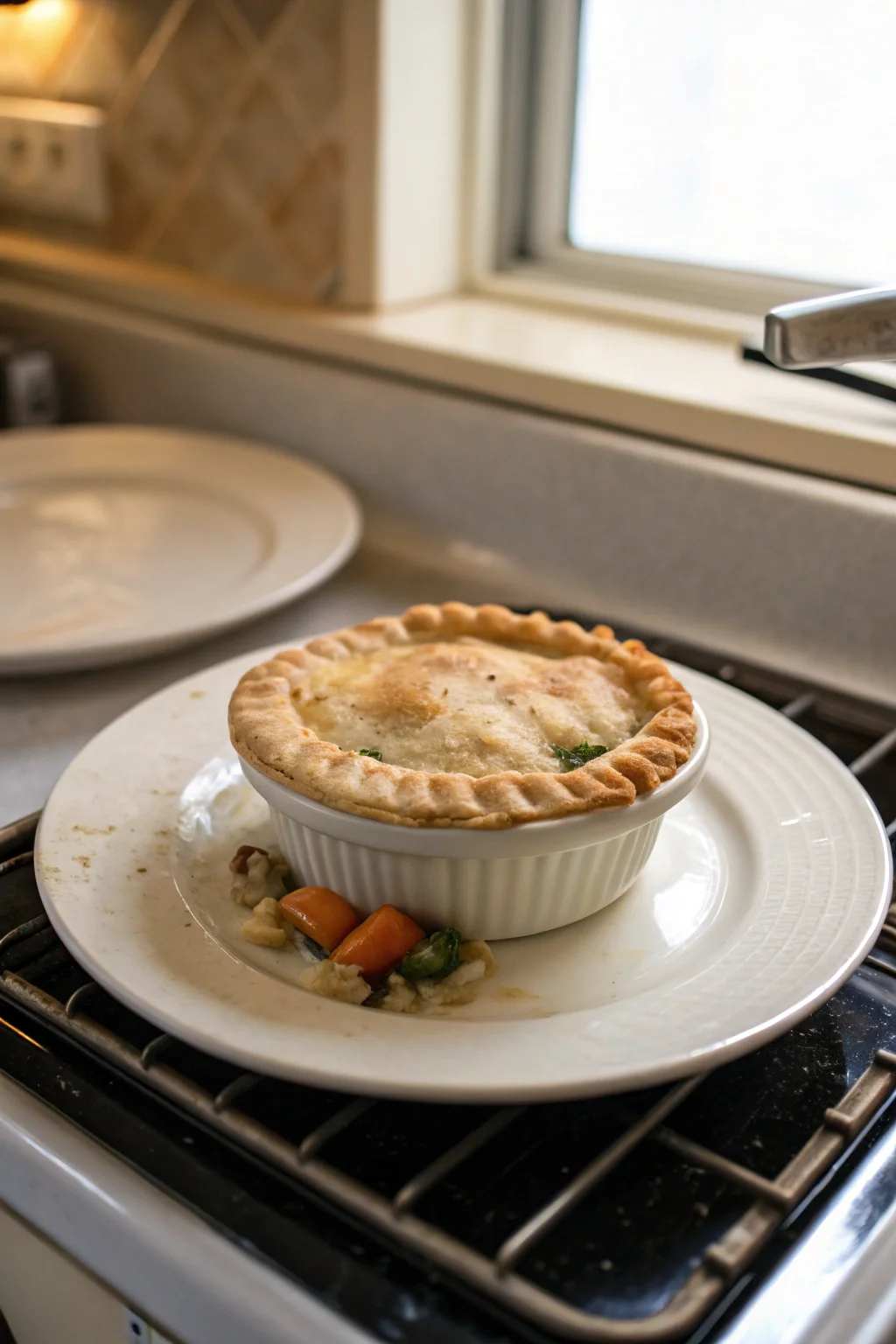
Pot pies are a comforting, delicious meal, but sometimes they can turn out less than perfect. A common issue many people encounter is a soggy bottom crust. In this guide, we’ll explore the reasons behind a soggy pot pie bottom and provide practical solutions to ensure your next pot pie comes out perfectly crispy and delicious.
What Causes a Soggy Bottom in Pot Pies?
A soggy bottom crust in pot pies can result from several factors, such as excess moisture and incorrect baking techniques. Understanding these causes is the first step toward achieving a perfectly cooked pot pie.
Excess Filling Liquid: Too much liquid in the filling can seep into the crust, making it soggy. This often happens when vegetables release water as they cook or when there is an imbalance in the sauce’s consistency. For example, using too much broth or not allowing your sauce to reduce properly can lead to a watery filling. It’s essential to achieve the right viscosity—thick enough to hold together without being gelatinous. Consider thickening agents like arrowroot or tapioca flour for a gluten-free option. These alternatives can provide a smooth consistency without altering the flavor.
Undercooked Crust: If the crust isn’t pre-baked, it might not cook fully during the main baking period. Blind baking the crust partially helps set its structure, reducing the chances of it absorbing excess moisture from the filling. Moreover, a well-prepared crust should have visible layers of fat, which create a barrier against moisture. Techniques like laminating your dough, which involves folding layers of butter into the dough, can enhance the crust’s structure and taste.
Incorrect Oven Temperature: An oven that’s too cool won’t properly crisp the crust. Checking your oven’s accuracy with an oven thermometer can save you from this common pitfall. Baking at an inappropriate temperature can prevent the Maillard reaction from occurring, which is essential for a crispy, browned crust. Consider factors like altitude and humidity, which can subtly affect baking times and temperatures. Adjusting accordingly can prevent a soggy crust.
How Can I Prevent Excess Moisture in the Filling?
Preventing moisture from ruining your pot pie starts with the filling. Here’s how you can control it:
Thicken the Filling: Use flour or cornstarch to thicken the filling before adding it to the crust. When using flour, cook it in the fat of your sauce to form a roux, which will thicken as it cooks. Cornstarch should be mixed with a bit of cold liquid to form a slurry before being incorporated. Stirring constantly will help you achieve a smooth, thick sauce. Experiment with reducing liquids by simmering your sauce longer, which naturally concentrates flavors and thickens the mixture without additional starch.
Drain Ingredients: Pre-cook and drain vegetables and meats to remove excess moisture. For instance, sauté mushrooms until they release their juices, then continue cooking until the liquid evaporates. This technique concentrates flavors and reduces unwanted moisture. Similarly, browning meat before adding it to the pie can help reduce juices that might otherwise run into the crust. Opt for lean cuts of meat and consider marinating them to enhance flavor without adding excess liquid.
Cool the Filling: Let the filling cool before adding it to the crust to prevent steam from making the crust soggy. Transfer the filling to a shallow dish to speed up the cooling process. By ensuring the filling is not steaming hot, you allow the crust to remain crisp and intact. Stir the filling occasionally during cooling to help it release heat faster and prevent uneven cooling, which could create pockets of steam.
Should I Pre-Bake the Bottom Crust?
Pre-baking, or “blind baking,” can help achieve a crispy crust:
Use Pie Weights: Pre-bake the crust with pie weights to prevent it from puffing up. Pie weights can be ceramic balls, dried beans, or even rice. Line the crust with parchment paper before adding weights, ensuring that the weight is evenly distributed. A tip for reusable pie weights is to use metal chains or small stones. These alternatives are easy to clean and store.
Partial Bake: Bake the crust for 10–15 minutes before adding the filling. This partial bake sets the crust’s structure, creating a moisture-resistant layer that maintains its crispness even after the filling is added. If you’re making a large pot pie, consider extending the blind baking time slightly to ensure the bottom is thoroughly cooked.
Shield the Edges: Use foil to protect the edges of the crust from burning while the bottom crisps. A simple strip of foil or a pie shield can prevent over-browning, allowing you to focus on achieving a perfect bottom crust. Make sure the shield fits well to avoid unnecessary exposure of the crust’s edges to direct heat.
Is the Type of Pie Dish Important?
The type of dish you use can affect the crust’s texture:
Glass or Ceramic Dishes: These materials distribute heat evenly, helping the bottom crust cook more thoroughly. Their transparency also allows you to monitor the crust’s browning, giving you visual cues to adjust baking time as needed. Look for tempered glass dishes, which can withstand temperature changes better than regular glass.
Metal Pans: They conduct heat well and can lead to a crispier bottom. Opt for dull-finished metal over shiny ones, as the latter can reflect heat away, affecting the crust’s cooking. Anodized aluminum pans are particularly effective, as they offer even heat distribution without sticking.
Avoid Nonstick: Nonstick pans can make it harder to achieve a crispy crust. Nonstick coatings often insulate rather than conduct heat, leading to a less crisp finish. Additionally, the risk of scratching the surface can deter thorough cleaning, which might affect subsequent bakes. If using a nonstick pan is necessary, ensure it’s in good condition and avoid using metal utensils that could damage the coating.
What Role Does Oven Temperature Play?
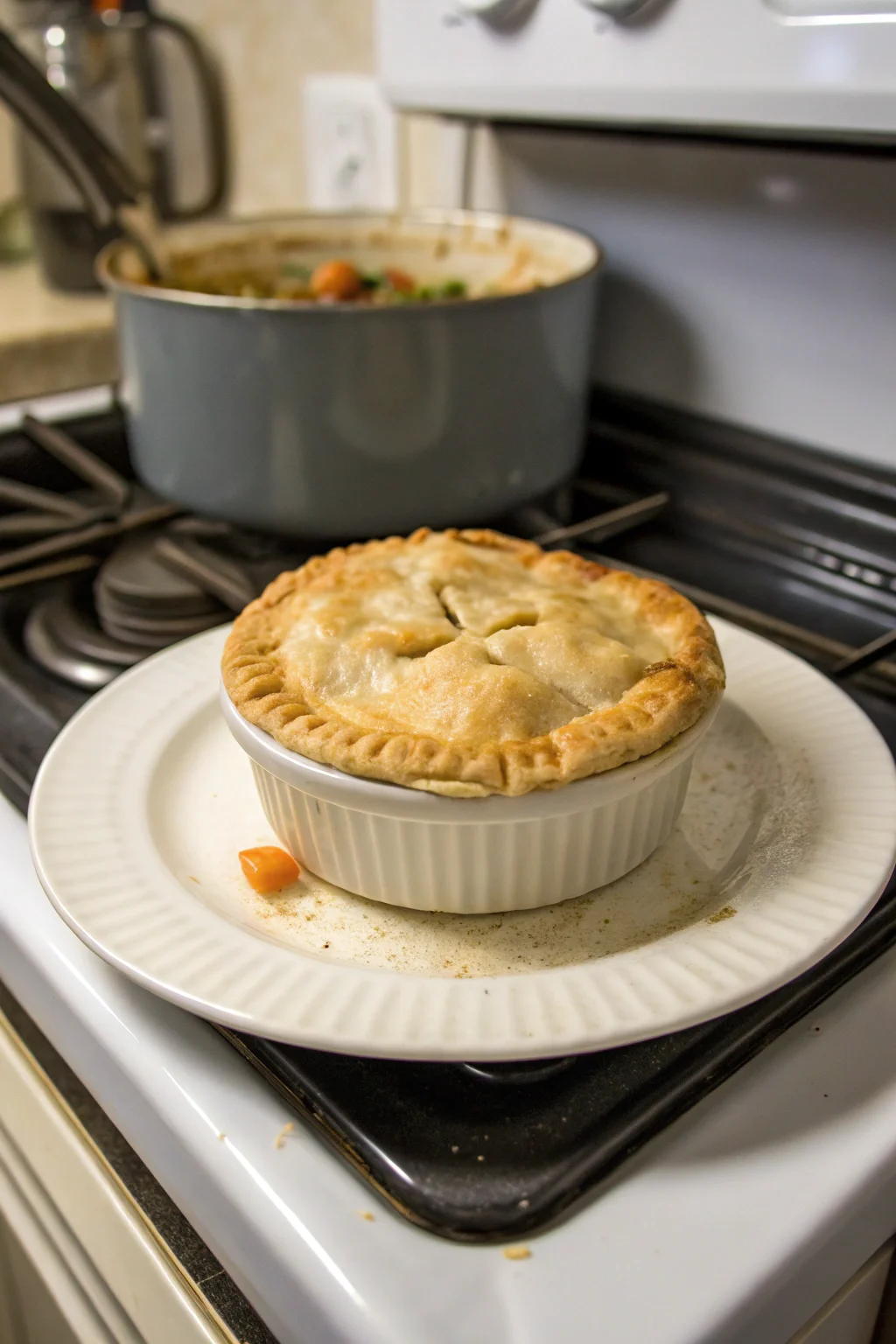
The right oven temperature is crucial:
Preheat Properly: Ensure your oven is fully preheated to the correct temperature before baking. Preheating is non-negotiable, as it ensures even cooking from the moment the pie enters the oven. Consider setting your oven to a slightly higher temperature for preheating and then lower it as you place the pie inside to maintain consistent heat.
Hotter Oven: Consider baking at a slightly higher temperature, like 400°F, to help the crust set quickly. A higher initial temperature can encourage a rapid rise in the dough, creating a barrier against moisture. Exercise caution with higher temperatures, as they can also increase the risk of burning if not monitored closely.
Even Heat: Use an oven thermometer to ensure accurate temperature settings. Regularly calibrating your oven can prevent inconsistent baking results, a common challenge in older ovens. Performing a simple calibration test with sugar, which melts at 366°F, can help confirm accuracy if you suspect your oven’s thermostat is off.
How Can I Use Egg Wash or Milk Wash?
Applying a wash can create a barrier that helps prevent sogginess:
Egg Wash: Brush a beaten egg on the crust before baking for a golden, crispy finish. The proteins in the egg wash form a seal over the dough, protecting it from moisture. For a deeper color, add a pinch of salt or sugar to the egg wash. Experiment with whole eggs or just yolks for varying degrees of shine and color.
Milk Wash: For a softer sheen, use milk instead of egg. The sugars in milk can aid in browning, offering a subtle sweetness to the crust. Experimenting with cream can yield an even richer color and texture. A combination of milk and egg can also be used for a balance of color and crispness.
Can I Use Different Baking Techniques?
Experimenting with baking techniques can yield a better crust:
Bottom Rack: Place the pie on a lower oven rack to allow the bottom to cook more thoroughly. Positioning the pie closer to the heat source encourages a crisp bottom crust, benefiting from the direct heat. For an even bake, rotate the pie halfway through the cooking process.
Convection Setting: If your oven has this feature, it can help circulate heat more evenly. Convection ovens maintain a consistent environment, reducing hot spots and uneven cooking, which can be particularly useful for large pot pies. Adjust the temperature by reducing it by 25°F if switching from conventional to convection settings.
Should I Adjust the Baking Time?
Adjusting your baking time can help ensure a fully cooked crust:
Check Early: Begin checking the pie 5–10 minutes before it should be done. Visual and olfactory cues can indicate readiness, such as a deep golden crust and bubbling filling. Trust your senses—if it looks and smells ready, it likely is.
Longer Bake: If the crust isn’t crispy, extend the bake time by 5-minute increments. Be vigilant to avoid over-baking, which can lead to a dry filling or overly dark crust. If necessary, cover the edges with foil to prevent them from over-browning while the bottom continues to crisp.
What Ingredients Can Help Reduce Sogginess?
Certain ingredients can naturally absorb moisture:
Bread Crumbs: Sprinkle a layer on the bottom crust before adding the filling. This technique acts as a barrier, absorbing liquid without altering the pot pie’s flavor. Choose seasoned breadcrumbs for an added flavor dimension. Consider using panko for a lighter texture or crushed crackers for additional taste.
Cornmeal: A thin layer can help soak up excess moisture. Cornmeal provides a subtle texture contrast, enhancing the overall experience without overpowering the main ingredients. Try using polenta for a coarser texture that adds a delightful crunch to each bite.
Are There Any Quick Fixes for a Soggy Bottom?
If you already have a soggy crust, try these fixes:
Reheat: Place the pie back in the oven at 350°F for 10 minutes to dry out the bottom. This technique can help evaporate some of the absorbed moisture, improving the texture. Be cautious not to dry out the filling, and monitor closely to prevent over-browning.
Air Fryer: If you have one, try a few minutes in the air fryer to crisp up the bottom. The rapid circulation of hot air can quickly dry out and crisp the crust, revitalizing your pot pie. Ensure the pie fits comfortably and isn’t too close to the air fryer’s heating element.
Can Using a Baking Stone Help?
A baking stone can improve crust texture:
Preheat Stone: Place the stone in the oven during preheating to absorb and distribute heat evenly. This method mimics a professional baking environment, promoting a uniformly crisp crust. Ensure the stone is placed on the lower rack for optimal heat exposure.
Place Pie on Stone: The direct heat can help the bottom crust cook more thoroughly. Ensure the pie is centered on the stone to benefit from its even heat distribution. Allow the stone to cool gradually after baking to prevent cracking.
How Does the Filling’s Temperature Affect the Crust?
The temperature of your filling can impact the crust:
Room Temperature: Allow the filling to cool to room temperature to prevent steaming the crust. A cooler filling prevents the fats in the crust from melting too quickly, preserving its structure. Cooling also allows the flavors to blend, enhancing the overall taste of the pot pie.
Avoid Hot Fillings: Hot fillings can cause the butter in the crust to melt too quickly, leading to sogginess. Cooling the filling also allows flavors to meld, enhancing the overall taste. Consider making the filling ahead of time and refrigerating it to ensure it’s sufficiently cool before assembling the pie.
Wrap-Up
Avoiding a soggy bottom crust in your pot pie involves careful attention to ingredients, preparation, and baking techniques. With these tips, you’ll be able to enjoy a perfectly crispy pot pie every time. For more delicious baking tips, check out our Guide to Perfect Pie Crusts or explore Cooking Basics Every Home Chef Should Know. For further reading, consider looking at resources like Serious Eats for in-depth cooking techniques. Happy baking!